
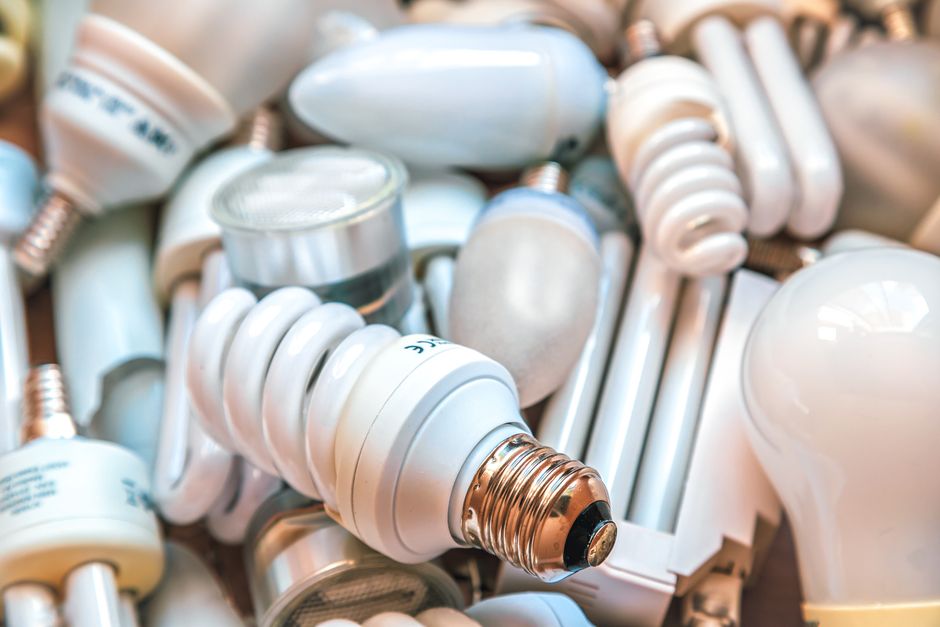
UV light bulbs are a specific type of bulb that produces ultraviolet light, not the visible light you use to read or cook by. These bulbs serve very targeted purposes like disinfecting surfaces, curing certain materials, and creating special effects. While they are effective tools, they also come with real safety risks that many people do not fully understand. This guide explains the different types of UV bulbs, what they are actually used for, and how to stay safe around them.
What exactly is a UV light bulb?
A UV light bulb is an artificial source of ultraviolet radiation. Unlike standard incandescent or LED bulbs that produce mostly visible light, UV bulbs are designed to emit energy in the ultraviolet spectrum. This spectrum sits just beyond visible violet light on the electromagnetic scale.
There are three main bands of UV radiation. UVA has the longest wavelength and is closest to visible light. UVB has a medium wavelength and is responsible for sunburns. UVC has the shortest wavelength and is the most energetic. Most UV bulbs used for disinfection produce UVC light.
The United States Food and Drug Administration (FDA) regulates UV light products that make health claims. The Environmental Protection Agency (EPA) also registers certain UV devices as pesticide devices when they claim to kill germs. These regulations exist because UV light can be dangerous if used incorrectly.
What are the different types of UV light bulbs?
UV bulbs come in several distinct types, each suited for different jobs. Knowing the difference matters for both effectiveness and safety.
Low-pressure mercury lamps are the most common type for disinfection. They work like standard fluorescent tubes but without the phosphor coating that converts UV into visible light. These bulbs produce strong UVC light at 254 nanometers, which is very effective at killing bacteria and viruses. Hospitals and water treatment plants use these regularly.
LED UV bulbs are newer and becoming more popular. They use semiconductors to produce UV light. LED UV bulbs tend to be smaller, more energy-efficient, and last longer than mercury lamps. However, they often produce less intense light. You will find these in portable sterilizers and some water bottles that claim to clean themselves.
Blacklight bulbs are a different category entirely. They produce mostly UVA light with very little visible light. You see these at concerts, in nightclubs, and for detecting counterfeit money or pet stains. Blacklights are generally safer than UVC bulbs but still require caution with eye exposure.
Fluorescent UV bulbs look like regular fluorescent tubes but are designed to emit more UV. Tanning beds use these bulbs. They produce mostly UVA and some UVB. The World Health Organization classifies tanning beds as carcinogenic to humans, so these bulbs carry serious health warnings.
Here is a quick comparison of the main types:
| Bulb Type | UV Band | Primary Use | Relative Risk |
|---|---|---|---|
| Low-pressure mercury | UVC | Disinfection | High |
| LED UV | UVA or UVC | Portable disinfection | Moderate to high |
| Blacklight | UVA | Effects, detection | Low to moderate |
| Tanning bed fluorescent | UVA/UVB | Tanning | High |
What are the real uses of UV light bulbs?
UV bulbs are not for lighting your home. Their uses are very specific and often technical.
Disinfection and sterilization is the most common use. Research published in the American Journal of Infection Control shows that UVC light can inactivate up to 99.9 percent of certain bacteria and viruses on hard surfaces. Hospitals use UV robots to clean patient rooms. Water treatment facilities use UV to kill pathogens without adding chemicals. Some portable devices claim to sanitize phones and keys, though their effectiveness varies widely.
Curing and hardening is another major use. UV bulbs cure adhesives, inks, and coatings instantly. Nail salons use UV lamps to dry gel polish. Dental offices use UV to harden fillings. Manufacturers use it to cure coatings on electronics and automotive parts. This process is fast and reliable, which is why industry relies on it.
Detection and inspection uses UVA blacklights. Law enforcement uses them to find bodily fluids at crime scenes. Mechanics use them to detect leaks in air conditioning systems by adding fluorescent dye. Museums use UV to examine artwork for repairs or forgeries.
Phototherapy is a medical use under strict supervision. Dermatologists sometimes use narrowband UVB bulbs to treat psoriasis, eczema, and vitiligo. This is done in controlled doses with medical oversight. Never attempt phototherapy at home with commercial bulbs.
Some people report using UV bulbs to grow plants indoors. This is widely claimed though strong evidence is limited for standard UV bulbs. Most indoor plants need specific wavelengths in the visible and red spectrum, not UV. Dedicated grow lights are a better choice for plants.




What are the safety risks of UV light bulbs?
UV light can damage living tissue. This is not a theory. It is well-established in medical literature.
Eye damage is the most immediate risk. UVC exposure can cause photokeratitis, which is essentially a sunburn on the surface of your eye. Symptoms include pain, redness, tearing, and a feeling of sand in the eyes. This usually resolves within a day or two but is very unpleasant. Longer exposure to UVA and UVB increases the risk of cataracts and macular degeneration over time.
Skin damage is equally serious. UVC can cause erythema, which is a reddening of the skin similar to sunburn. Repeated exposure to any UV band increases the risk of skin cancer. The American Academy of Dermatology states that UV radiation from artificial sources is a known cause of skin cancer.
Ozone production is a less known risk. Some UV bulbs, particularly those with wavelengths below 240 nanometers, produce ozone as a byproduct. Ozone is a lung irritant. Breathing it in can cause coughing, chest tightness, and shortness of breath. Check the specifications of any UV bulb before purchase.
Mercury content is a concern with low-pressure mercury lamps. These bulbs contain small amounts of mercury, which is toxic. If the bulb breaks, you need to handle cleanup carefully. Never vacuum a broken UV bulb. Open windows, leave the room for 15 minutes, and follow EPA guidelines for mercury cleanup.
As of 2026, there is no clinical evidence that brief, accidental exposure to a standard UV bulb causes permanent damage. However, repeated or prolonged exposure without protection is dangerous. The risk is real and cumulative.
How do you use UV bulbs safely?
Safety with UV bulbs is straightforward but requires discipline. The rules are not complicated, but people ignore them often.
Never look directly at an operating UV bulb. This includes the reflection off surfaces. Even brief exposure can cause eye pain. Use UV-blocking safety glasses rated for the specific wavelength of your bulb. Regular sunglasses do not block UVC.
Cover your skin. Wear long sleeves, pants, and gloves when working near an active UV bulb. Sunscreen is not reliable protection against UVC. Physical barriers are the only safe option.
Use timers and motion sensors. Many commercial UV disinfection devices include automatic shutoffs if someone enters the room. If you are using a UV bulb manually, set a timer and leave the room while it operates. Do not rely on your memory.
Ventilate the area. If your bulb produces ozone, use it in a well-ventilated space or only when the room is unoccupied. Let the room air out before reentering.
Read the manufacturer specifications. Not all UV bulbs are the same. Check the wavelength, power output, and safety certifications. Look for products that comply with FDA or EPA standards. Avoid cheap bulbs from unknown sellers that make vague claims.
Here are practical steps to follow:
- Buy UV bulbs only from reputable manufacturers with clear labeling
- Use UV-rated eyewear and gloves every time
- Operate bulbs in unoccupied rooms when possible
- Keep bulbs out of reach of children and pets
- Dispose of broken or expired bulbs according to local hazardous waste rules
What common misconceptions exist about UV light bulbs?
Misinformation about UV bulbs spreads quickly online. Some myths are harmless. Others can lead to injury.
Myth: UV bulbs can disinfect your entire home. This is not true. UVC light works only on surfaces it directly hits. Shadows, dust, and organic material block the light. A UV wand waved over a countertop for a few seconds will not kill all germs. The CDC notes that UV disinfection requires proper intensity, exposure time, and line of sight.
Myth: UV bulbs are safe because they do not produce heat. Heat is not the danger. UV radiation itself causes damage regardless of temperature. A cool bulb can still burn your skin and eyes.
Myth: Blacklights are harmless. Blacklights produce mostly UVA, which is less energetic than UVC. But prolonged exposure still contributes to skin aging and cancer risk. Do not stare at a blacklight or sleep under one.
Myth: UV bulbs kill COVID-19 instantly. Some studies suggest UV can inactivate the virus, but it requires specific conditions. The FDA states that many consumer UV products do not provide enough intensity or exposure time to be effective against viruses. Do not rely on a cheap UV bulb to protect you from illness.
Myth: You can use a UV bulb to get vitamin D safely. This is dangerous advice. The UVB needed for vitamin D production is the same UVB that causes skin cancer. Sunlight at safe times of day is a better source. UV bulbs for vitamin D are not recommended by any major health organization.
Frequently Asked Questions
Can you use a UV light bulb in a regular lamp?
No, most UV bulbs require special ballasts and fixtures not found in standard lamps. Using them incorrectly can damage the bulb or cause a fire hazard.
How long does a UV bulb last for disinfection?
Most low-pressure mercury bulbs last about 8000 to 10000 hours, but their UV output declines over time. Replace them according to the manufacturer schedule.
Is it safe to be in the same room as a UV light bulb?
It depends on the type. Blacklights are generally safe for normal occupancy. UVC bulbs require the room to be unoccupied during operation.
Do UV bulbs produce ozone?
Some UV bulbs with wavelengths below 240 nanometers produce ozone as a byproduct. Check the product specifications before buying.
