
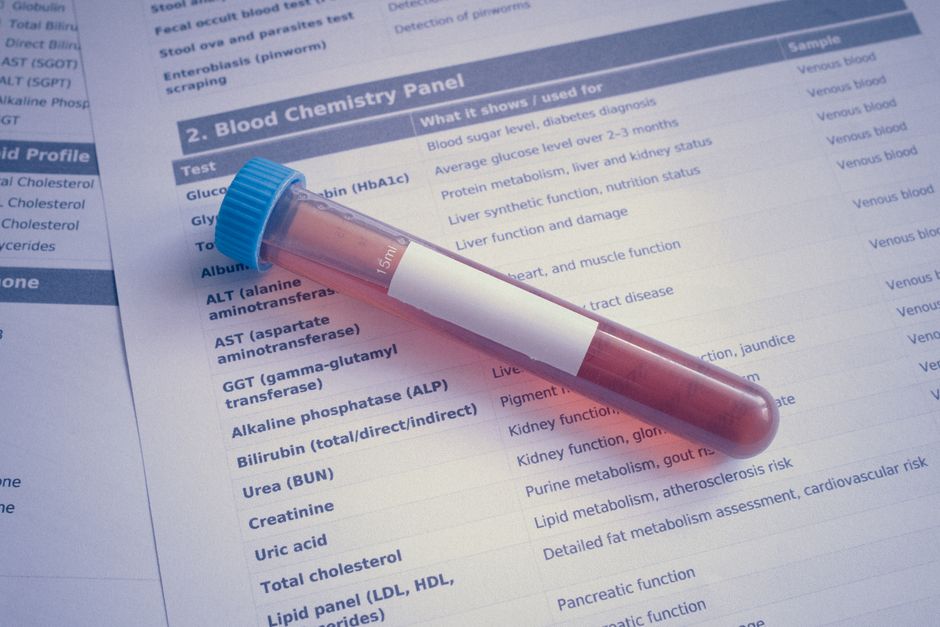
A thyroid panel is a group of blood tests that measure how well your thyroid gland is working. The panel usually includes thyroid-stimulating hormone (TSH), and may also include free T4, free T3, and sometimes thyroid antibodies. TSH is the most sensitive screening test because it responds to even small changes in thyroid hormone levels, but it is rarely enough on its own to explain what is happening.
What Is a Thyroid Panel With TSH Tests and Results?
A thyroid panel is a set of blood tests that check the hormones controlling your metabolism, energy, and temperature. TSH is the master signal from your pituitary gland that tells your thyroid to make more or less hormone.
When thyroid hormone levels drop, TSH rises. When thyroid hormone levels rise, TSH falls. This inverse relationship is why TSH is such a useful first test. It is also why a normal TSH does not always mean everything is fine. The pituitary can be affected by illness, medications, or its own problems, which changes TSH independently of the thyroid.
A full panel typically measures:
- TSH — the pituitary signal to the thyroid
- Free T4 — the main hormone the thyroid produces, in its unbound active form
- Free T3 — the more biologically active hormone, mostly converted from T4 in tissues
- Thyroid antibodies — markers of autoimmune thyroid disease, such as thyroid peroxidase (TPO) antibodies
Not every panel includes all four. Many clinicians start with TSH alone and add free T4 or antibodies based on symptoms and initial results.
What Does TSH Actually Measure?
TSH stands for thyroid-stimulating hormone. It is made in the pituitary gland, a pea-sized structure at the base of the brain. TSH travels through the blood to the thyroid and instructs it to produce T4 and T3.
The system works as a feedback loop. The hypothalamus releases TRH, which tells the pituitary to release TSH. TSH tells the thyroid to make hormone. When enough T4 and T3 are circulating, they signal back to the pituitary to slow TSH production. This is called negative feedback, and it keeps hormone levels stable in healthy people.
This loop is why TSH is considered the most sensitive marker of thyroid function. Small changes in T4 and T3 produce large changes in TSH. A TSH that is slightly high often means the thyroid is working harder than normal to keep hormone levels adequate.
One important clarification: TSH is not a thyroid hormone. It is a pituitary hormone. This distinction matters because conditions that affect the pituitary, such as pituitary tumors or pituitary surgery, can make TSH unreliable as a thyroid test.
What Do TSH Results Mean?
TSH results are interpreted against a reference range, which is usually around 0.4 to 4.0 mIU/L in adults, though ranges vary slightly by laboratory. Reference ranges are population-based and do not define disease on their own.
Results generally fall into these patterns:
| TSH Level | Free T4 | Likely Interpretation |
|---|---|---|
| High | Low | Primary hypothyroidism — the thyroid itself is underactive |
| High | Normal | Subclinical hypothyroidism — mild underactivity |
| Low | High | Hyperthyroidism — the thyroid is overactive |
| Low | Normal | Subclinical hyperthyroidism |
| Low | Low | Possible central hypothyroidism — a pituitary or hypothalamic problem |
Subclinical thyroid disease is common and often does not require treatment. Whether to treat subclinical hypothyroidism is genuinely debated. Some clinicians treat when TSH is above 10 mIU/L or when symptoms and antibodies are present. Others monitor without treating. This is a decision made case by case, not by a single number.
A single abnormal TSH is not a diagnosis. Illness, stress, sleep deprivation, and certain medications can shift TSH temporarily. Most clinicians repeat the test before acting on it.




Why Would a Doctor Order a Full Thyroid Panel Instead of Just TSH?
TSH alone is a good screening test but it cannot tell you why the thyroid is abnormal. Adding free T4 and free T3 shows how much hormone is actually available to tissues. Adding antibodies helps identify autoimmune causes.
A full panel is often ordered when:
- TSH is abnormal and the cause needs clarification
- Symptoms suggest thyroid disease but TSH is normal
- Autoimmune thyroid disease is suspected
- A patient is already on thyroid medication and response needs checking
- Pituitary disease is possible
Antibody tests are useful because they can predict risk. A person with a normal TSH but positive TPO antibodies has a higher chance of developing hypothyroidism later. That does not mean treatment is needed now. It means monitoring makes sense.
What Can Affect Thyroid Test Results?
Many factors can shift thyroid test results without any thyroid disease being present.
Medications. Biotin, a common supplement, can interfere with many thyroid immunoassays. The FDA has warned that high-dose biotin can cause falsely low or falsely high results depending on the test. Estrogen, opioids, glucocorticoids, and lithium can also affect results.
Illness. Acute or severe illness can cause changes in TSH, T4, and T3 that do not reflect true thyroid status. This is sometimes called non-thyroidal illness syndrome. Results are usually rechecked after recovery.
Pregnancy. Pregnancy changes thyroid hormone levels and reference ranges. TSH interpretation in pregnancy uses trimester-specific ranges, and no single universal cutoff applies to all pregnant women.
Timing and fasting. TSH varies through the day and is usually highest at night. Most labs do not require fasting for thyroid tests, but drawing blood at a consistent time helps with comparison.
Age. TSH tends to rise slightly with age in older adults without thyroid disease. Applying the same range to a 25-year-old and an 80-year-old can lead to overdiagnosis.
What Happens After Abnormal Results?
Abnormal results usually lead to a repeat test and a conversation about symptoms, medications, and history. If hypothyroidism is confirmed, treatment typically involves levothyroxine, a synthetic form of T4. Dosing is individualized and adjusted based on follow-up labs.
If hyperthyroidism is confirmed, treatment depends on the cause. Options include medications that reduce hormone production, radioactive iodine, or surgery. The choice depends on the underlying condition, age, and other health factors.
If results are borderline, many clinicians choose to monitor rather than treat. This is not a delay tactic. It reflects genuine uncertainty about whether treating mild abnormalities improves outcomes.
One non-obvious point: treating subclinical hypothyroidism does not reliably improve symptoms in everyone. Some trials show benefit, others do not. This is why the decision is individualized rather than automatic.
What Symptoms Match Thyroid Test Results?
Symptoms alone do not diagnose thyroid disease, but they help interpret results.
Hypothyroidism (underactive thyroid) can cause fatigue, cold intolerance, constipation, dry skin, weight gain, and slowed thinking. These symptoms overlap with many other conditions, including anemia, depression, and sleep disorders.
Hyperthyroidism (overactive thyroid) can cause weight loss, heat intolerance, rapid heart rate, anxiety, tremor, and frequent bowel movements.
Matching symptoms to lab results matters. A person with fatigue and a normal TSH is unlikely to have primary thyroid disease as the cause. A person with fatigue and a TSH of 12 mIU/L has a much stronger case for treatment.
Antibody status adds context. Positive TPO antibodies with normal thyroid function suggest autoimmune thyroid disease is present but not yet causing hormone imbalance.
How Often Should Thyroid Tests Be Repeated?
There is no universal schedule. Repeat testing depends on why the test was ordered and what the first result showed.
For someone with a mildly abnormal TSH and no symptoms, many clinicians recheck in a few months. For someone on thyroid medication, testing is typically done several weeks after any dose change. For someone with stable, treated thyroid disease, annual testing is common.
For pregnant women with thyroid disease, testing is more frequent because thyroid needs change during pregnancy. Specific timing should come from the treating clinician, since guidelines for pregnancy monitoring are more detailed than for the general population.
No clinical guidelines exist for routine thyroid screening in adults without symptoms. The U.S. Preventive Services Task Force has concluded that evidence is insufficient to recommend for or against screening in nonpregnant, asymptomatic adults.
Frequently Asked Questions
What does a thyroid panel test for?
A thyroid panel measures TSH and often free T4, free T3, and thyroid antibodies to assess how well the thyroid is working. TSH is the primary screening marker because it responds to changes in thyroid hormone levels.
Can I have normal TSH and still have thyroid problems?
Yes. Central hypothyroidism, caused by pituitary or hypothalamic problems, can produce low or normal TSH with low free T4. Some people also have positive antibodies and normal TSH, indicating risk without current hormone imbalance.
Do I need to fast for a thyroid panel?
Fasting is generally not required for thyroid testing. However, biotin supplements can interfere with test accuracy and are usually stopped before testing based on clinician instructions.
What TSH level is considered too high?
Most labs use an upper reference limit around 4.0 mIU/L, but this varies. A TSH above 10 mIU/L is more consistently treated, while values between 4 and 10 are often monitored or treated based on symptoms and antibodies.
