
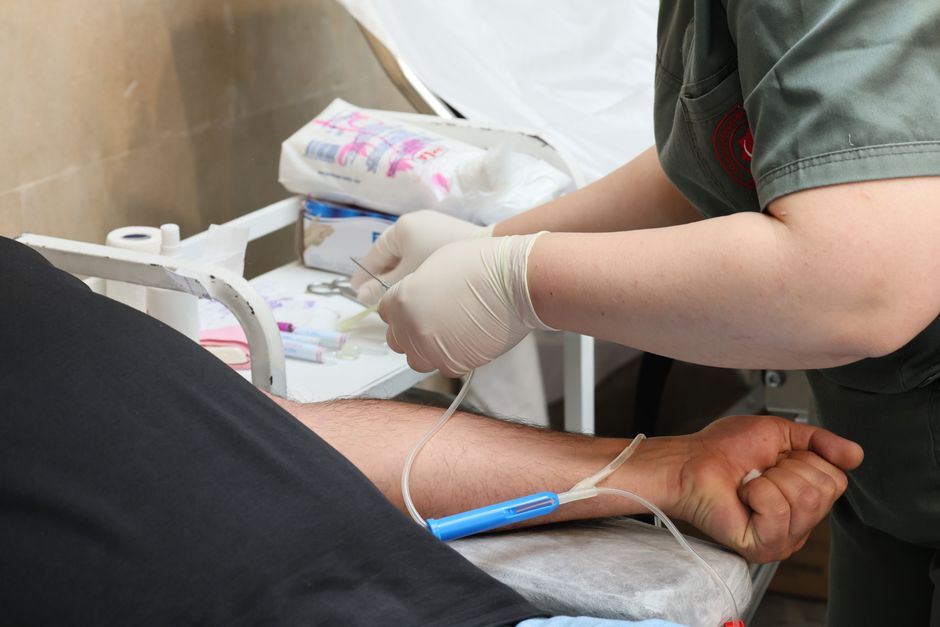
A therapeutic phlebotomy procedure is a medical treatment where a healthcare professional removes a specific amount of blood from your body through a vein. It is a prescribed clinical therapy, not a general wellness practice. The goal is to reduce the total number of red blood cells or the level of iron in your blood to treat specific conditions.
Why Would a Doctor Prescribe Therapeutic Phlebotomy?
Doctors prescribe this procedure to manage conditions where your body produces too many blood cells or stores too much iron. Removing blood forces your bone marrow to use stored iron to create new red blood cells. Over time, this lowers the overall iron levels in your body.
The most common conditions treated with this procedure are polycythemia vera and hereditary hemochromatosis. In polycythemia vera, the bone marrow makes too many red blood cells, which thickens the blood. In hemochromatosis, the body absorbs and stores too much iron from food, which can damage organs over time.
This treatment is also sometimes used for other conditions, such as porphyria cutanea tarda, but those are far less common. The decision to start therapeutic phlebotomy is always based on specific blood test results and a formal diagnosis.
How Does the Procedure Actually Work?
A therapeutic phlebotomy is similar to donating blood, but the blood is discarded rather than used for transfusion. You sit in a reclined chair while a clinician inserts a needle into a vein, usually in your arm. The blood flows through sterile tubing into a collection bag or bottle.
The amount of blood removed is calculated by your doctor based on your weight, your blood counts, and your condition. A typical session removes roughly 450 to 500 milliliters of blood, which is about one unit. The procedure itself takes 15 to 30 minutes. You remain in the clinic for a short observation period afterward to make sure you feel stable.
Your vital signs are checked before, during, and after the procedure. Most clinics also check your hemoglobin or hematocrit level before starting to confirm it is safe to proceed that day.
What Conditions Require This Treatment?
For polycythemia vera, the treatment directly prevents the blood from becoming dangerously thick. Thick blood increases the risk of blood clots, stroke, and heart attack. Regular phlebotomy keeps the red blood cell count in a safer range, which reduces those risks.
For hereditary hemochromatosis, the treatment removes iron-rich red blood cells, which forces the body to use its stored iron to make new cells. This gradually lowers the iron stores in your organs. This is critical because untreated iron overload can cause liver cirrhosis, diabetes, heart problems, and joint damage.
In both conditions, the procedure treats the complication of the disease, not the underlying genetic cause. You still have the condition, but the treatment manages its most dangerous effects.





What Are the Side Effects and Risks?
The most common side effect is fatigue after the procedure. Some people feel lightheaded or dizzy, especially if they stand up too quickly afterward. These symptoms usually resolve within a few hours to a day.
Other possible side effects include bruising or soreness at the needle site. Less common risks include infection, nerve irritation, or feeling faint during the procedure. Serious complications are rare when the procedure is performed by trained medical staff.
Iron deficiency can develop if phlebotomy is done too frequently or for too long without monitoring. Your doctor will check your iron levels periodically to prevent this. For this reason, the schedule is adjusted based on your blood test results, not a fixed calendar.
How Often Do You Need This Procedure?
The frequency depends entirely on your condition and your response to treatment. In the beginning, you may need treatment weekly or every other week to bring your blood counts down to a target range.
Once your levels are controlled, the interval is extended. Many patients eventually go to treatment every few months for maintenance. Some patients with mild hemochromatosis may only need a few sessions per year.
Your doctor will use blood tests to guide the schedule. The goal is to keep your red blood cell count or iron level within a specific target range without making you anemic. No fixed schedule works for everyone.
Can You Donate the Blood Instead of Discarding It?
No, blood removed during therapeutic phlebotomy is not used for blood donation. This is a firm rule in most countries, including the United States.
The reason is that the blood comes from a person with a medical condition. Blood banks do not accept blood from therapeutic phlebotomy because the underlying disease may affect the quality or safety of the blood. The blood is labeled as medical waste and disposed of according to hospital regulations.
This is a common point of confusion. Patients often ask if their blood can help others, but the answer is no. The procedure is a treatment for you, not a donation.
What Should You Do Before and After the Procedure?
Before the procedure, drink plenty of water and eat a normal meal. This helps prevent lightheadedness. Tell your clinician about all medications you take, especially blood thinners, as they may need to adjust the plan for that day.
Wear clothing with sleeves that can be rolled up easily. Avoid heavy lifting or intense exercise for the rest of the day. If you feel dizzy, sit down and rest until it passes.
Your doctor may recommend iron-restricted dietary changes alongside the phlebotomy, particularly for hemochromatosis. This may include limiting red meat and avoiding iron supplements. Do not take over-the-counter iron supplements unless your doctor specifically tells you to.
Is Therapeutic Phlebotomy the Same as Bloodletting?
It is a modern medical procedure with a very old history, but it is not the same as historical bloodletting. Old bloodletting was used for a wide range of unproven purposes and often removed dangerous amounts of blood. It was based on the belief that illness came from imbalanced bodily fluids.
Modern therapeutic phlebotomy is based on measurable laboratory values. The amount removed is calculated, the frequency is monitored, and the treatment is only used for conditions where removing blood has proven benefit. It is not used for infections, fevers, or general malaise.
The distinction matters because it is a serious medical treatment with clear indications. It should never be performed outside a clinical setting or by someone without proper training.
Frequently Asked Questions
Is therapeutic phlebotomy painful?
Most people feel a brief sting when the needle goes in, similar to a blood draw. The procedure itself is not painful, though some people feel mild discomfort or pressure at the site.
How long does a therapeutic phlebotomy take?
The blood removal itself takes about 15 to 30 minutes. Expect to be in the clinic for roughly an hour total, including preparation and observation afterward.
Can therapeutic phlebotomy cure hemochromatosis?
It does not cure the genetic condition, but it effectively manages iron levels and prevents organ damage. Treatment is ongoing and typically continues for life, though the frequency often decreases over time.
Can I drive myself home after the procedure?
Most people can drive themselves, but it is safer to have someone with you for the first session. If you feel faint or dizzy afterward, arrange for a ride instead.
