
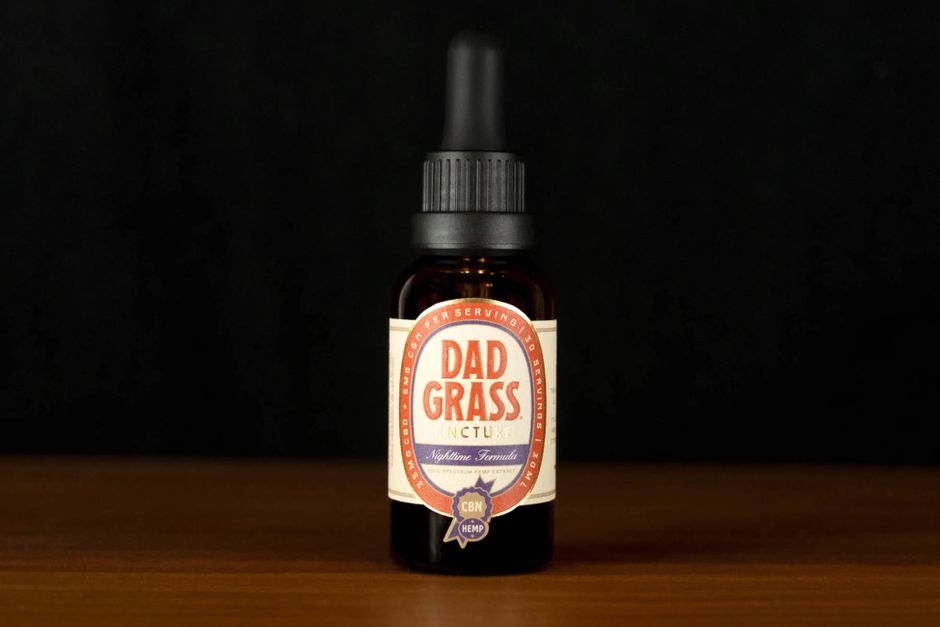
A THC tincture is a liquid cannabis product, usually taken by placing drops under the tongue, that delivers delta-9-tetrahydrocannabinol — the main psychoactive compound in cannabis — into the bloodstream. It is used for symptom relief in some medical conditions and for recreational effects, and dosing is highly individual because absorption, tolerance, and product strength vary widely. There is no single standard dose that works for everyone.
What Is a THC Tincture and How Is It Made?
A tincture is a liquid extract. In cannabis, the term usually describes THC (and often CBD) dissolved in a carrier liquid such as alcohol, glycerin, or a food-grade oil like MCT oil.
Traditional tinctures were made by soaking plant material in alcohol for weeks. Most modern products are made differently. The cannabis is processed to extract cannabinoids, then that concentrate is blended into a carrier at a controlled strength. This lets manufacturers label each bottle with a specific milligram amount of THC per milliliter or per drop.
The word “tincture” is used loosely in the cannabis market. Some products sold as tinctures are technically oils, and some are emulsions designed to mix into drinks. The label matters more than the name.
One detail worth knowing: a true alcohol-based tincture and an oil-based tincture do not behave the same way in the body. Alcohol tinctures tend to absorb faster under the tongue. Oil-based products absorb more slowly and may depend more on swallowing. This affects how quickly you feel anything.
What Is a THC Tincture Used For?
People use THC tinctures for two broad reasons: medical symptom relief and recreational effects.
On the medical side, THC has been studied for several specific conditions. The strongest evidence supports its use for chemotherapy-induced nausea and vomiting and for appetite stimulation in wasting conditions. Prescription THC medicines have been approved by the FDA for these purposes.
Evidence for other uses is more mixed. Some studies suggest THC may help with certain types of chronic pain, particularly nerve pain, but results vary and not all trials show benefit. For conditions like anxiety, insomnia, or muscle spasticity, the evidence is limited or inconsistent. Some clinicians recommend it, but that is not the same as strong trial support.
On the recreational side, users describe relaxation, altered perception, and mood changes. These effects are real and well documented, but they are not a medical use.
It is worth separating what a product is marketed for from what research actually supports. Many tincture labels imply broad benefits that have not been confirmed in controlled human trials.
How Does a THC Tincture Affect the Body?
THC works by binding to cannabinoid receptors in the brain and nervous system, primarily CB1 receptors. These receptors are involved in memory, mood, pain perception, appetite, and coordination.
When THC attaches to these receptors, it alters normal signaling. That is why the effects touch so many systems at once — mood, thinking, hunger, and physical sensation.
The onset and intensity depend heavily on how the tincture is taken:
- Under the tongue (sublingual): Some THC absorbs directly into the bloodstream through the tissue under the tongue, bypassing the digestive system. Effects may begin within 15 to 45 minutes.
- Swallowed: THC that is swallowed goes through the liver, where it is converted into a more potent compound called 11-hydroxy-THC. This produces stronger, longer-lasting effects but takes longer to start — often 1 to 2 hours.
This dual pathway is why tinctures can feel unpredictable. A single dose may partly absorb under the tongue and partly get swallowed, producing a different experience each time.
Effects typically last several hours. Swallowed THC tends to last longer than sublingual absorption.





How Do You Dose a THC Tincture?
There is no universal dose. THC sensitivity varies enormously between people, and factors like body weight, tolerance, liver enzymes, and prior cannabis use all change the response.
What reliable sources do agree on is a general principle: start low and go slow. For people new to THC, that usually means starting with a very small amount — often just 1 to 2.5 milligrams — and waiting at least several hours before considering more. This reflects widely repeated harm-reduction guidance rather than a formal clinical dosing standard, and no official guideline sets a universal starting dose.
Product labels list total THC per bottle and sometimes per drop or per milliliter. That sounds precise, but it is not a guarantee. A 2017 review of cannabis product labeling found that actual THC content often did not match what was printed on the label. Testing standards have improved in some legal markets, but accuracy still varies.
Practical points that matter:
- Shake the bottle before measuring. Cannabinoids can settle.
- Use the dropper that came with the product, not a kitchen spoon.
- Wait before redosing. Taking more too soon is the most common cause of an unpleasant experience.
- Keep a written record of dose and effect. Memory is unreliable here.
No clinical guidelines currently exist for THC tincture dosing in pregnant women, breastfeeding mothers, infants, or children. THC is not recommended for these groups outside specific medical supervision.
What Are the Side Effects and Risks?
Common short-term effects include dry mouth, red eyes, increased heart rate, dizziness, impaired coordination, and altered memory or concentration. These are well established.
Higher doses can cause anxiety, paranoia, nausea, and in some cases a temporary sense of panic. These reactions are uncomfortable but usually pass. There is no fatal overdose level for THC alone, but that does not make high doses harmless.
More serious concerns include:
- Impaired driving. THC affects reaction time and judgment. Driving after use is unsafe.
- Mental health risk. Research indicates a link between high-dose or frequent cannabis use and increased risk of psychosis in people with certain vulnerabilities. The relationship is complex and not fully settled, but the association is consistent enough to take seriously.
- Dependence. A minority of regular users develop cannabis use disorder, marked by craving, tolerance, and difficulty cutting back.
- Drug interactions. THC can interact with medications processed by certain liver enzymes, potentially changing how other drugs work.
Anyone with a history of psychosis, heart conditions, or who is taking prescription medication should talk to a clinician before using THC products.
How Do Tinctures Compare to Other THC Products?
Tinctures sit between edibles and inhaled cannabis in terms of onset and control.
| Method | Typical onset | Duration | Notes |
|---|---|---|---|
| Smoking or vaping | Seconds to minutes | 1 to 3 hours | Fastest effects; lung exposure |
| Tincture (sublingual) | 15 to 45 minutes | Several hours | Faster than edibles, slower than inhaling |
| Edible | 1 to 2 hours | 4 to 8 hours or longer | Stronger liver conversion; harder to judge |
Tinctures offer more flexibility than edibles because you can adjust by the drop. But the dual absorption pathway makes them less predictable than many users expect.
Inhaled THC gives the fastest feedback, which some people prefer for controlling dose. Edibles are the least predictable because of the liver conversion step. Tinctures fall somewhere in between.
Is a THC Tincture Legal?
Legality depends entirely on where you are. In the United States, cannabis rules vary by state. Some states allow medical use only, some allow adult recreational use, and some prohibit THC entirely. Federal law treats cannabis as a controlled substance, though enforcement priorities have shifted over time.
CBD products derived from hemp with very low THC content occupy a separate and still-evolving legal space.
This is not legal advice. If you are unsure about your state’s rules, check with a local authority or attorney. Rules can change, and they can differ between medical and recreational products.
Frequently Asked Questions
How long does a THC tincture take to work?
Sublingual absorption may produce effects within 15 to 45 minutes, while swallowed THC can take 1 to 2 hours. The delay makes it easy to take too much before the first dose has fully kicked in.
How many milligrams of THC should a beginner take?
Harm-reduction guidance commonly suggests starting with 1 to 2.5 milligrams and waiting several hours before considering more. No official clinical guideline sets a universal starting dose, so individual response varies.
Can you overdose on a THC tincture?
There is no fatal overdose level for THC alone, but high doses can cause severe anxiety, panic, nausea, and disorientation. These effects are distressing but typically pass without lasting harm.
Is a THC tincture the same as CBD oil?
No. THC is psychoactive and produces a high, while CBD does not produce intoxication. Some products contain both, so reading the label for THC content is essential.
