
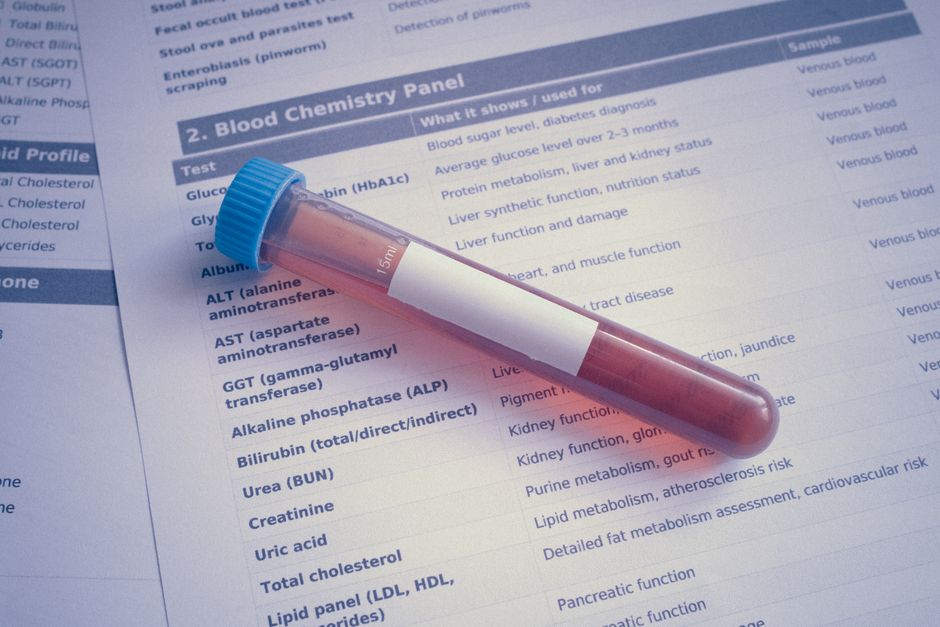
The term “test cell” doesn’t refer to a single thing in medicine. It describes several different concepts depending on context — from cells used in laboratory testing to a type of immune cell measured in blood work to a controlled testing chamber in a research facility. This article covers the most common meanings, what each type does, and what safety concerns actually apply. If you’ve encountered the phrase in a lab report, a news story, or a product label, the sections below will help you place it accurately.
What Is a Test Cell in Medical and Scientific Context?
A test cell is any cell used as the subject of a laboratory test or measurement. That is the broadest and most accurate definition. The cell might be a human cell grown in culture, a blood cell counted by an analyzer, or a bacterial cell exposed to a compound to see what happens.
The phrase is not a formal medical diagnosis or a standardized clinical term. You won’t find “test cell” listed in a pathology report as a finding. It is descriptive language used by researchers, lab technicians, and equipment manufacturers.
Context matters enormously here. A “test cell” in a hematology analyzer means something entirely different from a “test cell” in a pharmaceutical research lab. Both are real uses of the term, and neither is wrong.
The Three Most Common Meanings
- Biological test cells — living cells used in experiments, diagnostics, or quality control
- Analytical test cells — the sample cells or cuvettes that hold material inside laboratory instruments
- Environmental test cells — sealed chambers used to test equipment, materials, or biological samples under controlled conditions
Most readers searching this term are asking about the first category — living cells used in testing. The sections below focus primarily there, with brief coverage of the other two.
What Functions Do Test Cells Perform in Research and Diagnosis?
Living cells used in testing serve as biological models. They let researchers and clinicians observe how cells respond to a drug, an infection, a toxin, or a change in environment — without testing on a whole person first.
In diagnostic laboratories, cells from a patient’s blood, tissue, or fluid are tested to identify disease. A complete blood count, for example, measures the number and type of blood cells. Those cells are the test cells. The analyzer counts and categorizes them, and the results inform clinical decisions.
In research, cultured cells — often derived from established cell lines — are used to study disease mechanisms, screen potential drugs, and test toxicity. These are sometimes called cell-based assays. The cell is the test system.
One important clarification: a cell behaving a certain way in a dish does not guarantee the same behavior in a living human body. Biological plausibility in a lab setting is not the same as proven clinical benefit. This distinction matters when you read headlines about “lab tests showing” a treatment works.
What Are the Main Types of Test Cells?
Test cells fall into categories based on their origin and purpose. Each type has different strengths and limitations.
| Type | Source | Common Use |
|---|---|---|
| Primary cells | Directly from living tissue | Short-term studies; closest to real biology |
| Immortalized cell lines | Modified to divide indefinitely | Long-term research; drug screening |
| Stem cells | Embryonic or adult tissue | Developmental research; regenerative medicine studies |
| Blood cells (patient-derived) | Patient samples | Diagnostic testing; disease monitoring |
| Bacterial or fungal cells | Microbial cultures | Antibiotic testing; contamination checks |
Primary cells are the closest to human biology but are difficult to maintain and have a limited lifespan in culture. Immortalized cell lines are easier to work with but may behave differently from normal human cells over many generations. Neither is a perfect substitute for the other.
Blood cells used in diagnostics are not cultured — they are measured directly from the patient sample. That makes them a direct reflection of the patient’s state at the time of collection, which is why blood testing remains one of the most reliable diagnostic tools in medicine.
What Safety Concerns Apply to Test Cells?
Safety concerns depend entirely on the type of test cell and who is handling it. For laboratory workers, the main risks are biological and chemical, not the cells themselves in most cases.
Human-derived cells carry a theoretical risk of transmitting infectious agents. Standard laboratory practice treats all human tissue as potentially infectious. This is a well-established biosafety principle, not a sign that any particular cell line is dangerous.
Cell lines also carry a risk of misidentification or contamination. Cross-contamination between cell lines has been a documented problem in research. Reputable labs authenticate their cell lines to prevent this.
For the general public, test cells in a research or diagnostic setting pose no direct risk. They are contained within laboratory environments with established safety protocols.
One area where public safety does matter: products marketed as containing “test cells” or “live cells” for home use. No clinical evidence currently confirms that such products offer health benefits. The evidence here is limited, and in most cases absent entirely. Treat marketing claims about cell-based consumer products with caution.
How Are Test Cells Used in Medical Testing?
Test cells are central to many routine medical tests. When you have blood drawn, the cells in that sample become the test subjects for a range of analyses.
A complete blood count measures red blood cells, white blood cells, and platelets. Each provides distinct information. Red blood cell counts can indicate anemia. White blood cell counts can suggest infection or immune conditions. Platelet counts matter for clotting.
Other tests examine how cells function. A blood smear lets a trained observer look at cell shape and size under a microscope. Abnormal shapes can indicate specific conditions — sickle cell disease, for example, is identified by the characteristic crescent shape of red blood cells.
In tissue testing, a biopsy sample is examined at the cellular level. Cells are stained and viewed under a microscope to check for abnormal growth patterns. This is a cornerstone of cancer diagnosis.
None of these tests are experimental. They are standard clinical practice with decades of established use. The “test cell” in each case is simply the patient’s own cell, examined for diagnostic information.
What Should You Know Before Trusting a Claim About Test Cells?
Be skeptical of any product or service that markets “test cells” as a health benefit. The term is not a recognized category in consumer health regulation. It has no defined meaning in that context.
Legitimate cell-based testing happens in laboratories and clinical settings. It produces diagnostic information for medical use. It does not produce a consumer product that you take home.
If you see a supplement, device, or therapy advertised with claims about “test cells” or “cellular testing,” ask what specific test was performed, by whom, and whether the results have been published in a peer-reviewed journal. If those answers are vague or absent, the claim is not supported by evidence.
This is not to say all cell-based research is suspect. Far from it. Cell biology underpins much of modern medicine. But the gap between laboratory research and a marketed consumer product is wide, and that gap is where misleading claims live.
Frequently Asked Questions
What is a test cell in simple terms?
A test cell is any cell used in a laboratory test or scientific experiment. It can be a human cell, a blood cell from a patient, or a microbial cell being studied.
Are test cells dangerous to people?
No, test cells in laboratory or diagnostic settings are contained and handled under established safety protocols. They pose no direct risk to the general public.
What is the difference between a test cell and a normal cell?
There is no biological difference. A test cell is simply a normal cell being used for testing purposes — the term describes its role, not its nature.
Can test cells be used to diagnose disease?
Yes, cell-based testing is a standard part of medical diagnosis. Blood cell counts, tissue biopsies, and cell cultures are all routine diagnostic tools with well-established clinical use.
