
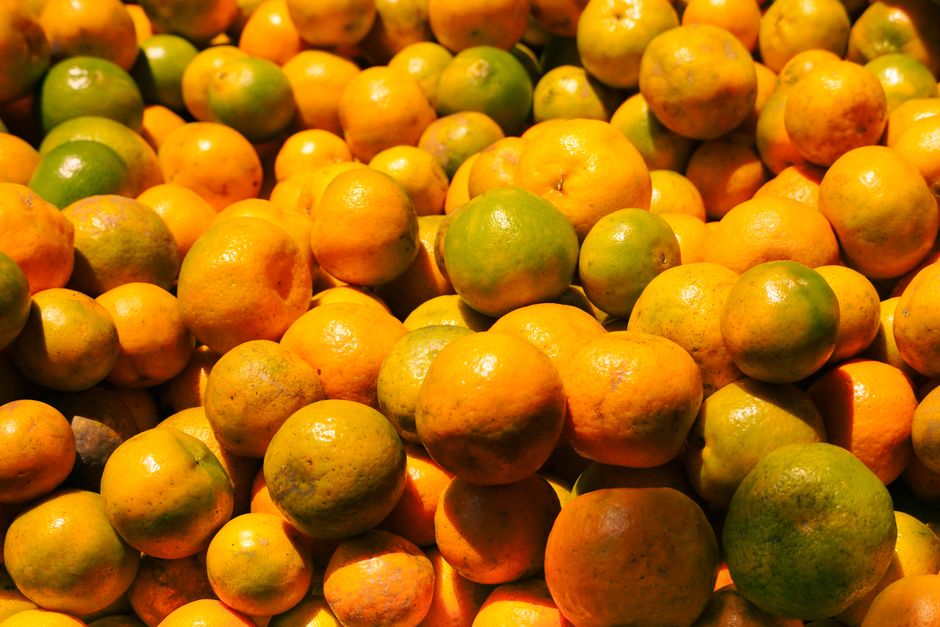
A tangelo is a hybrid citrus fruit, a cross between a tangerine and a grapefruit or pomelo. It looks like a large orange with a distinctive neck-like bump at the stem end. The name combines “tangerine” and “pomelo,” though the actual parentage varies by variety. The most common type in US grocery stores is the Minneola tangelo, which comes from a tangerine and a grapefruit cross. They are prized for a sweet, slightly tart flavor that is juicier and less bitter than a standard orange.
What Is A Tangelo Fruit Compared to an Orange?
A tangelo is not a type of orange. It is its own distinct hybrid. While both are citrus, the tangelo’s grapefruit parent gives it a different nutritional profile and taste. Tangelos are generally larger than oranges and have a looser, thinner skin that is easier to peel. The flesh is often deeper orange and exceptionally juicy.
The flavor is the biggest difference. Tangelos have a tangy, tart kick that oranges usually lack. They are less sweet than a navel orange but have a more complex flavor. Some describe it as a honeyed tartness with floral notes. The acidity is brighter, making them a favorite for fresh eating and juicing.
Nutritionally, the tangelo’s grapefruit heritage shows up in its vitamin content. Both fruits are excellent sources of vitamin C, but tangelos provide a higher amount of folate and potassium per serving compared to common oranges. A medium tangelo also provides fiber and is low in calories, typically around 60-80 calories depending on size.
How Do You Eat a Tangelo?
Eating a tangelo is simple. The skin is thin and peels away easily, often in one piece. Once peeled, the fruit separates into segments like an orange. The white pith is usually thin and less bitter than an orange’s pith, so it does not need to be removed.
Most tangelos are seedless or have very few seeds. This makes them a convenient snack. Because they are so juicy, they can be messy to eat out of hand. It is common to eat them over a plate or sink to catch the dripping juice.
Beyond fresh eating, tangelos work well in salads, desserts, and marinades. Their juice makes a bright addition to vinaigrettes or cocktails. The zest is fragrant and can be used in baking. When cooking with tangelos, remember they are more acidic than oranges, so adjust sugar in recipes if substituting.
What Are the Health Benefits of Tangelos?
The health benefits of tangelos come from their nutrient density. Like all citrus, they are rich in vitamin C, which supports immune function and collagen production. One medium tangelo provides a significant portion of the daily recommended vitamin C intake, though exact amounts vary by fruit size and growing conditions.
Tangelos also contain plant compounds called flavonoids. These compounds act as antioxidants in the body. Research consistently shows that dietary flavonoids from citrus are associated with reduced inflammation and better heart health. The white pith and the membranes between segments are where many of these beneficial compounds concentrate, so eat those parts rather than removing them all.
The fiber in tangelos supports digestive health. A medium fruit provides about 2 grams of fiber. This contributes to regular bowel movements and helps feed beneficial gut bacteria. Fiber also slows sugar absorption, which helps prevent blood sugar spikes after eating.
One notable difference from grapefruit is medication interaction. Grapefruit is famous for interfering with certain prescription drugs, including some statins and blood pressure medications. Tangelos do contain some of the same compounds that cause this interaction, but in much lower amounts. The evidence is not strong enough to say tangelos are completely safe with these medications. If you take a medication that warns against grapefruit, ask your pharmacist whether tangelo is safe for you.





Are Tangelos Genetically Modified?
No. Tangelos are not genetically modified organisms. They were created through traditional cross-breeding, not laboratory genetic engineering. Citrus growers have been hybridizing fruits for centuries.
This specific hybrid likely originated in the late 1800s. The Minneola tangelo, the most popular variety, was developed by the US Department of Agriculture in Florida in 1931. It was named after Minneola, a town in central Florida. The cross-pollination process happens naturally when bees move pollen between tangerine and grapefruit trees.
Because tangelos are hybrids, they cannot reproduce true to type from seed. If you plant a tangelo seed, the resulting tree will not produce tangelos. It may produce fruit closer to one parent species or an entirely new combination. Commercial tangelo trees are propagated by grafting cuttings onto rootstock, which ensures every tree produces the same fruit.
When Are Tangelos in Season?
Tangelos have a relatively short season. In the United States, they are typically harvested from late fall through winter, roughly November to February. The exact timing depends on the growing region and weather conditions that year.
Florida is the primary producer of tangelos in the US. The state’s warm climate and sandy soil suit citrus cultivation well. California and Arizona also grow smaller quantities. Because the season is short, tangelos are often seen as a winter treat.
When selecting tangelos, choose fruits that feel heavy for their size. Heaviness indicates juiciness. The skin should be bright orange and slightly glossy. Avoid fruits with soft spots, dull coloring, or signs of mold at the stem. Tangelos do not continue ripening after harvest, so a greenish fruit will not sweeten on your counter.
Store tangelos at room temperature for up to a week or in the refrigerator crisper drawer for up to three weeks. The cool environment slows moisture loss and mold growth. Like all citrus, they should be dry when stored; moisture promotes decay.
How Do Tangelos Compare to Other Citrus Fruits?
Understanding where tangelos fit among citrus fruits helps shoppers know what to expect. The table below compares key characteristics of common fresh citrus options.
| Fruit | Flavor Profile | Peel Difficulty | Typical Seeds | Primary Use |
|---|---|---|---|---|
| Tangelo | Sweet, tart, tangy | Easy | Few or none | Fresh eating, juicing |
| Orange (Navel) | Sweet, mild | Moderate | None | Fresh eating, salads |
| Tangerine | Sweet, less acidic | Very easy | Several | Snacking |
| Grapefruit | Bitter, sour | Moderate | Few | Breakfast, juicing |
| Clementine | Very sweet, mild | Very easy | None | Snacking, kids’ lunches |
The tangelo’s closest relative in the store is the tangerine. Some small tangelos look almost identical to large tangerines. The key identifier is the neck or collar at the stem end, which tangerines do not have. This bump is called a “nipple” in citrus terminology and is the most reliable visual cue.
Minneola tangelos are the variety most likely labeled in stores. Another less common variety is the Orlando tangelo, which is a cross between a tangerine and a pomelo rather than a grapefruit. Orlando tangelos are milder and less acidic than Minneolas but are harder to find commercially.
Can You Substitute Tangelos in Recipes?
Yes, tangelos can substitute for oranges, tangerines, or clementines in most recipes. The main adjustment is acidity. Because tangelos are more tart, you may need to add a little extra sweetener to desserts or dressings when swapping them for sweeter citrus.
For savory dishes, the extra acidity is often an advantage. Tangelo segments brighten green salads, grain bowls, and fish dishes. The juice works as a marinade base for chicken or shrimp. The zest substitutes equally for orange zest in baked goods.
If a recipe specifically calls for grapefruit, tangelo is not a good substitute. The bitterness and distinct flavor of grapefruit are hard to replicate. Conversely, if a recipe calls for tangelo and none is available, a mix of orange juice and a squeeze of lemon or lime approximates the sweet-tart balance reasonably well.
Frequently Asked Questions
Is a tangelo a tangerine and grapefruit mix?
Yes, most commercial tangelos, including the Minneola, are a cross between a tangerine and a grapefruit. Some varieties use a pomelo instead of a grapefruit as the larger parent.
Are tangelos healthier than oranges?
Both are nutritious, but tangelos provide more folate and potassium per serving. Oranges typically have slightly more vitamin C, though both are excellent sources.
Why do tangelos have a bump on top?
The bump, called a neck or nipple, is a physical trait inherited from the grapefruit parent. It is the most reliable way to tell a tangelo apart from a tangerine or orange.
Can diabetics eat tangelos?
Yes, in moderation, because the fiber in whole fruit slows sugar absorption. Whole tangelos are a better choice than tangelo juice, which lacks fiber and raises blood sugar faster.
