
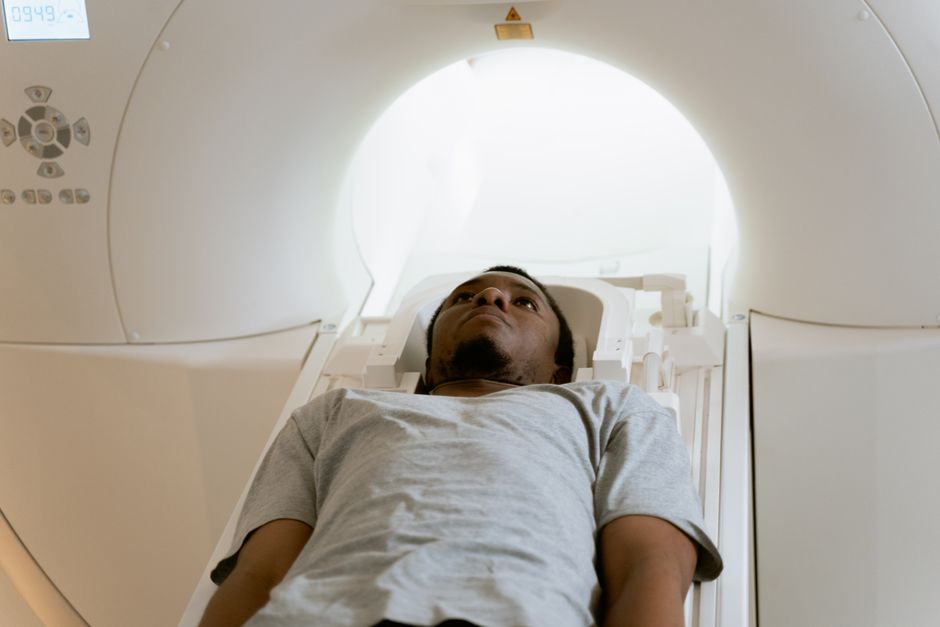
If you’ve ever been handed a lab slip and an imaging order after an ER visit or a worrying symptom, you may have seen the phrase “TAC” and wondered what it means. A TAC medical test usually refers to a CT scan — specifically a computed tomography scan, sometimes called a CAT scan. “TAC” is not a standard medical abbreviation in the US, but it appears often enough in patient paperwork, translations, and regional usage that it gets confused with other tests. In most cases, a TAC medical test, a CT scan, and a blood test are separate tests that doctors order together to get a fuller picture of what is happening inside your body.
What Is A Tac Medical Test Ct Scan And Blood Test?
A CT scan is an imaging test that uses X-rays taken from many angles to build detailed cross-sectional pictures of your body. A blood test is a lab test that measures cells, chemicals, hormones, and other substances in a sample of your blood.
The two tests answer different questions. A CT scan shows structure — bones, organs, blood vessels, and abnormal masses. A blood test shows function and chemistry — how your organs are working, whether you have an infection, and whether certain markers are elevated.
Doctors often order them together because each fills gaps the other leaves. A CT scan can show a mass but cannot tell you whether it is infected or how your kidneys are functioning. A blood test can show signs of infection or organ stress but cannot show where a problem is located.
What does “TAC” actually stand for?
In most US medical settings, “TAC” is not a recognized abbreviation. It sometimes appears as a translation artifact or shorthand for “CT” in non-English documentation. In some contexts, TAC refers to a specific blood test measuring tacrolimus, a drug used after organ transplants. If your paperwork says “TAC,” ask your provider to clarify exactly which test is meant before you arrive for it.
How Does A CT Scan Work?
A CT scanner is a large ring-shaped machine. You lie on a table that slides into the center of the ring. An X-ray tube and detectors rotate around you, capturing images from hundreds of angles.
A computer combines those images into cross-sections — thin “slices” of your body that can be viewed from different directions. This is why CT images look so much more detailed than a standard X-ray. A chest X-ray gives you one flat view. A CT gives you a stack of thin slices that a radiologist can scroll through.
Some CT scans use a contrast dye, given by mouth, injection into a vein, or both. Contrast helps certain tissues show up more clearly. It also carries some risks, which is why your care team asks about allergies and kidney problems beforehand.
What does a CT scan show that a blood test cannot?
A CT scan shows location and structure. It can reveal a fracture, a kidney stone, a blocked blood vessel, an enlarged organ, or a tumor. It shows where a problem is and how large it is.
A blood test cannot show location. It can show that something is wrong — elevated white cells, abnormal liver enzymes, low hemoglobin — but not precisely where. The two tests together give doctors both the “what” and the “where.”
What Does A Blood Test Show That A CT Scan Cannot?
A blood test shows how your body is functioning at a chemical level. It can reveal infection, anemia, electrolyte imbalances, hormone levels, and markers of organ stress. A CT scan cannot show any of this.
For example, a CT scan might show a normal-looking kidney, while a blood test shows rising creatinine — a sign the kidney is not filtering well. Or a blood test might show a high white blood cell count, while a CT scan pinpoints the source as appendicitis.
Blood tests are also faster and cheaper. Many results come back within hours, while CT results are read by a radiologist, often within a day but sometimes longer depending on urgency.
Common blood tests ordered alongside a CT scan
- Complete blood count (CBC) — measures red cells, white cells, and platelets; can suggest infection, anemia, or bleeding
- Basic metabolic panel (BMP) — checks kidney function, blood sugar, and electrolytes; often required before contrast dye
- Liver function tests — measure enzymes and proteins that reflect liver health
- Coagulation studies — check how well your blood clots, relevant before certain procedures
- Inflammatory markers — such as CRP or ESR, which can rise with infection or inflammation
Your doctor chooses which tests based on your symptoms, history, and what the CT is looking for. Not every CT requires blood work, and not every blood panel requires imaging.
When Are A CT Scan And Blood Test Ordered Together?
Doctors order both when they need to see structure and function at the same time. This is common in emergency departments, during pre-surgical workups, and when monitoring a known condition.
Some typical scenarios include:
- Suspected infection — blood tests show signs of infection; a CT locates the source, such as an abscess or pneumonia
- Abdominal pain — a CT can show appendicitis, kidney stones, or bowel obstruction; blood tests assess severity and organ function
- Trauma — a CT checks for internal injuries; blood tests check for blood loss and organ damage
- Cancer workup — a CT shows tumor size and spread; blood tests check organ function and tumor markers where relevant
- Before surgery — blood tests confirm safe kidney function and clotting; a CT maps the surgical area
In each case, the tests are complementary. Neither replaces the other.
What Happens During Each Test?
The CT scan
You may be asked not to eat for a few hours beforehand if contrast is planned. You remove metal objects and change into a gown. You lie on the table, and the technologist positions you.
The scan itself is quick — often a few minutes — though the whole appointment may take longer. The machine is open on both ends, so it does not feel enclosed like an MRI. You may hear whirring or clicking sounds. You may be asked to hold your breath briefly.
If contrast is used, you may feel warmth, a metallic taste, or a brief flushing sensation. These are common and usually pass quickly. Tell the technologist immediately if you feel itching, swelling, or trouble breathing.
The blood test
A phlebotomist or nurse draws blood from a vein, usually in your arm. The procedure takes a few minutes. You may feel a brief pinch. Some tests require fasting; others do not. Follow the instructions on your lab slip.
Results are sent to your doctor, who interprets them in the context of your symptoms and other findings. A single abnormal value does not always mean something is wrong — reference ranges vary by lab, age, and other factors.
Are There Risks?
CT scans use ionizing radiation. The dose is higher than a single X-ray but generally considered low for a single scan. The risk from one scan is small, but radiation exposure adds up over a lifetime, which is why doctors avoid unnecessary scans.
Contrast dye carries its own risks. Iodinated contrast can cause allergic reactions, ranging from mild to severe. It can also stress the kidneys, especially in people with existing kidney disease, diabetes, or dehydration. Your care team typically checks kidney function before giving contrast — this is one reason a blood test is often ordered first.
Blood tests carry minimal risk. Bruising at the needle site is common. Serious complications are rare.
Pregnancy is a special consideration. Tell your doctor if you are or might be pregnant before any CT scan. The risks and benefits need to be weighed carefully, and alternatives may be considered.
How Should You Prepare?
Preparation depends on which tests are ordered and in what order.
For a CT scan with contrast, you may be asked to fast for several hours. You should tell the scheduling team about any allergies, especially to contrast dye or iodine. You should also mention any kidney problems, diabetes medications, or thyroid conditions.
For a blood test, fasting may be required for certain panels, such as glucose or lipid tests. If you are unsure, call the lab or your doctor’s office before your appointment.
If both tests are scheduled the same day, the order matters. Blood tests are often drawn before contrast is given, because contrast can temporarily affect some lab values. Ask your care team how they want you to sequence the appointments.
What Do The Results Mean Together?
Results are interpreted as a set, not in isolation. A normal CT scan with abnormal blood tests might point to a systemic issue — an infection, a metabolic problem, or an early-stage condition not yet visible on imaging.
An abnormal CT with normal blood tests might point to a structural issue — a small stone, a benign growth, or an injury — that has not yet affected organ function.
Both normal is reassuring but not absolute. Some conditions are not visible on CT or reflected in standard blood panels. Both abnormal usually points to a more significant problem that needs further evaluation.
Your doctor is the right person to interpret results in context. Lab reference ranges vary, imaging findings can be subtle, and what matters most is the full clinical picture — your symptoms, history, and exam findings.
Frequently Asked Questions
Is a TAC medical test the same as a CT scan?
In most US medical settings, “TAC” is not a standard abbreviation, but it is often used informally or in translated documents to mean a CT scan. Ask your provider to confirm exactly which test is ordered.
Do I need to fast for a CT scan and blood test?
Fasting depends on the specific tests ordered and whether contrast is used. Follow the instructions on your lab slip and call your doctor’s office if anything is unclear.
Can a CT scan and blood test diagnose the same condition?
They can both contribute to the same diagnosis but in different ways. A CT shows structure and location, while a blood test shows function and chemistry; together they give a fuller picture.
Is contrast dye safe for everyone?
No. Contrast dye carries risks, especially for people with kidney disease, diabetes, or prior allergic reactions. Your care team typically screens for these before giving contrast.
