
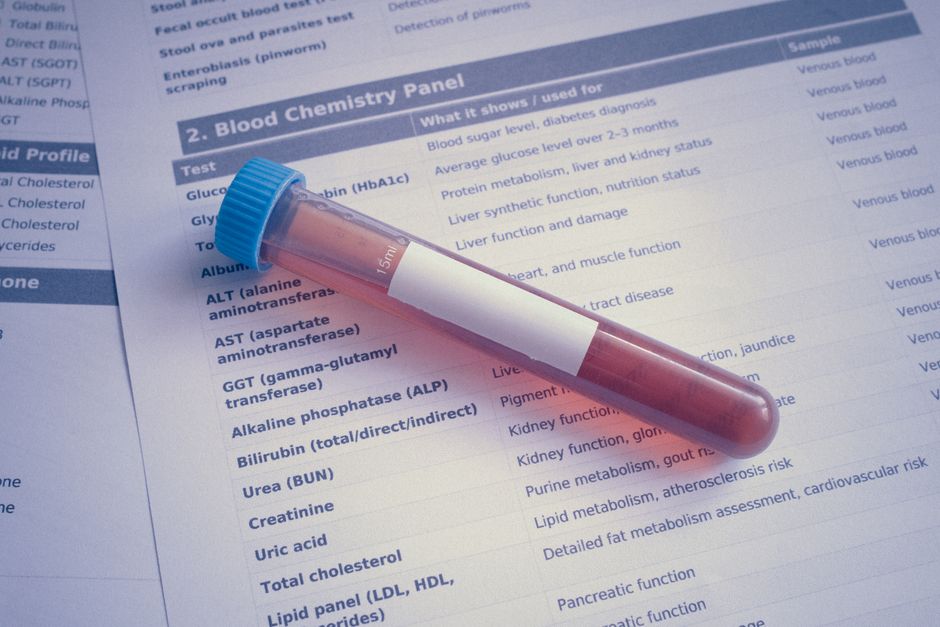
A T3 blood test measures the level of triiodothyronine in your blood. T3 is one of the two main hormones your thyroid gland produces. It helps control your metabolism, heart rate, and body temperature. The “investigation clearance” part usually means this test is part of a broader medical workup—often before surgery, when starting certain medications, or when your doctor is trying to figure out why you have symptoms like fatigue, weight changes, or anxiety. It is a standard diagnostic tool, not a niche or experimental test.
What Exactly Does a T3 Blood Test Measure?
The test measures the amount of T3 circulating in your bloodstream. Your thyroid makes T3 and another hormone called thyroxine (T4). T4 is the storage form. T3 is the active form that your cells actually use. Most T3 in your blood is made from T4 that gets converted in your liver, kidneys, and other tissues.
There are two versions of the T3 test. The total T3 test measures all the T3 in your blood, both the part attached to proteins and the free floating part. The free T3 test measures only the active, unbound hormone. Free T3 is often more useful because it reflects what your body can actually use.
Doctors rarely order a T3 test alone. It is almost always part of a thyroid panel that includes TSH (thyroid stimulating hormone) and T4. TSH is the pituitary hormone that tells your thyroid to work. The combination gives a clearer picture of how your thyroid is functioning.
Why Would a Doctor Order a T3 Investigation Clearance?
The phrase “investigation clearance” means your doctor is using the test to rule out or confirm a thyroid condition before proceeding with another step. This happens in several common situations.
Before surgery: An undiagnosed thyroid problem can complicate anesthesia and recovery. An overactive thyroid raises your heart rate. An underactive thyroid can slow drug clearance. Checking T3 helps the surgical team plan safely.
Before starting certain medications: Some drugs, like lithium or amiodarone, affect thyroid function. A baseline T3 test gives your doctor a starting point to compare against later.
When symptoms point to hyperthyroidism: If you have a rapid heartbeat, unexplained weight loss, sweating, or tremors, your doctor may order T3. In some cases of hyperthyroidism, T3 rises before T4 does.
When TSH is abnormal: If your TSH comes back outside the normal range, a T3 test helps determine the cause. It distinguishes between different types of thyroid dysfunction.
What Do the Results Mean?
Normal ranges vary slightly between laboratories. In general, normal total T3 is roughly 80 to 200 nanograms per deciliter (ng/dL). Normal free T3 is roughly 2.3 to 4.2 picograms per milliliter (pg/mL). Your lab report will list the specific reference range for that lab. Always interpret results against the range on your own report, not a number you find online.
High T3 levels usually indicate hyperthyroidism. This means your thyroid is producing too much hormone. Common causes include Graves’ disease, thyroid nodules, or thyroiditis. Symptoms often include weight loss, rapid heart rate, sweating, and feeling jittery.
Low T3 levels can indicate hypothyroidism, but the picture is more complicated. In early or mild hypothyroidism, T3 often stays normal while TSH rises. Low T3 can also appear in people who are severely ill from non-thyroid conditions. This is called non-thyroidal illness syndrome. In this situation, low T3 does not mean your thyroid is failing—it means your body is conserving energy while fighting illness.
A single abnormal T3 result is not a diagnosis. Your doctor will look at your TSH, T4, symptoms, and possibly imaging or antibody tests before concluding anything.




How Is the Test Performed and Is There Any Risk?
The test is a simple blood draw from a vein in your arm. No fasting is required. No special preparation is needed. You can take your regular medications unless your doctor tells you otherwise.
The risks are minimal. You might feel a brief sting when the needle goes in. Some people get a small bruise at the puncture site. Serious complications like infection or excessive bleeding are very rare.
One important note: biotin supplements can interfere with thyroid blood tests. Biotin is common in hair, skin, and nail supplements. It can cause falsely high or falsely low results depending on the testing method. If you take biotin, tell your doctor before the blood draw. Many labs recommend stopping biotin supplements a few days before thyroid testing.
What Happens After You Get the Results?
Your doctor will explain what the numbers mean in your specific situation. If your T3 is high and your TSH is low, the next step is often an ultrasound of your thyroid or a radioactive iodine uptake test. These help identify the underlying cause.
If your T3 is low and your TSH is high, your doctor will likely diagnose hypothyroidism. Treatment usually involves synthetic thyroid hormone medication. This is a daily pill that replaces what your thyroid is not making.
If your results are borderline, your doctor may repeat the test after a few weeks. Thyroid levels fluctuate. One slightly abnormal reading does not always mean you have a disease.
Mild thyroid test abnormalities without symptoms often require no treatment. Many doctors monitor these cases with periodic blood tests rather than starting medication immediately.
What Is A T3 Investigation Clearance And Blood Test Compared to Other Thyroid Tests?
TSH is the first-line screening test for thyroid disease. It is the most sensitive marker. If your TSH is normal, your thyroid is almost certainly functioning normally. T3 and T4 are second-line tests that help characterize the problem once TSH is abnormal.
The table below shows the typical patterns:
| Condition | TSH | Free T4 | T3 |
|---|---|---|---|
| Hyperthyroidism | Low | High or normal | High |
| Hypothyroidism | High | Low | Low or normal |
| Subclinical hypothyroidism | High | Normal | Normal |
| Non-thyroidal illness | Normal or low | Low or normal | Low |
T3 testing is most valuable when hyperthyroidism is suspected but T4 is normal. Some people have T3-predominant hyperthyroidism. Their T4 looks fine, but T3 is elevated. If your doctor only checked T4, they would miss the diagnosis.
Reverse T3 is a different test that measures an inactive form of T3. It is not part of standard thyroid evaluation. Some alternative medicine practitioners order it, but mainstream endocrinology does not support its routine use for diagnosing thyroid problems.
When Should You Ask Your Doctor About a T3 Test?
You should not request a T3 test on your own. It is a diagnostic tool, not a screening test. But you can ask your doctor about it if you have persistent symptoms that suggest thyroid dysfunction.
Symptoms worth discussing include:
- Unexplained weight loss or gain
- Feeling unusually hot or cold
- Heart palpitations or a racing pulse
- Persistent fatigue or weakness
- Hair thinning or dry skin
- Anxiety, irritability, or depression
- Tremors in your hands
- Trouble sleeping
If you have these symptoms and your TSH came back normal, asking about a full thyroid panel—including free T3—is reasonable. Some thyroid conditions are subtle and do not show up on a TSH test alone.
However, be cautious about online claims that “TSH testing misses most thyroid problems.” That is not accurate. TSH is a reliable screening tool. It misses rare cases, not most cases. If you feel unwell, the answer is to work with your doctor to find the cause—not to assume your thyroid is the problem.
Can You Test Your T3 at Home?
Home blood test kits for thyroid function exist. They involve a finger prick that collects a small blood sample. You mail the sample to a laboratory and get results online.
These kits can measure T3, T4, and TSH. They are generally accurate for the hormones they measure. The limitation is interpretation. A lab result without a doctor’s explanation can cause unnecessary worry or false reassurance. Thyroid diagnosis involves clinical context. Your symptoms, medical history, and physical exam matter as much as the numbers.
If you use a home test and get an abnormal result, take it to your doctor. Do not start any medication based on a home test result alone. Self-treating thyroid conditions can be dangerous.
Frequently Asked Questions
Do I need to fast before a T3 blood test?
No, fasting is not required for a T3 blood test. You can eat and drink normally before the blood draw.
Can biotin supplements affect my T3 test results?
Yes, biotin can interfere with thyroid blood tests and cause inaccurate results. Stop taking biotin supplements a few days before your test if your doctor advises it.
What is a normal T3 level?
Normal total T3 is roughly 80 to 200 ng/dL, and normal free T3 is roughly 2.3 to 4.2 pg/mL. Check your lab report for the specific reference range.
Is a T3 test the same as a thyroid panel?
No, a T3 test measures one hormone. A thyroid panel includes TSH, T4, and often T3 together for a fuller picture.
