
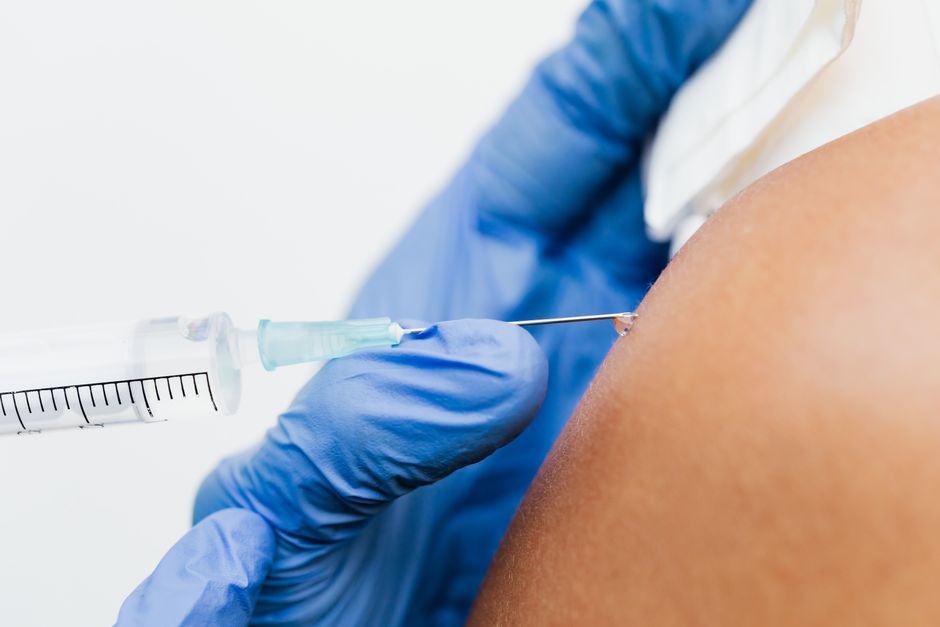
A subq injection — short for subcutaneous injection — is a shot that delivers medication into the fatty layer of tissue just beneath the skin. The word “subcutaneous” literally means “under the skin.” This layer, called subcutaneous fat, sits between your skin and the muscle below it. It has fewer nerve endings than deeper tissue, which is why these injections are often less painful than shots given into a muscle.
Subcutaneous injections are one of the most common ways medications are given at home. People with diabetes use them daily for insulin. Others use them for blood thinners, fertility drugs, and certain autoimmune treatments. The technique is straightforward, but small mistakes in angle, site, or preparation can affect how well the medication works.
What Is A Subq Injection and How Does It Work?
A subcutaneous injection deposits medication into the fat layer beneath the skin. From there, the drug is absorbed into small blood vessels called capillaries and carried into the bloodstream.
This route sits between two other common methods. An intramuscular (IM) injection goes into muscle tissue, which has a rich blood supply and tends to absorb drugs faster. An intravenous (IV) injection goes directly into a vein, delivering the drug immediately. Subcutaneous tissue has less blood flow than muscle, so absorption is generally slower and steadier than an IM shot.
That slower absorption is sometimes exactly the point. A drug that enters the bloodstream gradually can maintain a more stable level in the body over time. This is one reason insulin is commonly given subcutaneously rather than intravenously for routine daily use.
The subcutaneous layer varies in thickness depending on the body area and the person. Common sites include:
- The abdomen, at least two inches away from the navel
- The front and outer sides of the thighs
- The upper outer area of the buttocks
- The upper outer back of the arm
Each site absorbs medication at a slightly different rate. The abdomen generally absorbs fastest. This is why some clinicians recommend rotating between specific sites in a consistent pattern rather than randomly switching.
What Is A Subq Injection Used For?
Subcutaneous injections deliver a wide range of medications. The route is chosen when a drug needs to be absorbed slowly, when it cannot survive the digestive system if swallowed, or when a patient needs to give it at home.
Common examples include:
- Insulin for diabetes management
- Heparin and low-molecular-weight heparins for blood clot prevention and treatment
- Growth hormone for certain growth disorders
- Fertility medications used during assisted reproduction
- Methotrexate for some inflammatory conditions
- Certain biologics for autoimmune diseases like rheumatoid arthritis and Crohn’s disease
- Vaccines — some are given subcutaneously, though many are intramuscular
The specific medication determines the needle size, injection angle, and site. A person giving insulin at home may use a very short, fine needle. Someone injecting a thicker medication may need a different gauge. These details come from the prescribing clinician or pharmacist, not from a general rule.
How Is a Subcutaneous Injection Given?
The basic steps are similar across most subcutaneous medications. The exact technique varies by drug and device, so the instructions that come with the medication always take priority over general guidance.
A typical process looks like this:
- Wash hands thoroughly with soap and water.
- Gather the medication, a new needle and syringe (or a pre-filled pen), and an alcohol swab.
- Check the medication — correct drug, correct dose, not expired, and properly mixed if required.
- Clean the injection site with an alcohol swab and let it dry completely.
- Pinch a fold of skin gently to lift the fat layer away from muscle.
- Insert the needle at the angle specified for that medication — often 45 or 90 degrees, depending on how much fat is at the site and needle length.
- Inject the medication at the rate the instructions specify.
- Withdraw the needle and apply gentle pressure with a clean gauze pad. Do not rub the site unless told to.
- Dispose of the needle in a sharps container immediately.
Needle angle matters. A 90-degree angle is common when there is enough fat to reach. A 45-degree angle is sometimes used for people with less subcutaneous fat, to reduce the chance of hitting muscle. Getting this wrong can mean the drug goes into muscle instead of fat, which can change how fast it is absorbed.
Site rotation is not optional. Injecting the same spot repeatedly can cause lipohypertrophy — a buildup of hardened fat tissue. This changes how medication is absorbed and can make dosing unpredictable. Rotating sites within the recommended areas helps prevent this.





Subcutaneous vs Intramuscular vs Intravenous: What’s the Difference?
These three routes differ mainly in where the needle goes, how fast the drug is absorbed, and how much training is needed to give the injection.
| Route | Where It Goes | Absorption Speed | Typical Setting |
|---|---|---|---|
| Subcutaneous (subq) | Fat layer under the skin | Slower, steadier | Often at home |
| Intramuscular (IM) | Muscle tissue | Faster than subq | Clinic or home |
| Intravenous (IV) | Directly into a vein | Immediate | Usually clinical |
The choice depends on the drug, not preference. Some medications are only effective by one route. Insulin, for example, is not given intravenously for routine daily management because its absorption profile by that route does not match the body’s needs. Conversely, some emergency drugs must go into a vein because minutes matter.
Subcutaneous injections are the most common self-administered route for chronic conditions. That is largely because the technique is teachable, the site is accessible, and the risk of serious bleeding or nerve damage is generally lower than with deeper injections when done correctly.
What Are the Risks and Side Effects?
Most subcutaneous injections cause only minor, temporary reactions. Common ones include redness, swelling, a small bruise, or a bit of soreness at the injection site.
More serious complications are uncommon but possible:
- Infection at the injection site if the skin is not properly cleaned or equipment is reused
- Lipohypertrophy from repeated injections in the same spot
- Bleeding or bruising, especially in people taking blood thinners
- Accidental intramuscular injection if the angle or needle length is wrong
- Allergic reaction to the medication or, rarely, to a component of the formulation
The risk of infection is real but low when proper technique is followed. Using a new needle every time and cleaning the site are the two most important steps. Reusing needles is more common than many people admit, and it increases both infection risk and the chance of a dulled needle causing more tissue damage.
Some medications carry specific warnings that go beyond injection-site issues. Blood thinners, for instance, require extra care to avoid deep bleeding. This is why the prescribing clinician’s instructions matter more than any general article.
What Should You Know Before Giving One at Home?
Subcutaneous injections are widely taught to patients and caregivers, but proper training matters. Most clinics provide hands-on instruction before a person gives their first injection alone.
A few points that are easy to get wrong:
- Do not inject into irritated, scarred, or bruised skin. Absorption is unpredictable there.
- Do not massage the site after injecting unless specifically instructed. It can speed absorption in ways that were not intended.
- Store medication correctly. Some drugs need refrigeration, others must not be frozen, and some must be brought to room temperature before injecting.
- Check the dose every time. “Insulin” pens and syringes come in different concentrations, and mix-ups have caused serious harm.
- Use a sharps container. Needles should never go in regular trash.
If you are unsure about any step — needle angle, site, dose, or what to do if you miss a dose — contact your clinician or pharmacist. Do not guess. The consequences of getting it wrong depend on the drug, and some are serious.
One thing worth clarifying: the term “subq” and “subcutaneous” mean the same thing. You may see “SC,” “SQ,” or “subcut” written on prescriptions or instructions. They all refer to this same route.
Frequently Asked Questions
What does subq mean in medical terms?
Subq is shorthand for subcutaneous, meaning the medication is injected into the fat layer just beneath the skin. It is one of several injection routes, along with intramuscular and intravenous.
Is a subq injection the same as an intramuscular injection?
No. A subq injection goes into the fat layer under the skin, while an intramuscular injection goes into muscle tissue. Muscle has more blood flow, so drugs are generally absorbed faster by the intramuscular route.
How deep does a subcutaneous injection go?
It goes into the subcutaneous fat layer, which sits between the skin and the muscle. The exact depth depends on the needle length and the amount of fat at the injection site, which is why needle size varies by person and medication.
Can you give yourself a subcutaneous injection?
Yes, many subcutaneous medications are designed for at-home self-injection, including insulin and certain blood thinners. Proper training from a clinician or pharmacist is important before doing it on your own.
