
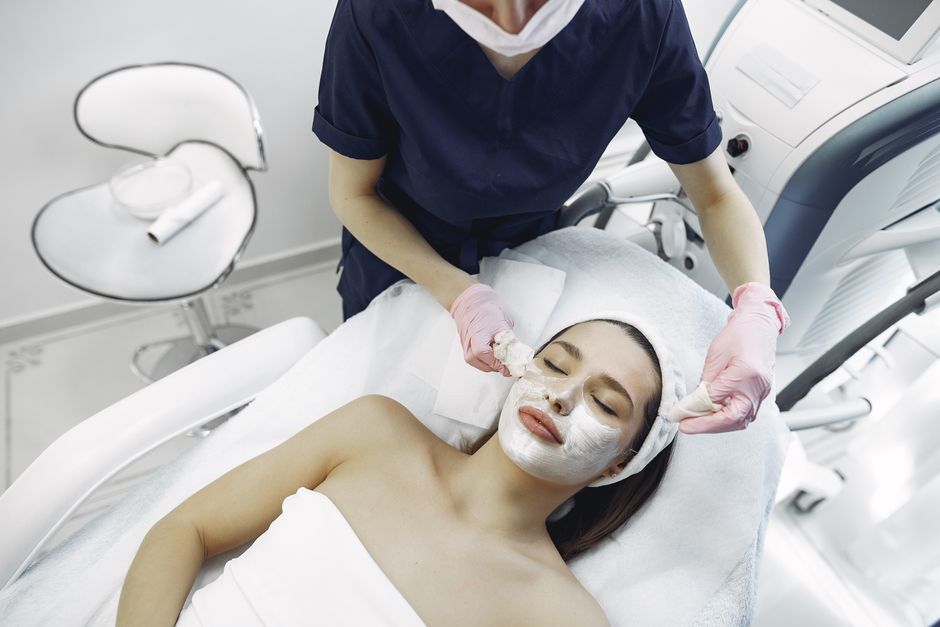
A stem cell facial is a skin treatment that uses products containing stem cells or stem cell extracts. The most common sources are plant stem cells, human fibroblast-conditioned media, or platelet-rich plasma. Costs in the US typically run from about $200 for a basic topical product to more than $1,500 for procedures that involve microneedling or injections. Results are modest and temporary for most versions. No large human trial has confirmed that any stem cell facial reverses aging or permanently changes skin structure.
What Is a Stem Cell Facial and What Does It Actually Contain?
The word “stem cell” on a skincare label rarely means what most people assume. In the vast majority of products, it refers to plant cell extracts. These are grown in labs from plants like apples, grapes, or roses. They are not human stem cells. They cannot become skin cells. What they may do is act as antioxidants or signaling molecules on the skin’s surface.
A smaller number of clinics offer facials using human-derived materials. These fall into a few categories:
- Conditioned media — liquid collected from lab-grown human fibroblasts. It contains growth factors and proteins the cells released.
- Platelet-rich plasma (PRP) — made from your own blood. It is spun in a centrifuge to concentrate platelets and growth factors.
- Exosomes — tiny particles that cells release to communicate. Some clinics market exosome facials, though regulatory status varies.
- Actual stem cell injections — rare in cosmetic facials, and not approved by the FDA for cosmetic skin rejuvenation.
This distinction matters. A topical cream with apple stem cell extract and a procedure that microneedles your own plasma into your face are completely different treatments with different evidence, risks, and prices. The shared name creates confusion.
What Is a Stem Cell Facial Costs Results Safety? A Clear Breakdown
Costs vary widely depending on what is actually being done. A topical stem cell cream sold at a drugstore might cost $30 to $150. A spa facial using a stem cell serum might run $150 to $400. A microneedling session with PRP typically costs $500 to $1,500 per session, and most providers recommend a series.
Results are where marketing and evidence diverge most sharply. For plant stem cell creams, the evidence for visible anti-aging effects is weak. Some lab studies show antioxidant activity, but lab results do not always translate to what happens on human skin. No large controlled trial has shown that these creams reduce wrinkles or tighten skin.
For PRP facials, the picture is somewhat different. PRP contains growth factors from your own blood. Some studies suggest it may improve skin texture and tone when combined with microneedling. The evidence is not strong enough to call it proven. Results vary between people, and improvements tend to be gradual and modest.
Safety depends entirely on the type of treatment:
- Topical plant stem cell products: generally low risk, though allergic reactions are possible.
- Microneedling with PRP: risks include redness, swelling, bruising, infection, and rarely scarring.
- Exosome products: the FDA has warned that some unapproved exosome products have caused serious infections and reactions.
- Injected human stem cells: not FDA-approved for cosmetic use, and unregulated clinics carry real risk.
Do Stem Cell Facials Actually Work?
For most versions sold to consumers, the honest answer is: not in the way the marketing suggests. Stem cells applied to the surface of the skin cannot penetrate deeply enough to replace or regenerate your own skin cells. The outer layer of skin is designed to keep things out.
What can happen is more modest. Growth factors in PRP or conditioned media may stimulate fibroblast activity in the upper layers of skin. Fibroblasts make collagen and elastin. If they are stimulated, skin may look slightly firmer or more even over weeks to months. This is a real biological mechanism, but the clinical evidence for meaningful visible change is limited.
Some studies on microneedling with PRP show improvement in acne scars and skin texture. These studies are often small. Results are measured by before-and-after photos or subjective ratings, which are prone to bias. Larger, blinded trials are needed before anyone can claim this is an established treatment.
One non-obvious point: the microneedling itself may be doing much of the work. Microneedling creates tiny wounds that trigger the skin’s own repair response, including collagen production. PRP may add to that, but separating the two effects in studies is difficult. If you are considering this treatment, ask what the evidence is for the specific combination being offered, not just for PRP or microneedling alone.





How Much Do Stem Cell Facials Cost and What Affects the Price?
Price depends on the type of treatment, the provider’s location, and how many sessions are recommended. A single PRP facial in a major city might cost $800 to $1,500. In smaller markets, it could be $400 to $800. Packages of three sessions often cost $1,800 to $3,500.
Topical stem cell products are far cheaper. A serum or cream might cost $50 to $200. Whether it does anything beyond moisturizing is the question. Many of these products contain other ingredients, like hyaluronic acid or vitamin C, that have better evidence for skin benefits.
Red flags for pricing:
- Claims that one session will produce dramatic, permanent results.
- Prices far below market rate, which may indicate unregulated or counterfeit products.
- Pressure to buy a large package upfront before seeing any results.
- Providers who cannot explain what is in the product or where it came from.
What Are the Risks and Safety Concerns?
Safety is not the same across all stem cell facials. Topical plant-based products carry low risk for most people. The main concern is allergic reaction or irritation, especially if you have sensitive skin.
PRP facials use your own blood, which lowers the risk of allergic reaction or disease transmission. The risks come from the microneedling: infection, scarring, and changes in skin pigmentation. These are uncommon when the procedure is done by a trained provider with sterile equipment, but they are real.
Exosome products are a bigger concern. The FDA has issued warnings about unapproved exosome products after reports of serious adverse events, including infections. The regulatory status of these products is unsettled, and some clinics are using them without clear evidence of safety.
Injected human stem cells for cosmetic purposes are not approved by the FDA. Clinics offering these treatments are operating outside standard regulatory pathways. The risks include infection, immune reaction, and unpredictable tissue changes. No reliable evidence supports this use.
If you are pregnant, breastfeeding, or have an autoimmune condition, talk to a doctor before any procedure that involves injections or blood products. No clinical guidelines specifically address stem cell facials for these groups.
How Do Stem Cell Facials Compare to Other Skin Treatments?
Other treatments have stronger evidence for improving skin appearance. Retinoids, for example, are among the most studied topical ingredients for reducing fine lines and improving skin texture. Sunscreen prevents further damage. These are not exciting, but they work.
For procedures, lasers and chemical peels have decades of clinical data behind them. Microneedling alone has evidence for scars and texture. PRP adds cost and may add benefit, but the evidence is not as strong as the marketing implies.
If your goal is firmer, more even skin, the most reliable path is consistent sun protection, proven topical ingredients, and procedures with established track records. Stem cell facials are not useless, but they are not the breakthrough they are often sold as. They are one option among many, with modest evidence and variable results.
Frequently Asked Questions
Are stem cell facials safe?
Topical plant-based stem cell products are generally low risk, but injected or exosome-based treatments carry more serious concerns. The FDA has warned about unapproved exosome products causing infections and reactions.
How much does a stem cell facial cost?
Costs range from about $30 for a topical cream to $1,500 or more for a PRP facial with microneedling. Packages of multiple sessions often cost $1,800 to $3,500.
Do stem cell facials really work?
No large trial has shown that stem cell facials reverse aging or permanently change skin. Some evidence suggests PRP with microneedling may improve texture modestly, but results vary and are not guaranteed.
Can stem cells in a cream replace skin cells?
No. Stem cells applied to the skin’s surface cannot penetrate deeply enough to replace your own cells. Plant stem cells in creams act as antioxidants at most, not as replacement cells.
