
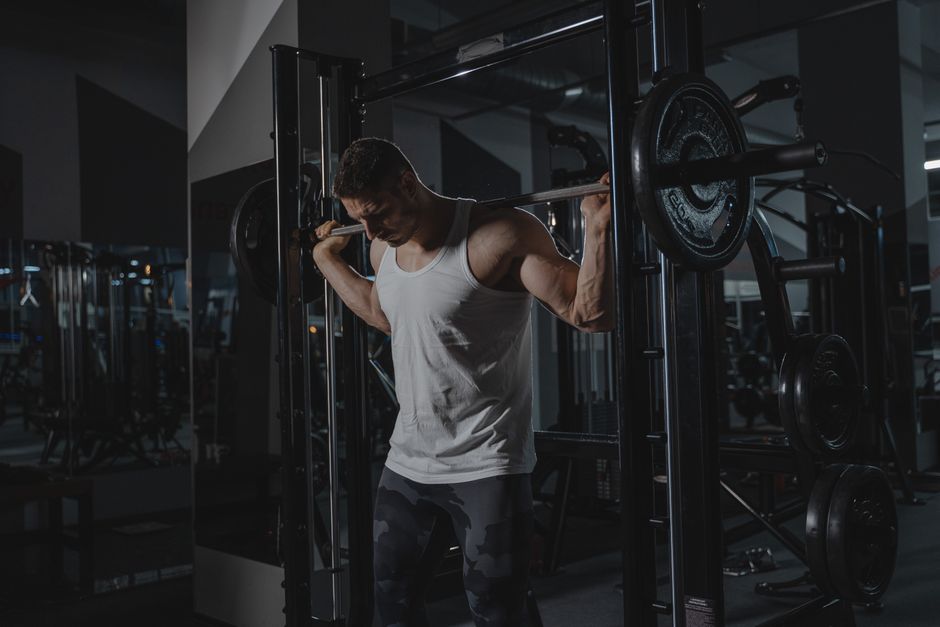
A squat workout is a strength training session built around the squat pattern—a movement where you lower your hips toward the ground by bending your knees and hips, then drive back up to standing. It is one of the most fundamental human movements and a core exercise for building lower body strength. The workout itself can range from bodyweight-only repetitions to heavy barbell lifting, depending on your experience and goals.
What Muscles Does a Squat Workout Target?
A squat is a compound exercise, meaning it works multiple muscle groups at the same time. This makes it highly efficient for building strength and muscle compared to isolation exercises like leg extensions or hamstring curls.
The primary muscles involved are the quadriceps, which run along the front of your thigh, and the gluteus maximus, the large muscle of your buttocks. These muscles extend the knee and hip joints as you stand up from the bottom of the squat.
Several other muscles act as stabilizers and secondary movers. The hamstrings at the back of the thigh help control the descent and assist in hip extension. The adductors, or inner thigh muscles, help stabilize the movement. Your core muscles, including the abdominals and lower back, work continuously to keep your spine neutral and your torso upright. The calves also engage to maintain balance.
What Are the Primary Benefits of a Squat Workout?
Research consistently shows that squatting builds muscle mass and strength in the lower body more effectively than many other exercises. Because it requires coordination across multiple joints, it also improves balance and mobility.
Beyond muscle growth, squats are a functional exercise. The movement pattern mimics everyday actions like sitting down in a chair, picking up a child, or lifting a heavy box from the floor. Strengthening this pattern can make daily activities easier and reduce the risk of injury during those tasks.
There is also evidence that lower body strength is linked to overall health. Studies have found that stronger legs are associated with better mobility in older age and a lower risk of falls. Regular resistance training, including squats, helps maintain bone density, which is particularly important for women after menopause.
How Do You Perform a Squat With Correct Form?
Proper form is essential for both effectiveness and safety. A poor squat pattern can put unnecessary stress on the knees and lower back.
Start by standing with your feet about shoulder-width apart. Your toes can point slightly outward. Brace your core as if you are about to be punched in the stomach. Initiate the movement by pushing your hips back and bending your knees, as if you are sitting back into a chair that is slightly behind you.
Lower your body until your thighs are at least parallel to the floor, if you have the mobility to do so. Keep your chest up and your back straight. Your knees should track in the same direction as your toes and should not cave inward. Press through your entire foot, especially your heels, to return to the starting position.
For a bodyweight squat, your arms can extend straight out in front of you for balance. For a barbell back squat, the bar rests across your upper back. For a goblet squat, you hold a dumbbell or kettlebell against your chest, which can make it easier for beginners to stay upright.
A common mistake is letting the knees collapse inward. Another is rounding the lower back at the bottom of the movement, which shifts stress to the spine. If you cannot keep your back straight while reaching parallel depth, reduce your range of motion or practice with a lighter load.


What Is the Difference Between Bodyweight and Weighted Squats?
Bodyweight squats are an excellent starting point. They teach the movement pattern and build a baseline of strength and endurance. They are also accessible because they require no equipment.
Weighted squats, using a barbell, dumbbells, or a kettlebell, are necessary for continued strength gains. Once you can perform more than 20 or 25 bodyweight squats with perfect form, the exercise becomes less of a strength challenge and more of an endurance challenge. To build more muscle and strength, you need to add external resistance.
The barbell back squat is considered the gold standard for lower body strength. It allows you to load the movement with significant weight. However, it requires good mobility in the ankles, hips, and thoracic spine to perform safely. If you are new to weighted squats, working with a qualified coach or trainer to learn the technique is strongly recommended.
How Often Should You Do a Squat Workout?
For most people, two to three squat sessions per week is effective. This frequency allows for adequate recovery between sessions while providing enough stimulus for muscle growth.
Muscle protein synthesis, the process by which the body repairs and builds muscle tissue, is elevated for roughly 24 to 48 hours after a strength workout. Training the same muscle group too frequently without rest can lead to overtraining and injury. Training it too rarely slows progress.
A simple schedule might involve a full lower body workout on Monday and another on Thursday. If you are doing a full-body workout each session, you might squat on Monday, Wednesday, and Friday. The key is to ensure you have at least one full rest day between sessions that heavily target the same muscles.
Can a Squat Workout Cause Knee Pain?
Squats are often blamed for knee pain, but when performed correctly, they are generally safe for healthy knees. In fact, strengthening the muscles around the knee can help protect the joint.
Knee pain during squats is often a form issue rather than an inherent problem with the exercise. Letting the knees cave inward is a common culprit. Another is having the knees travel too far forward over the toes, which can increase stress on the knee joint, although some forward travel is normal and necessary.
If you experience sharp pain in the front of the knee, it may indicate patellofemoral pain syndrome, often called runner’s knee. This condition can be aggravated by deep squatting. If you have a pre-existing knee condition, consult with a physical therapist or doctor before starting a squat program. They can assess your movement pattern and recommend appropriate modifications, such as reducing depth or using a box to squat onto.
Are There Different Types of Squats?
There are many variations of the squat, each with a slightly different emphasis. Choosing the right one depends on your goals, experience, and mobility.
- Back Squat: The bar is on your upper back. This variation allows for the heaviest loads and is a staple in strength sports.
- Front Squat: The bar rests on the front of your shoulders. This position puts more emphasis on the quadriceps and requires a more upright torso.
- Goblet Squat: You hold a dumbbell or kettlebell vertically against your chest. This is an excellent teaching tool for beginners because the weight position encourages an upright posture.
- Box Squat: You squat down to sit on a box or bench, then stand back up. This variation teaches proper depth and helps build strength out of the bottom position.
- Pistol Squat: A single-leg squat where you extend the opposite leg forward. This is a highly advanced movement requiring significant strength and balance.
How Many Reps and Sets Should You Do?
The ideal rep range depends on your primary goal. For pure strength, lower repetitions with heavier weight are more effective. For muscle growth, moderate repetitions are standard.
If your goal is building maximal strength, performing 3 to 5 sets of 3 to 6 repetitions with a heavy load is a common approach. If your goal is building muscle size, known as hypertrophy, 3 to 4 sets of 8 to 12 repetitions is a widely used guideline. For muscular endurance, you might do 2 to 3 sets of 15 or more repetitions with a lighter weight.
These are general training principles, not strict rules. The most important factor is that you are challenging yourself. The last few repetitions of each set should be difficult to complete with good form.
Frequently Asked Questions
Are squats safe for beginners?
Yes, bodyweight squats are safe for most beginners when performed with proper form. Start with a shallow range of motion and gradually increase depth as your mobility improves.
How many squats should I do a day?
This depends on your fitness level and goal, but a good starting point is 3 sets of 10 to 15 repetitions. Focus on quality of movement rather than hitting a specific daily number.
Will squats make my legs bulky?
For most people, especially women, building large leg muscles is difficult and requires years of specific heavy training and high calorie intake. Squats will primarily tone and strengthen your legs.
Do squats help you lose belly fat?
No single exercise targets belly fat specifically. Squats build muscle, which raises your metabolism, but losing belly fat requires an overall calorie deficit through diet and full-body exercise.
