
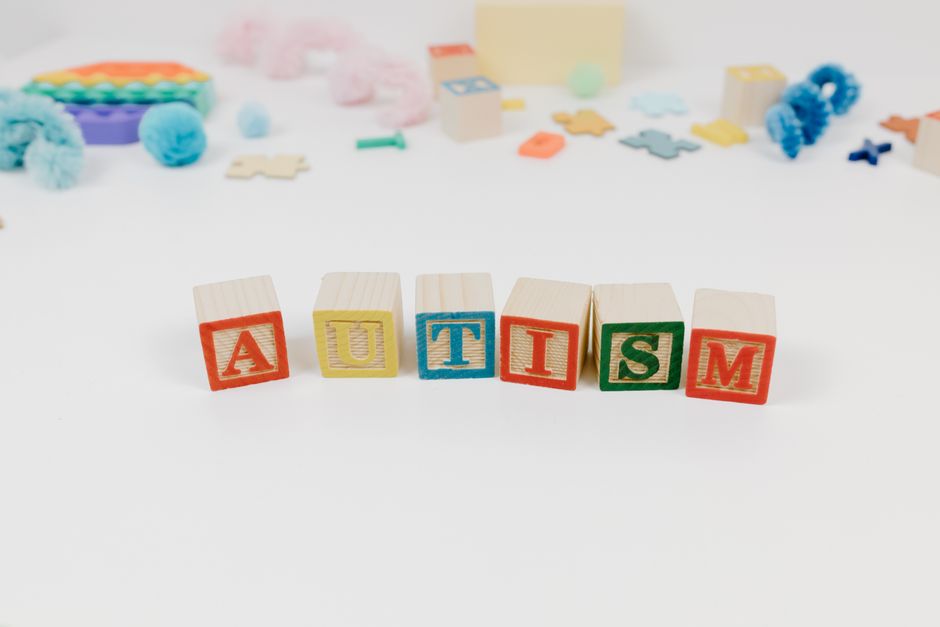
“Spectrum child” is a term parents often encounter when a child receives an autism diagnosis. It refers to a child on the autism spectrum — a developmental condition that affects how a child communicates, interacts with others, and processes the world around them. The word “spectrum” is used because autism looks very different from one child to the next, ranging from mild to profound support needs.
What Is A Spectrum Child Autism Signs Support?
Autism spectrum disorder (ASD) is a developmental condition that affects communication, social interaction, and behavior. It is called a “spectrum” because it presents differently in every person — some children speak fluently while others are nonverbal, some need minimal support while others need significant daily assistance.
The term “spectrum child” is not a clinical diagnosis. It is a shorthand way of saying a child has been identified as autistic and falls somewhere on that spectrum. The clinical diagnosis is autism spectrum disorder, and it is defined in the Diagnostic and Statistical Manual of Mental Disorders (DSM-5), which is the standard reference used by clinicians in the United States.
Autism is not a disease. It is a neurological difference that is present from early development. It is not caused by parenting, vaccines, or diet — those claims have been studied extensively and are not supported by evidence.
How Common Is Autism And What Causes It?
Autism is diagnosed in roughly 1 in 36 children in the United States, according to current surveillance data from the Centers for Disease Control and Prevention. That number has risen over the past two decades, though researchers debate how much of the increase reflects better awareness and broader diagnostic criteria versus an actual rise in occurrence.
The causes of autism are not fully understood. What is well established is that autism has a strong genetic component. Research consistently shows that autism tends to run in families, and hundreds of genes have been linked to its development. Environmental factors during pregnancy — such as certain infections or exposure to specific medications — have been studied as possible contributors, but the evidence is mixed and no single cause has been identified.
What is not supported by evidence:
- Vaccines do not cause autism. This has been studied in large populations across multiple countries, and no link has been found.
- Poor parenting does not cause autism. This theory was proposed decades ago and has been thoroughly disproven.
- Diet during pregnancy has not been confirmed to cause autism. Some research has explored associations, but no causal link has been established.
Autism is a difference in brain development, not something a parent did or did not do.
What Are The Early Signs Of Autism In A Child?
Signs of autism typically appear in the first two years of life. Some children show differences in the first few months, while others develop typically at first and then lose skills or plateau around 18 to 24 months.
Early signs often fall into a few categories:
Social communication:
- Does not respond to their name by 12 months
- Does not point at objects to show interest by 14 months
- Does not play pretend games by 18 months
- Avoids eye contact or makes limited eye contact
- Does not seem to hear you at times, even though hearing has been tested
Repetitive behaviors and restricted interests:
- Lines up toys or objects in a specific way and gets upset if the order changes
- Repeats words or phrases (called echolalia)
- Flaps hands, rocks their body, or spins in circles
- Has intense interest in a narrow topic
- Needs routines to stay exactly the same
Sensory differences:
- Extreme reactions to sounds, textures, lights, or smells
- Seeks out certain sensory input — spinning, crashing into things, or touching everything
- Picky eating related to texture or color rather than taste
Not every child who shows one or two of these signs has autism. Many young children go through phases that look similar. The pattern and persistence of these signs matter more than any single behavior.





How Is Autism Diagnosed?
There is no blood test or brain scan that can diagnose autism. Diagnosis is based on behavioral evaluation by a qualified clinician — typically a developmental pediatrician, child psychologist, or a team that may include speech and occupational therapists.
The evaluation usually involves:
- Developmental history from parents or caregivers
- Direct observation of the child’s play, communication, and social behavior
- Standardized screening tools and checklists
- Hearing and vision tests to rule out other explanations
The American Academy of Pediatrics recommends developmental screening at 9, 18, and 30 months, with autism-specific screening at 18 and 24 months. If a concern is identified, the child is typically referred for a more thorough evaluation.
Wait times for evaluation can be long in many parts of the US. Some families wait months. If you have concerns, it is reasonable to ask your pediatrician about a referral early rather than waiting to see if the child “grows out of it.” Early support tends to be more effective than waiting.
What Support Looks Like For A Spectrum Child
Support for an autistic child is not one-size-fits-all. It depends on the child’s specific needs, strengths, and challenges. The goal of most support is not to “fix” autism but to help the child communicate, learn, and participate in daily life in ways that work for them.
Common types of support include:
- Speech and language therapy — helps with communication skills, whether the child is nonverbal, uses few words, or needs help with conversation
- Occupational therapy — addresses sensory processing, fine motor skills, and daily activities like dressing or eating
- Behavioral therapy — approaches like Applied Behavior Analysis (ABA) are widely used, though the evidence on long-term outcomes varies and some autistic adults have raised concerns about certain methods
- Early intervention programs — federally funded services for children under 3 in most states
- Individualized Education Programs (IEPs) — for school-age children, these outline accommodations and services in public schools
- Parent training and coaching — helps caregivers understand their child’s needs and respond effectively
One important point: the evidence for any single intervention is not as strong as many programs claim. Different children respond differently, and there is no universally “best” approach. The most reliable guide is whether the child is making meaningful progress in communication, daily living, and quality of life — and whether the child seems distressed by the approach.
Some autistic adults have described certain therapies as harmful, particularly those that focus on suppressing natural behaviors like stimming (repetitive movements that can help with self-regulation). This is an area where the field is still evolving, and the perspectives of autistic people themselves are increasingly part of the conversation.
What Parents Should Know About Long-Term Outlook
The long-term outlook for an autistic child varies widely. Some children grow into adults who live independently, work, and have relationships. Others need ongoing support throughout their lives. There is no way to predict with certainty which path a specific child will take.
What research does suggest is that early identification and support are associated with better outcomes in communication and adaptive skills for many children. But “better outcomes” does not mean the same thing for every child, and progress is not linear.
Parents often face pressure to try many interventions at once. That can be overwhelming for both the child and the family. It is reasonable to focus on a few priorities at a time and to ask providers what the evidence actually supports.
Autism is a lifelong condition. It does not go away with age. But skills can develop, challenges can be managed, and quality of life can improve — for the child and for the family.
Frequently Asked Questions
What does “spectrum child” mean?
“Spectrum child” is an informal term for a child diagnosed with autism spectrum disorder. It reflects that autism affects each child differently, with a wide range of strengths and support needs.
At what age can autism be diagnosed?
Autism can be reliably diagnosed by 18 to 24 months in many children, and some signs appear even earlier. However, many children are not diagnosed until preschool or later, especially when signs are subtle.
Can a child be autistic and still talk?
Yes. Many autistic children develop spoken language, sometimes at the expected age. Others may have delayed speech or remain nonverbal, which is why autism is described as a spectrum.
Do vaccines cause autism?
No. Large studies across multiple countries have found no link between vaccines and autism. This claim originated from a study that was later retracted and discredited.
