
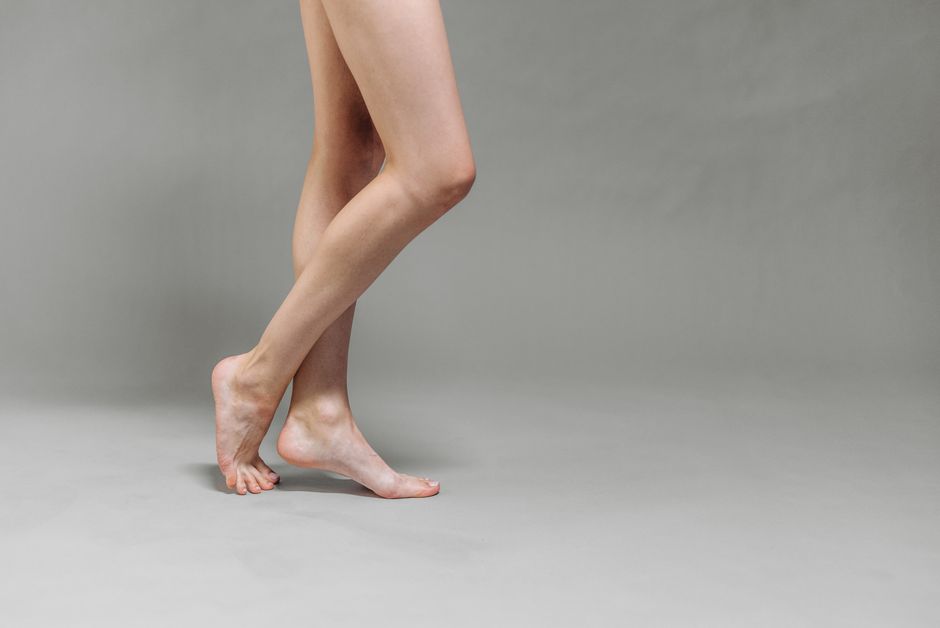
Swollen ankles are a common sign that fluid has built up in your lower legs, a condition doctors call peripheral edema. This swelling happens when tiny blood vessels leak fluid into the tissues around your ankles and feet. While occasional puffiness after a long day or a salty meal is normal, persistent swelling can point to underlying health issues that deserve attention.
What Causes Swollen Ankles in the First Place?
Your ankles swell when gravity pulls fluid down to your feet and the fluid does not drain back up as it should. This can happen for many reasons. Some are simple and temporary. Others need medical care.
The most common causes include standing or sitting for long periods. Think of a long flight or a day on your feet at work. Heat also causes blood vessels to expand, which lets more fluid leak out. A high-salt meal does the same thing by making your body hold onto water.
Pregnancy causes swelling because the body produces more blood and fluids, and the growing uterus presses on veins. This is normal but should still be mentioned to your doctor. Being overweight puts extra pressure on leg veins, making it harder for blood to return to the heart.
Certain medications can cause swelling too. These include blood pressure drugs called calcium channel blockers, steroids, antidepressants, and hormone therapies. If you started a new medicine and noticed swelling, talk to your pharmacist or doctor.
What Is A Sign Of Swollen Ankles That Should Worry You?
Most swollen ankles are not an emergency. But some signs mean you should see a doctor soon. The key is to look at what else is happening with your body.
One serious sign is swelling in only one leg, especially if it comes with pain, warmth, or redness. This can point to a deep vein thrombosis, or DVT. That is a blood clot in a deep vein. The CDC reports that DVT affects up to 900,000 people in the US each year. If you have these symptoms, get medical help right away.
Another warning sign is shortness of breath with swelling in both legs. This can mean your heart is not pumping blood as well as it should. Fluid backs up into your body, and your lungs may also fill with fluid. The American Heart Association notes that leg swelling is a common symptom of heart failure.
Swelling that does not go down after you rest with your feet up overnight is also worth a call to your doctor. So is swelling that comes with skin changes. If your skin looks tight, shiny, or starts to pit when you press on it, that is pitting edema. A deep pit that stays for a few seconds means more fluid is present.
If the swelling comes with fever, sudden weight gain, or less urine than normal, these are signs your kidneys or liver may be involved. None of these are things to ignore.
How Do Doctors Find the Cause of Swollen Ankles?
Your doctor will start by asking questions and doing a physical exam. They will press on your ankle to see if it pits and measure how far the swelling goes up your leg. They will also check your blood pressure and listen to your heart and lungs.
Blood tests are common. Your doctor may order a complete blood count, tests for kidney and liver function, and a test called BNP that checks for heart strain. A urine test can show if your kidneys are leaking protein, which happens with kidney disease.
If the swelling is in one leg only, your doctor will likely order an ultrasound. This is the best way to find a blood clot. The test is painless and uses sound waves to look at blood flow in your veins.
Sometimes doctors use an echocardiogram to see how well your heart pumps blood. This is an ultrasound of your heart. If your doctor suspects liver disease, they may order imaging of your abdomen. The right test depends on your other symptoms and your medical history.




What Actually Helps Reduce Swollen Ankles?
For simple swelling from sitting, standing, or heat, the fixes are straightforward. The most effective thing is to put your feet up above the level of your heart. This helps gravity pull fluid back into your body. Aim for 15 to 30 minutes, three or four times a day.
Moving your legs helps too. When your calf muscles contract, they push blood back toward your heart. Walking, ankle pumps, and calf stretches all help. If you sit at a desk, get up every hour and walk for a few minutes.
Cutting back on salt makes a real difference. The Dietary Guidelines for Americans recommend no more than 2,300 milligrams of sodium per day. Most Americans eat closer to 3,400 milligrams. Less salt means less fluid retention. This is one of the few dietary changes with solid evidence behind it for reducing swelling.
Compression socks can help. They gently squeeze your legs to keep fluid from pooling. Studies published in medical journals show they reduce swelling in people who stand for long hours and in people with venous insufficiency. The key is getting the right compression level. Mild compression of 15 to 20 mmHg works for most people. Your doctor can tell you what is right for you.
Drinking more water seems counterintuitive, but it helps. When you are dehydrated, your body holds onto water. Staying hydrated tells your body it can let go of extra fluid.
| Cause of Swelling | Best Initial Step | When to See a Doctor |
|---|---|---|
| Standing or sitting too long | Elevate legs, move around | If swelling persists after rest |
| High salt intake | Reduce sodium, drink water | If swelling does not improve in a few days |
| Pregnancy | Elevate legs, drink water | If sudden or severe, or with headache |
| One-sided swelling with pain | Do not massage. See doctor immediately. | Emergency. Could be DVT. |
| Swelling with shortness of breath | See doctor or ER right away | Emergency. Could be heart failure. |
What Treatments Do Doctors Prescribe for Chronic Swelling?
When swelling is caused by a medical condition, treating that condition is the priority. For heart failure, doctors prescribe diuretics, also called water pills. These help your kidneys remove extra fluid. Research published in the New England Journal of Medicine shows that diuretics are effective for symptom relief in heart failure, but they do not cure the underlying problem.
For venous insufficiency, where the valves in your leg veins do not work well, treatment focuses on compression. Prescription-strength compression stockings are often the first line of treatment. Some people need procedures like vein ablation, where a doctor closes off a damaged vein so blood reroutes to healthier ones.
For lymphedema, a condition where lymph fluid builds up, treatment includes specialized massage, compression bandaging, and exercise. This is a chronic condition that requires ongoing management with a specialist.
For kidney disease, treatment includes managing blood pressure, reducing protein in the urine, and sometimes using diuretics. For liver disease, reducing salt and using diuretics are common. In all cases, the swelling is a symptom, not the disease itself. Treating the swelling alone without addressing the root cause does not help in the long run.
What Habits Can Prevent Swollen Ankles?
Prevention depends on your risk factors. If you stand or sit for work, take movement breaks. Set a timer if you need to. Do ankle circles and toe raises while seated. If you travel, wear compression socks on long flights. The American College of Chest Physicians recommends this for anyone at risk of DVT.
Watch your salt intake. Cook more at home where you control the salt shaker. Processed foods, restaurant meals, and fast food are where most sodium hides. Cutting back on these is the single most effective dietary change for preventing fluid retention.
Stay active. Regular walking improves circulation in your legs. Even 20 minutes a day makes a difference. If you have varicose veins or a history of leg swelling, exercise is even more important.
Maintain a healthy weight. Extra weight puts pressure on your leg veins and makes it harder for blood to return to your heart. Losing even 5 to 10 percent of your body weight can improve symptoms if you are overweight.
Elevate your legs at the end of the day. Make it a habit. Ten minutes with your feet up while you watch TV or read is simple and effective. You do not need to be horizontal. Just get your feet above your hips.
What Common Misconceptions About Swollen Ankles Should You Ignore?
One common myth is that swollen ankles always mean you drink too much water. This is not true. As mentioned, dehydration actually makes your body hold onto fluid. Drinking enough water helps your kidneys flush out excess sodium and fluid.
Another myth is that soaking your feet in hot water helps. Heat actually makes blood vessels expand, which can increase swelling. Cool water or a cold compress is better if you want immediate relief. But do not use ice directly on the skin for more than 15 minutes.
Some people believe that massaging a swollen leg is always safe. It is not. If you have a blood clot, massaging can dislodge it and send it to your lungs. This is a pulmonary embolism and it can be fatal. Never massage a leg that is swollen and painful unless a doctor has ruled out DVT.
There is also a belief that swelling always means kidney problems. While kidney disease can cause swelling, it is far from the most common cause. Heart failure, venous insufficiency, medications, and lifestyle factors are all more common. Let your doctor do the testing rather than assuming the cause yourself.
Finally, some people think compression socks are only for elderly people. This is not true. Athletes, pregnant women, people who stand for work, and travelers all benefit from them. They are a tool, not a sign of frailty.
Frequently Asked Questions
Can swollen ankles be a sign of heart problems?
Yes. Swelling in both ankles along with shortness of breath, fatigue, or weight gain can signal heart failure. This happens when the heart cannot pump blood efficiently, causing fluid to back up in the body.
How do I know if my ankle swelling is serious?
Swelling in only one leg with pain or redness is serious and could be a blood clot. Swelling with chest pain, trouble breathing, or fever also needs immediate medical attention. Swelling that does not improve after a few days of rest should be evaluated by a doctor.
Does drinking more water help reduce swollen ankles?
Yes, staying hydrated helps your kidneys flush out excess sodium and fluid. When you are dehydrated, your body holds onto water, which can make swelling worse. Drink enough water so your urine is light yellow.
What is the fastest way to reduce ankle swelling at home?
Elevate your legs above heart level for 15 to 30 minutes. Move your ankles in circles and flex your feet to pump fluid out. Apply a cold compress for 15 minutes. Cut salt from your next meal. These steps work together to reduce swelling quickly.
