

A radio frequency facial is a non-surgical skin treatment that uses energy waves to heat the deeper layers of your skin. That controlled heat is meant to trigger collagen production and, in theory, firm and tighten the skin over time. It is a real, established cosmetic procedure — not a fringe trend — but the strength of the evidence and the size of the results vary a lot depending on the device, the setting, and who is doing it.
If you have seen before-and-after photos online, it helps to know what the treatment actually does, what it can and cannot fix, and where the marketing tends to run ahead of the science.
What Is A Radio Frequency Facial For Skin Tightening?
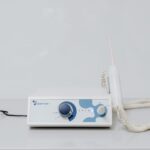
It is a procedure that delivers radio frequency (RF) energy into the skin to produce gentle heating. Radio frequency is a form of electromagnetic energy, the same broad category that includes the waves used in microwaves and radio broadcasts. In a cosmetic setting, the energy is applied through a handpiece that touches or hovers just above your skin.
The heat targets the dermis — the middle layer of skin that holds collagen and elastin, the proteins that give skin its structure and bounce. Collagen is a protein that acts like scaffolding. As we age, we make less of it and existing collagen breaks down, which contributes to sagging and looseness.
The idea behind RF is that controlled heat causes existing collagen fibers to contract and prompts the skin to build new collagen over the following weeks and months. That second part — new collagen formation — is a well-documented wound-healing and remodeling response. Whether it produces visible tightening in any given person is a separate question, and one where the evidence is more modest than advertisements suggest.
How Does A Radio Frequency Facial Actually Work?
The treatment works by heating tissue to a temperature that is high enough to stimulate a repair response but low enough to avoid burning the surface. A typical session lasts roughly 30 to 60 minutes, depending on the device and the area treated.
There are two broad categories you will encounter:
- Monopolar and bipolar RF — the more common in-office devices. They penetrate to different depths and are used for skin tightening and wrinkle reduction.
- Fractional RF — delivers energy in a pattern of tiny dots, which can create controlled micro-injuries. This is often marketed for texture and scarring.
Most RF facials are described as comfortable rather than painful. You may feel warmth, and some devices include cooling to protect the surface of the skin. Redness afterward is common and usually settles within hours to a day or so.
One clarification that gets lost in marketing: RF does not “melt fat” on the face in any meaningful cosmetic sense, and it does not replace a surgical lift. The tightening effect, when it happens, is gradual and modest.
Does Radio Frequency Skin Tightening Really Work?
The evidence is real but should be read carefully. Some studies suggest RF can improve skin laxity and the appearance of wrinkles, particularly on the face and neck, and it has a long history of use in dermatology and aesthetic practice. But results are inconsistent across studies, and many trials are small, short, or funded by device makers.
What this means practically: some people see a visible firming effect, others see little change, and the difference is hard to predict in advance. Results tend to be subtle rather than dramatic. Anyone promising a “non-surgical facelift” is overselling what the technology reliably delivers.
It is also worth knowing that RF is used in medicine well beyond cosmetics. It has established roles in certain cardiac procedures and in treating some skin conditions. That tells you the energy itself is well understood — it does not tell you that a cosmetic facial produces a large tightening effect.




Who Is A Good Candidate — And Who Is Not?
RF facials tend to be pitched to people with mild to moderate skin laxity who want a modest improvement without surgery. Younger skin with good elasticity is less likely to show much change, because there is less laxity to address in the first place.
RF is generally not designed for significant sagging or deep folds. For substantial loose skin, surgical options remain the most effective approach, and no non-invasive device has been shown to match them.
People who should be cautious or avoid RF include:
- Anyone who is pregnant or breastfeeding — no clinical guidelines establish safety for these groups, so most providers decline to treat.
- People with implanted electronic devices such as pacemakers or defibrillators, given the electrical nature of the treatment.
- People with active skin infections, open wounds, or certain skin conditions in the treatment area.
- Anyone with a history of poor wound healing or keloid scarring.
If you have a metal implant in the treatment area, ask the provider directly. Practice varies by device, and this is a question for the clinician, not a general article.
What Are The Risks And Side Effects?
When performed by a trained provider with appropriate settings, RF facials are generally well tolerated. The most common side effects are temporary redness, warmth, and mild swelling.
More serious complications are uncommon but possible. These include burns, blistering, and changes in skin pigmentation. The risk rises with higher energy settings, inadequate cooling, and treatment by someone without proper training.
The skill of the operator matters more than most marketing admits. The same device can produce a good result or a burn depending on who is holding it and how it is set. That is a strong argument for choosing a qualified clinician — typically a dermatologist, plastic surgeon, or a trained aesthetic professional working under appropriate supervision — over a spa deal with no clear credentials.
How Many Sessions Do You Need, And How Long Do Results Last?
Most protocols call for a series of sessions rather than a single treatment. The exact number depends on the device and your goals, and providers commonly recommend somewhere in the range of several sessions spaced a few weeks apart. Because there is no single standard across devices, treat any specific number as device- and provider-specific rather than a universal rule.
Collagen remodeling takes time. Any improvement typically appears gradually over weeks to a few months after treatment, not immediately. That timeline reflects how the body builds new collagen, and it is consistent across the field.
Results are not permanent. Because your skin keeps aging and collagen keeps breaking down, the effect fades over time. Maintenance sessions are often suggested, though the evidence for exactly how often is not firmly established — practice varies.
How Does It Compare To Other Skin Tightening Options?
RF is one of several non-invasive approaches, and they are not interchangeable. Here is a plain comparison of the main categories:
| Approach | How it works | What to know |
|---|---|---|
| Radio frequency | Heats deeper skin to stimulate collagen | Gradual, modest tightening; results vary |
| Ultrasound (HIFU-type) | Focused energy to deeper layers | Also modest; skill-dependent |
| Laser and light | Targets surface texture and pigment | Better for texture and tone than lifting |
| Injectables | Fill volume or relax muscles | Address different concerns than laxity |
| Surgical lift | Removes and repositions tissue | Most effective for significant sagging; involves surgery and recovery |
No non-invasive device has been shown to match surgery for significant laxity. Each option also carries its own risks and recovery time. A consultation is the right place to match a treatment to your specific concern — not a single article, and not a sales page.
What Should You Ask Before Booking?
Ask what device will be used and whether the person treating you is trained and licensed for it. Ask how many sessions are recommended, what results are realistic, and what the total cost will be. Ask about risks specific to your skin type and medical history.
A provider who gives you honest, measured expectations — subtle improvement, gradual onset, not permanent — is more trustworthy than one who promises a dramatic transformation. If the pitch sounds too good, it usually is.
Frequently Asked Questions
Is a radio frequency facial painful?
Most people describe it as warm rather than painful, and many devices include cooling to protect the skin surface. Some discomfort is possible at higher settings.
How long does it take to see results from RF skin tightening?
Improvement usually appears gradually over weeks to a few months as new collagen forms. Results are typically subtle, not immediate.
Can radio frequency facials replace a facelift?
No. No non-invasive device has been shown to match surgery for significant skin laxity, and RF results are modest by comparison.
Is a radio frequency facial safe during pregnancy?
No clinical guidelines establish safety during pregnancy or breastfeeding, so most providers decline to treat. Ask your clinician before considering it.
