
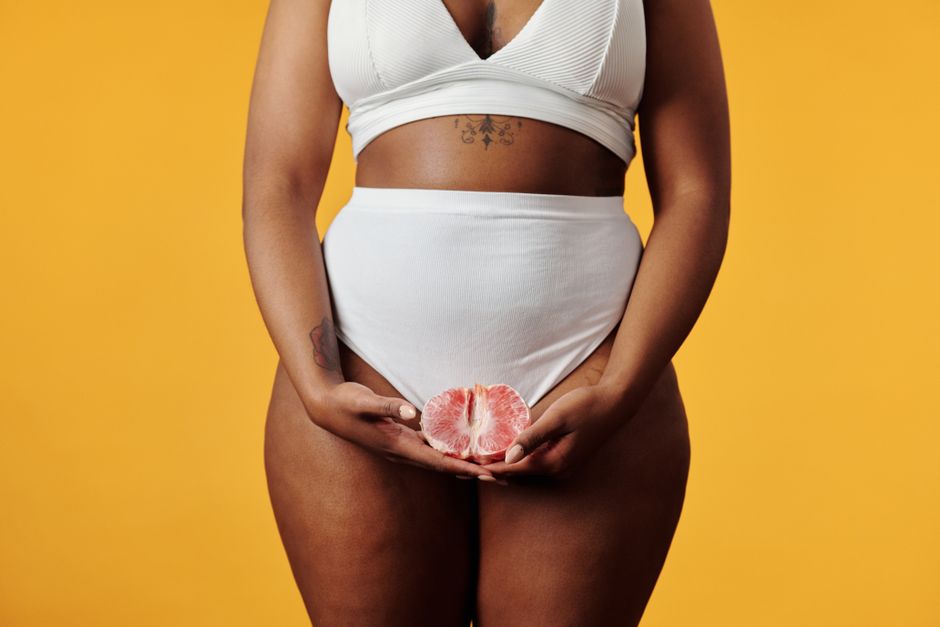
Vaginal taste varies from person to person, but most healthy vaginas have a mildly tangy, slightly musky flavor that is often described as similar to sour yogurt or fermented foods. This is completely normal and not a sign of a problem. The taste comes from natural vaginal fluids, healthy bacteria called lactobacilli, and your body’s own chemistry, all of which shift throughout your menstrual cycle, diet, and hydration levels.
What Does Normal Vaginal Taste Actually Come From?
Your vagina maintains its own ecosystem. Healthy vaginal fluid is mostly water, but it also contains electrolytes, proteins, and lactic acid. That lactic acid is produced by lactobacilli, the dominant bacteria in a healthy vagina. It keeps the pH slightly acidic, usually between 3.8 and 4.5, and it is the main source of that tangy, yogurt-like note.
Everyone’s chemistry is a little different. One person’s normal might taste more sour, another might be milder, and another might have a more metallic edge. None of these are inherently wrong. The flavor you notice is a snapshot of your current hormonal state, your diet, where you are in your cycle, and even whether you have recently had sex.
If you are concerned about your own taste, the first step is understanding that there is no single “correct” flavor. There is only what is normal for you. Sudden, dramatic changes are worth paying attention to, but a mild tangy or musky taste is not a red flag.
Does Diet Change How A Vagina Tastes?
Yes, but less than many online sources claim. Foods with strong odors can influence body fluids. Garlic, onions, asparagus, and heavily spiced foods can temporarily shift the flavor of sweat, urine, and vaginal secretions. These changes are usually mild and fade within a day or two as your body processes the food.
Hydration matters more. When you are well-hydrated, vaginal fluids are thinner and milder in taste. When you are dehydrated, fluids become more concentrated, which can make the taste stronger and more pungent. This is the same reason urine smells more intense when you have not drunk enough water.
Some sources claim that eating fruit, especially pineapple, makes vaginal fluids taste sweeter. There is no solid clinical research confirming this. The idea is biologically plausible because sugars and aromatic compounds can pass into bodily fluids, but no large human studies have verified that pineapple specifically changes vaginal taste. If you notice a difference, it may be real for you, but it is not a guaranteed effect.
What is more reliable is the effect of processed foods and alcohol. Some research and many clinicians note that diets high in refined sugar and alcohol can alter body odor and taste, often making it stronger or less pleasant. This is not a precise science, but it aligns with how these foods affect sweat and other secretions.
What Does An Unhealthy Or Infected Vagina Taste Like?
Infections can change vaginal smell and taste in recognizable ways. Bacterial vaginosis, or BV, often produces a strong fishy odor. This smell is caused by an overgrowth of anaerobic bacteria and a shift away from healthy lactobacilli. The taste can become noticeably more bitter or unpleasant, and it is usually accompanied by thin, grayish discharge.
Yeast infections, caused by Candida, typically produce a thick, white, cottage-cheese-like discharge. The odor is often described as bready, yeasty, or beer-like. The taste may reflect that same fermented quality, but the more obvious sign is the discharge texture and associated itching or burning.
Trichomoniasis, a sexually transmitted infection, can cause a frothy, yellow-green discharge with a strong odor. It is often described as foul rather than fishy. If you notice this along with itching, pain during urination, or discomfort during sex, you should see a healthcare provider.
Here is the honest part: taste alone is not a reliable diagnostic tool. You cannot determine whether you have an infection based on how you taste to yourself or a partner. The more reliable signs are changes in discharge color, consistency, or volume, plus symptoms like itching, burning, or a strong odor that does not go away after washing.





Why Does It Taste Metallic Sometimes?
A metallic taste is common and usually harmless. Blood is the most frequent cause. Menstrual blood contains iron, which has a distinct metallic flavor. If you are near the end of your period or have light spotting, a metallic taste can linger even when you do not see obvious blood.
Semen can also cause a temporary metallic or bitter taste. Semen is alkaline and contains zinc, which neutralizes the vagina’s natural acidity. This is why the taste can shift noticeably after unprotected sex. It usually returns to normal within a few hours as your body rebalances its pH.
Some medications can contribute too. Antibiotics, for example, can alter the balance of vaginal bacteria, which may temporarily change taste. Antihistamines and certain supplements, particularly those with iron or zinc, can also leave a metallic note in body fluids.
If a metallic taste is constant and not tied to your cycle, sex, or medications, it is worth mentioning to a doctor. It is rarely a sign of a serious problem, but persistent changes deserve a professional look.
Does Vaginal Taste Change With Age Or Hormones?
Yes. Estrogen drives the production of vaginal fluids and maintains the acidic environment that supports lactobacilli. When estrogen levels change, the entire ecosystem shifts.
During ovulation, estrogen peaks and cervical mucus becomes thinner, clearer, and more alkaline. Many people notice a milder, less tangy taste around this time. During your period, blood dominates and the taste becomes more metallic. In the days before your period, when progesterone rises, secretions can become thicker and the taste may be stronger.
Perimenopause and menopause bring lower estrogen levels. Vaginal tissues become thinner and produce less fluid. The lactobacilli population often declines, which makes the vagina less acidic. This can change taste significantly, sometimes making it milder, sometimes stronger. It can also increase the risk of infections because the protective acidic environment is weaker.
Pregnancy causes major hormonal shifts too. Increased blood flow and higher estrogen levels often mean more discharge, which can dilute the taste. Some people report a milder flavor during pregnancy, while others notice a stronger musky note. Both can be normal.
How Can You Keep Vaginal Taste Healthy?
The best approach is to support your natural ecosystem rather than trying to change it artificially. Washing with plain warm water is sufficient. The vagina is self-cleaning and does not need internal washing. Douching is not recommended by gynecologists because it disrupts the healthy bacterial balance and can actually increase the risk of infections.
Scented soaps, bubble baths, and feminine sprays can irritate the delicate tissues and throw off the pH balance. If you use soap, choose a mild, unscented option and only wash the external area. The inside of the vagina should be left alone.
Wearing cotton underwear and avoiding tight, non-breathable fabrics can help maintain a healthy environment. Moisture and heat encourage the overgrowth of yeast and bacteria. Changing out of sweaty workout clothes promptly is a simple but effective habit.
Probiotics, particularly those containing Lactobacillus strains, are sometimes recommended for vaginal health. Some studies suggest they may help maintain a healthy bacterial balance, especially after antibiotic use. The evidence is not definitive for everyone, and no specific brand or dose has been proven superior. If you are considering a probiotic, it is reasonable to discuss it with your healthcare provider.
Do not use vaginal deodorants or flavored lubricants to mask or alter taste. These products contain sugars and chemicals that can feed unwanted bacteria and yeast. If you want to change how you taste, hydration and a balanced diet are the safest levers you have.
When Should You See A Doctor?
See a healthcare provider if you notice a strong fishy odor, especially after sex. Also seek care if your discharge changes color to yellow, green, or gray, or if it becomes frothy or cottage-cheese-like. Itching, burning, pain during urination, or soreness around the vaginal opening are all reasons to get checked.
A sudden change in taste alone is not an emergency. But if a change lasts more than a week and is paired with any of the symptoms above, it is worth a visit. Most vaginal infections are easily treated once properly diagnosed. The key is not to guess based on taste or smell, but to let a clinician identify the cause.
One more thing: if a partner makes negative comments about your taste, that is not a medical issue. Normal vaginal taste is not supposed to be flavorless or sweet. It is supposed to be the taste of a healthy, living body. If your partner expects otherwise, that expectation is not based on biology.
Frequently Asked Questions
Is it normal for a vagina to taste sour?
Yes, a mildly sour or tangy taste is normal and comes from the lactic acid produced by healthy vaginal bacteria. It is similar to the taste of yogurt or fermented foods and is not a sign of a problem.
Can pineapple really make you taste sweeter?
No clinical studies have confirmed that pineapple changes vaginal taste. It is biologically possible, but the effect is not guaranteed and likely varies from person to person.
What does a vagina taste like with an infection?
An infected vagina may taste bitter or foul, often with a fishy odor in bacterial vaginosis or a yeasty note in fungal infections. Taste alone is not reliable for diagnosis; look for changes in discharge, itching, or burning.
Why does my vagina taste metallic after sex?
Semen is alkaline and contains zinc, which can temporarily neutralize vaginal acidity and create a metallic taste. This usually resolves within a few hours as the vagina rebalances its pH.
