
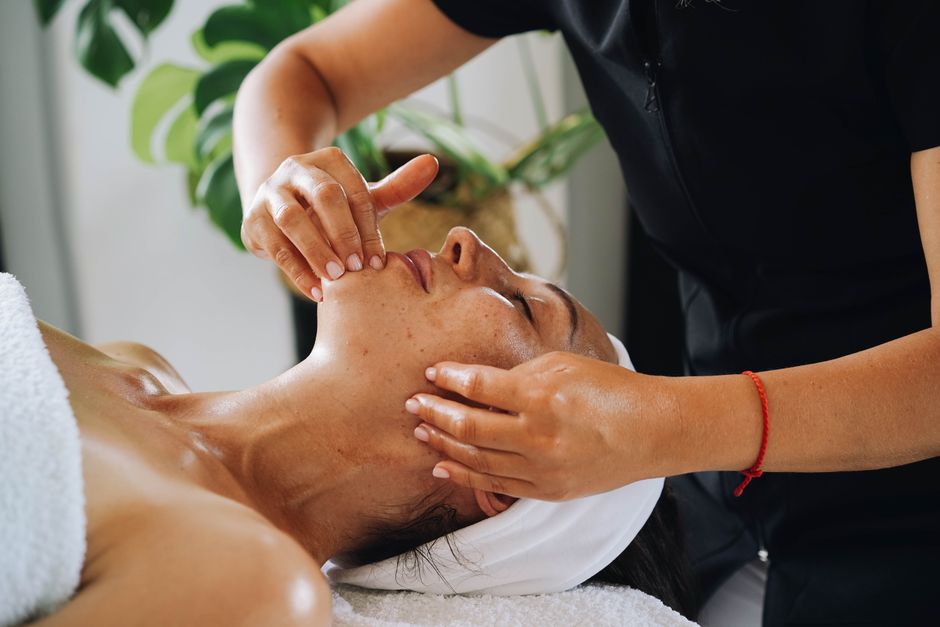
A PRP facial is a procedure in which a small amount of your own blood is spun in a centrifuge to concentrate the platelets, and that platelet-rich plasma is then applied to the skin — usually after microneedling creates tiny channels in the surface. Clinics market it as a way to improve skin texture and tone, and it typically costs somewhere in the low hundreds to around a thousand dollars per session depending on where you live. Recovery is usually short: most people have redness and mild swelling for a day or two, similar to a moderate sunburn.
Those are the plain facts. What follows is what the evidence actually supports, what it does not, and what nobody can honestly promise you about the results.
What Is a PRP Facial and How Does It Work?
PRP stands for platelet-rich plasma. Platelets are cell fragments in your blood that help it clot, and they also release signaling proteins called growth factors. The idea behind a PRP facial is to deliver a higher concentration of those growth factors to the skin than your blood would normally provide.
The process starts with a standard blood draw, usually from your arm — typically a small tube, on the order of a few teaspoons. That tube goes into a centrifuge, which spins it fast enough to separate the blood into layers. The plasma layer, which carries the concentrated platelets, is drawn off. The clinician then applies it to your face.
How it gets into the skin matters. PRP applied to intact skin does not penetrate meaningfully — the outer layer of skin is a barrier. So in practice, PRP facials are almost always paired with microneedling, which creates controlled micro-injuries in the skin surface and allows the plasma to reach deeper layers. Some clinics use a stamping or rolling device; others use a device that delivers tiny pulses of energy. The microneedling itself is doing real work here, and that complicates how you interpret any results you see.
Why the microneedling matters for interpreting results
Microneedling on its own has been studied for skin texture and scarring, and it has a reasonable evidence base. When a PRP facial produces a visible improvement, there is no practical way to separate how much came from the plasma and how much came from the needles. This is not a reason to dismiss the procedure. It is a reason to be skeptical of anyone who credits the plasma alone.
What Are the Realistic Benefits of a PRP Facial?
The most commonly reported benefits are improvements in skin texture, fine lines, and overall tone. Some studies suggest PRP may support collagen production and skin firmness, and a fair amount of the clinical research on PRP for skin has focused on its use alongside microneedling or laser treatments rather than on its own.
Here is where honesty matters. Much of the published research on PRP for skin is small. Many studies have few participants, vary widely in how the PRP is prepared and how concentrated it is, and use different measures of success. That makes it hard to draw firm conclusions about how well it works compared with alternatives, or how long any benefit lasts.
What the evidence does not support is the more dramatic marketing language you will encounter — claims about “stem cell activation,” “skin regeneration,” or results that rival cosmetic procedures. No clinical evidence currently confirms those claims for PRP facials.
A reasonable summary: PRP facials are plausible, generally low-risk, and may produce modest improvements in skin appearance for some people. The evidence is not strong enough to promise that outcome, and results vary.
How Much Does a PRP Facial Cost?
Most PRP facials in the United States fall somewhere between roughly $300 and $1,000 per session, though prices outside that range exist in both directions. A few factors drive the spread:
- Geography. Urban clinics in high-cost cities charge more than clinics in smaller markets.
- Provider type. A dermatologist or plastic surgeon typically charges more than a med spa.
- Number of sessions. PRP facials are usually sold as a series, often three sessions spaced several weeks apart, followed by periodic maintenance.
- Add-ons. Combining PRP with other treatments raises the price.
The series structure is the part people underestimate. A single session rarely produces a lasting result in the way a series is marketed to, and the total cost of a full course can run into the thousands. Ask for the total price of the recommended series in writing before you commit to anything.
Insurance does not cover PRP facials. They are cosmetic procedures, and you will pay out of pocket.
What Is PRP Facial Recovery Like?
Recovery is usually short and mostly about surface irritation. Because the procedure involves needles, expect redness, mild swelling, and a feeling like a moderate sunburn for a day or two. Some people have minor pinpoint bleeding right after. Bruising is possible but not typical.
Most clinics advise avoiding makeup for the first day and being gentle with your skin for a few days. Sun protection matters more than usual during this window because the skin barrier is temporarily disrupted. Specific aftercare instructions vary by clinic and by the device used, so follow the instructions you are given rather than a general rule from the internet.
Serious complications are uncommon but not impossible. Infection and scarring can occur with any procedure that breaks the skin, and the risk rises with poor technique or unsterile equipment. Choosing a licensed, experienced provider in a properly regulated setting is the main thing you control.
Who Should Not Get a PRP Facial?
PRP uses your own blood, which reduces some risks compared with donor products, but it is not appropriate for everyone. People with certain blood or platelet disorders, active skin infections in the treatment area, or who are pregnant or breastfeeding should discuss the procedure carefully with a clinician first. No clinical guidelines currently exist for PRP facials in pregnancy or breastfeeding, and the honest position is that the safety has not been established for those groups.
People taking blood thinners should raise it with their provider. So should anyone with a history of poor wound healing or keloid scarring.
One clarification worth making: because PRP comes from your own body, some marketing implies it is risk-free. That is not accurate. Any procedure that punctures the skin carries infection and scarring risk regardless of what is applied afterward.
How Does a PRP Facial Compare With Other Skin Treatments?
PRP facials sit in a crowded field, and the comparison depends on what you are trying to address.
| Treatment | Typical focus | Evidence strength | Relative cost |
|---|---|---|---|
| Microneedling alone | Texture, scarring | Moderate | Lower |
| PRP facial (microneedling + PRP) | Texture, tone, fine lines | Limited to moderate | Higher |
| Topical retinoids | Fine lines, texture, acne | Strong | Low |
| Laser resurfacing | Texture, pigmentation, wrinkles | Moderate to strong | Higher, longer recovery |
Topical retinoids are worth naming here because they are inexpensive, well studied, and often overlooked in favor of newer procedures. They do not do what a needle-based treatment does, but for fine lines and texture the evidence behind them is stronger than the evidence behind PRP facials.
Laser resurfacing tends to produce more noticeable results than PRP, with a longer and more involved recovery. If your goal is meaningful change in skin texture or pigmentation, a consultation with a dermatologist is a more useful first step than choosing a procedure from a menu.
What Should You Ask Before Booking a PRP Facial?
Ask who is performing the procedure and what their training and licensing are. In many states, the scope of practice for microneedling and PRP varies, and the person holding the device is not always a physician.
Ask how the PRP is prepared — whether it is your own blood drawn that day, and how it is concentrated. Ask how many sessions they recommend, what the total cost will be, and what happens if you see no change. Ask what results they can realistically point to in patients like you.
A clinic that answers these questions plainly and does not promise specific outcomes is a better sign than one that does. Anyone guaranteeing results is telling you something about their honesty, not their skill.
Frequently Asked Questions
How long do PRP facial results last?
Reports vary widely, and no reliable figure is established in the research. Most clinics recommend a series of sessions with periodic maintenance to sustain any effect.
Is a PRP facial painful?
Most people describe it as uncomfortable rather than painful, largely because of the microneedling. Clinics typically apply a topical numbing cream beforehand.
How much does a PRP facial cost per session?
Most sessions in the US run roughly $300 to $1,000, with the total for a recommended series often reaching into the thousands. Insurance does not cover it.
Can I wear makeup after a PRP facial?
Most providers advise waiting about a day before applying makeup. Follow the specific aftercare instructions from your clinic, since they vary by device and technique.
