

A pollotarian diet is a semi-vegetarian eating pattern where poultry—like chicken and turkey—is the only type of meat included. People who follow this diet eat plant foods such as fruits, vegetables, grains, legumes, nuts, and seeds, along with eggs and dairy if they choose. They avoid red meat (beef, pork, lamb) and usually avoid fish and seafood, though some individuals make exceptions. It is a flexible approach that sits between a standard omnivore diet and a strict vegetarian diet.
What Is A Pollotarian Diet Benefits And Foods?
A pollotarian diet centers on plant foods with poultry as the sole meat source. The core foods are vegetables, fruits, whole grains, beans, lentils, nuts, and seeds. Chicken and turkey provide the animal protein, while eggs and dairy are optional additions depending on personal preference.
This pattern appeals to people who want to reduce red meat intake without giving up meat entirely. It also attracts those interested in the health and environmental arguments for eating fewer animal products, but who find a fully vegetarian or vegan diet too restrictive.
The name comes from the Spanish word pollo, meaning chicken. In practice, pollotarians eat poultry but not mammals or fish. There is no official governing body for this diet, so individual interpretations vary. Some pollotarians eat fish occasionally. Others avoid all seafood strictly. The common thread is that red meat is off the table.
What Foods Can You Eat On A Pollotarian Diet?
The food list is straightforward. Poultry—chicken, turkey, duck, and game birds—is the only meat allowed. Everything else comes from the plant kingdom, with optional dairy and eggs.
- Poultry: Chicken breast, thighs, wings, ground turkey, turkey sausage, duck, Cornish hen
- Vegetables: Leafy greens, broccoli, carrots, peppers, onions, tomatoes, cauliflower, squash
- Fruits: Apples, bananas, berries, oranges, melons, avocados
- Whole grains: Brown rice, quinoa, oats, barley, whole wheat bread and pasta
- Legumes: Lentils, chickpeas, black beans, kidney beans, tofu, edamame
- Nuts and seeds: Almonds, walnuts, cashews, chia seeds, flaxseeds, pumpkin seeds
- Dairy (optional): Milk, yogurt, cheese, cottage cheese
- Eggs (optional): Whole eggs, egg whites
Foods to avoid include beef, pork, lamb, veal, and game mammals like venison or bison. Fish and shellfish are typically avoided, though some pollotarians include them. Processed red meats like bacon, sausages, and deli ham are also excluded.
This diet is not the same as a pescatarian diet, which includes fish but no poultry. It is also distinct from a flexitarian diet, which allows occasional red meat. Pollotarianism is more defined: poultry yes, mammals no.
What Are The Health Benefits Of A Pollotarian Diet?
Research consistently links higher intake of plant foods with lower risk of chronic disease. Because a pollotarian diet emphasizes vegetables, fruits, whole grains, and legumes, it naturally aligns with these protective eating patterns.
Poultry is a lean protein source compared to most red meats. Chicken breast, for example, is lower in saturated fat than beef or pork. Replacing red meat with poultry has been associated in some studies with a lower risk of heart disease and certain cancers, particularly colorectal cancer. The World Health Organization classifies processed meat as carcinogenic and red meat as probably carcinogenic, which helps explain why many people shift toward poultry and plant foods.
A pollotarian diet also tends to be higher in fiber than a typical omnivore diet. Fiber supports digestive health, helps regulate blood sugar, and promotes satiety. Plant foods provide a wide range of vitamins, minerals, and antioxidants that support immune function and cellular health.
The diet can support weight management when it emphasizes whole foods over processed ones. However, being pollotarian does not automatically mean eating healthfully. Fried chicken, processed turkey deli meat, and refined grains can still be part of this diet. The health outcomes depend on food choices within the pattern, not the label itself.
Some research suggests that semi-vegetarian diets like this one are associated with lower body mass index and reduced risk of metabolic syndrome compared to regular meat-eating diets. The evidence is observational, meaning it shows correlation rather than proof of cause and effect.



Are There Any Risks Or Downsides?
The main nutritional concern is iron. Red meat is a rich source of heme iron, which the body absorbs efficiently. Poultry also contains heme iron but in smaller amounts. Plant foods contain non-heme iron, which is absorbed less readily. Pollotarians can meet their iron needs by eating poultry regularly and pairing plant iron sources with vitamin C, which enhances absorption.
Vitamin B12 is another consideration. This nutrient is found naturally only in animal products. Poultry, eggs, and dairy all provide B12, so most pollotarians get enough. Those who eat very little poultry and skip eggs and dairy may need to pay closer attention to their intake.
Zinc and omega-3 fatty acids are also worth monitoring. Zinc is more bioavailable from animal sources, and poultry provides a reasonable amount. Omega-3s are abundant in fatty fish, which this diet typically excludes. Plant sources like walnuts, flaxseeds, and chia seeds provide alpha-linolenic acid, a precursor to the active forms of omega-3. Conversion in the body is limited, so some pollotarians may consider an algae-based supplement if they are concerned about omega-3 status.
There is no evidence that a well-planned pollotarian diet poses health risks. As with any eating pattern, the quality of food choices matters more than the label.
How Does A Pollotarian Diet Compare To Other Diets?
Understanding where this diet sits among other eating patterns helps clarify what it offers.
| Diet | Meat Allowed | Fish Allowed | Eggs and Dairy |
|---|---|---|---|
| Omnivore | All meats | Yes | Yes |
| Pollotarian | Poultry only | Usually no | Optional |
| Pescatarian | None | Yes | Optional |
| Vegetarian | None | No | Optional |
| Vegan | None | No | No |
The pollotarian diet offers more protein variety than vegetarian or vegan diets, which can make meal planning easier for some people. It also avoids the ethical and environmental concerns associated with red meat production. Compared to pescatarianism, it avoids the issues of overfishing and mercury exposure that some people worry about with seafood, though it also loses the unique omega-3 benefits of fatty fish.
For people transitioning from a standard meat-heavy diet, pollotarianism is often an easier step than going fully vegetarian. It requires fewer changes to familiar meal structures while still increasing plant food intake.
What Does A Typical Day Of Pollotarian Eating Look Like?
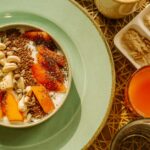
Meal planning on this diet is flexible. A sample day might include oatmeal with berries and walnuts for breakfast, a quinoa and chickpea salad with vegetables for lunch, and grilled chicken breast with roasted sweet potatoes and broccoli for dinner. Snacks could include yogurt, fruit, nuts, or hummus with raw vegetables.
The key is building meals around plant foods and using poultry as a complement rather than the centerpiece. This approach increases fiber and nutrient density while keeping meals satisfying.
Convenience foods can fit into this diet too. Rotisserie chicken, canned beans, frozen vegetables, and pre-cooked grains all work well. The diet does not require elaborate cooking or specialty ingredients.
Is A Pollotarian Diet Right For Everyone?
This diet can work for most healthy adults. Pregnant women, people with chronic medical conditions, and those with a history of disordered eating should consult a healthcare provider before making significant dietary changes. A registered dietitian can help ensure nutritional needs are met.
Athletes and highly active individuals can thrive on this diet. Poultry provides complete protein with all essential amino acids, and plant foods supply the carbohydrates needed for energy and recovery. Protein needs can be met easily with a combination of poultry, eggs, dairy, legumes, and whole grains.
People with kidney disease may need to be cautious about protein intake, though this applies to any diet containing animal protein. Those with gout should note that poultry is moderately high in purines, which can raise uric acid levels in susceptible individuals.
No clinical guidelines currently exist specifically for the pollotarian diet. It is a self-defined eating pattern rather than a medically prescribed one. That said, the principles behind it align with dietary patterns that research has linked to lower risk of chronic disease.
How To Start A Pollotarian Diet
Starting is simple. Begin by removing red meat from your meals and replacing it with poultry or plant proteins. Experiment with vegetarian meals a few days per week to build familiarity with beans, lentils, and tofu. Keep meals simple at first—stir-fries, grain bowls, and sheet-pan dinners all adapt well to this eating pattern.
Pay attention to iron and vitamin B12. Include poultry regularly, eat vitamin C-rich foods alongside plant iron sources, and consider fortified foods if you limit eggs and dairy.
There is no single correct way to follow this diet. Some people eat poultry daily. Others eat it a few times per week and rely on plant proteins the rest of the time. Both approaches fit the definition. The flexibility is one of the diet’s main strengths.
Frequently Asked Questions
Can pollotarians eat fish?
Typically no, but some pollotarians include fish occasionally. The standard definition allows poultry only, so fish consumption is a personal choice outside the usual pattern.
Is a pollotarian diet healthier than a regular diet?
It can be, because it emphasizes plant foods and lean poultry over red and processed meats. The actual health impact depends on the quality of food choices within the diet.
Can you lose weight on a pollotarian diet?
Yes, if you maintain a calorie deficit. The diet supports weight loss because it tends to be higher in fiber and lower in saturated fat than standard meat-heavy diets.
Do pollotarians eat eggs and dairy?
It depends on the individual. Eggs and dairy are optional in a pollotarian diet, and many people include both for convenience and nutrition.
