
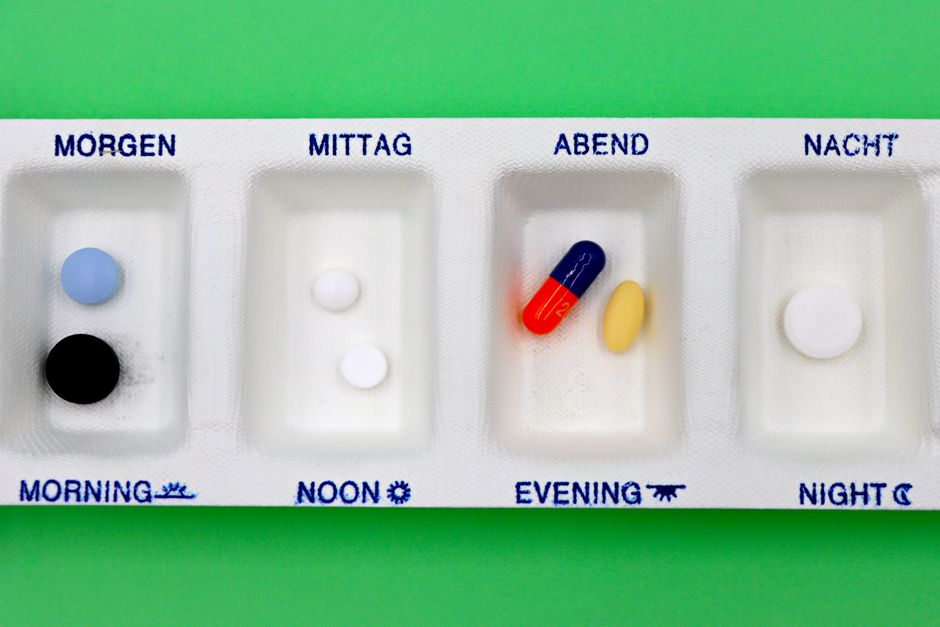
A planned system for how to do something is a step-by-step method you decide on in advance, with clear goals, an order of steps, and a way to check whether it worked. It turns a vague intention like “I should eat better” into a defined process with specific actions and a way to measure progress. The value comes from the structure itself, not from willpower alone.
What Makes a System Different From a Goal?
A goal describes a result. A system describes the repeated actions that produce it.
This distinction matters more than it sounds. “Lose 10 pounds” is a goal. “Walk 30 minutes after dinner four days a week and swap soda for water” is a system. The goal tells you where you want to end up. The system tells you what to actually do on a Tuesday evening when you are tired and the couch looks better than your sneakers.
Health behavior research has repeatedly found that people who rely on specific action plans tend to follow through more often than people who rely on motivation or intention alone. Intention is not the bottleneck for most people. Execution is.
A system also gives you something a goal cannot: a way to tell whether the problem is your plan or your effort. If you follow your system for a month and nothing changes, you can adjust the system. If you never followed it at all, the plan was never tested.
What Are the Core Parts of a Planned System?
Most workable systems share four elements. Skip one and the plan usually collapses within a few weeks.
- A specific target. Not “eat healthier” but “eat vegetables with lunch and dinner.” Vague targets cannot be tracked or adjusted.
- A defined sequence. What happens first, second, and third. Order reduces the number of decisions you have to make in the moment.
- A trigger or cue. The thing that tells you when to start. A time of day, a location, or an existing habit you attach the new behavior to.
- A feedback loop. A way to record what you did and review it. Without recording, people are poor judges of their own consistency.
The feedback loop is the part most people skip. It is also the part that separates a system from a wish. A simple note on your phone or a paper calendar works. Nothing about tracking requires an app or a subscription.
Why Do Plans Fail Even When They Are Well Designed?
Most plans fail because they are built for an ideal week, not a real one. They assume energy, time, and no interruptions.
There is a well-documented gap between what people intend to do and what they actually do. Researchers sometimes call this the intention-behavior gap. It shows up in almost every area of health: exercise, diet, medication adherence, sleep. Knowing what to do is rarely the missing piece.
Three failure patterns account for most breakdowns:
- The plan is too large. A plan that requires an hour a day when you currently have twenty minutes will not survive contact with your schedule.
- There is no plan for disruption. Travel, illness, and busy weeks are normal, not exceptions. A system with no fallback version gets abandoned entirely after one missed week.
- The plan depends on feeling motivated. Motivation fluctuates. Systems are designed to work when motivation is low, which is most of the time.
A useful test: describe your plan to yourself on your worst realistic day. If it cannot survive that day in some reduced form, it needs a smaller version built in from the start.




How Do You Build a System That Actually Holds Up?
Start smaller than feels satisfying. The urge to overhaul everything at once is strong and usually counterproductive.
Pick one behavior. Define it precisely enough that a stranger could tell whether you did it. “Exercise more” fails that test. “Walk for 20 minutes on Monday, Wednesday, and Friday after breakfast” passes it.
Attach the new behavior to something you already do reliably. This technique, sometimes called habit stacking, works because existing routines act as natural reminders. Brushing your teeth, making coffee, or arriving home from work are all stable anchors.
Decide in advance what counts as a minimum version. On a bad day, the full plan might be a 20-minute walk. The minimum might be five minutes. Having that floor defined ahead of time prevents all-or-nothing thinking, which is one of the most common reasons people quit.
Then set a review point. Four weeks is a reasonable first checkpoint. At that review, ask two questions: Did I actually do this? And did it produce anything I care about? Adjust based on the answers rather than starting over.
How Is Progress Measured in a Planned System?
Measure the behavior first and the outcome second. This order matters more than most people realize.
Outcomes like weight, blood pressure, or fitness markers move slowly and are affected by many things outside your control. Behaviors are directly under your control and change faster. If you track only outcomes and they lag, you may abandon a plan that is actually working.
For most health behaviors, tracking whether you did the thing is enough. A simple yes or no per day, tallied weekly, gives you useful information without turning your life into a spreadsheet.
Some numbers are worth knowing because they are well-established reference points. Resting heart rate for most adults falls between 60 and 100 beats per minute. Normal fasting glucose is generally 70 to 99 mg/dL. Blood pressure below 120/80 is considered normal. These are standard clinical ranges, not personal targets. If your readings fall outside them, that is a conversation to have with a clinician rather than something to self-manage through a habit system.
Where Do Planned Systems Work Best, and Where Do They Not Apply?
Planned systems work well for behaviors that are repeated, under your control, and measurable. Sleep timing, physical activity, eating patterns, hydration, and medication routines all fit this description.
They work less well when the outcome depends on factors you cannot control, when the behavior is a one-time event rather than a routine, or when the goal is vague enough that no plan can be built around it.
There is also an important limit worth stating plainly. A personal system is not a substitute for medical care. If you have a diagnosed condition, take prescription medication, are pregnant, or are managing care for a child, the structure of your plan should come from your clinician rather than from a general framework. No clinical guidelines exist for applying generic habit systems to those situations, because the underlying medical guidance takes priority.
For ordinary health behaviors in otherwise healthy adults, the evidence supports planning over improvisation. The specific plan matters less than having one you will actually follow.
What Is a Planned System For How To Do Something in Practice?
Here is what the pieces look like assembled, using a common example.
| Element | Vague approach | Planned system |
|---|---|---|
| Target | Get more sleep | Lights out by 11:00 pm on weeknights |
| Sequence | Try to relax at night | 9:30 pm screens off, 10:00 pm shower, 10:30 pm read, 11:00 pm lights out |
| Trigger | Feel tired | Alarm at 9:30 pm labeled “screens off” |
| Feedback | Guess how it went | Note bedtime each morning in a notebook |
| Minimum version | None | Lights out by 11:30 pm on hard nights |
The difference is not effort. It is specificity. The planned version tells you what to do at every step, including on the nights you would rather not.
One non-obvious point: the trigger is often the single most important element. People tend to focus on the action and underestimate how much depends on the cue. A good cue removes the need to remember, and remembering is where most plans quietly fall apart.
Frequently Asked Questions
What is a planned system for how to do something?
It is a method you define in advance with a clear target, a set order of steps, a cue to start, and a way to track what you did. It replaces vague intentions with specific actions you can follow and review.
How long does it take to build a new habit?
There is no fixed number. Research on habit formation suggests the time varies widely between people and behaviors, and simple habits tend to form faster than complex ones.
Do I need an app to track a planned system?
No. A paper calendar or a note on your phone works just as well for most health behaviors. The tracking itself matters more than the tool you use.
Can a planned system replace medical treatment?
No. Personal habit systems support general health behaviors, but they are not a substitute for care from a clinician, especially for diagnosed conditions or prescription medications.
