
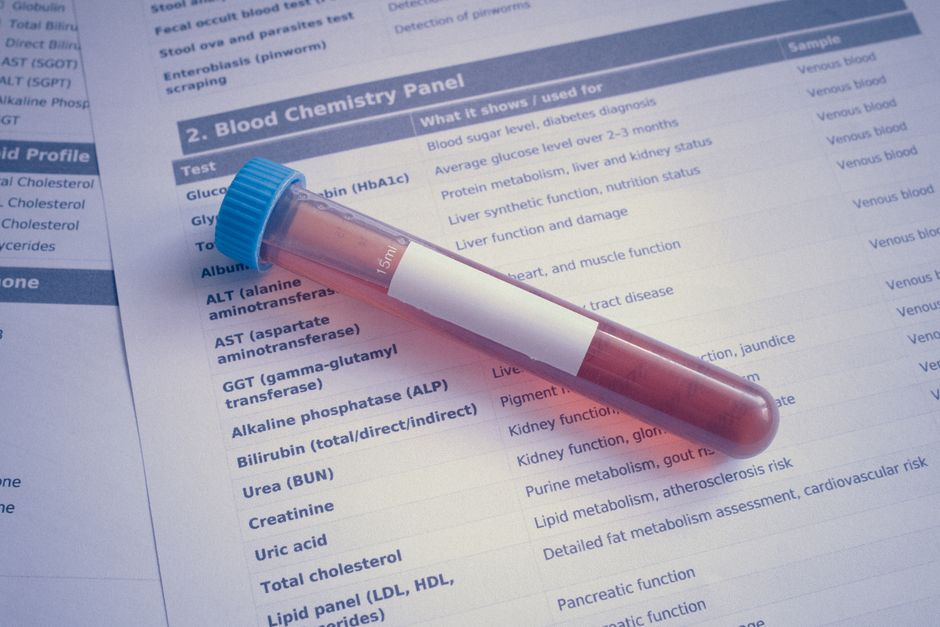
A pathology report is a document written by a pathologist that describes what was found when a sample of your tissue, blood, or other body fluid was examined under a microscope and through laboratory testing. It explains whether the cells are normal or abnormal, and if abnormal, what the abnormality is. This report is often the single most important piece of information your doctor uses to make a diagnosis and plan treatment.
What Is a Pathology Report and What Does It Mean?
A pathology report is the formal written result of a laboratory examination of a tissue or fluid sample. A pathologist — a medical doctor who specializes in diagnosing disease by examining cells and tissues — reviews your sample and creates this report.
The report serves as the foundation for your diagnosis. Your treating physician reads it to understand what is happening at the cellular level. In many cases, especially with cancer, the pathology report determines the diagnosis, the stage of disease, and what treatment options make sense.
If you have had a biopsy, surgery, pap smear, blood test, or any procedure where tissue or fluid was removed and sent to a lab, a pathology report was created. You are entitled to a copy of it.
Who Writes a Pathology Report and How Is It Created?
A pathologist writes the report. These are physicians who completed medical school, a residency in pathology, and often additional training in a subspecialty such as surgical pathology, hematopathology, or cytopathology.
The process begins when your doctor removes a sample during a biopsy or surgery. That sample goes to the pathology lab. There, a pathologist or trained technologist processes it — typically by preserving it in formalin, embedding it in paraffin wax, slicing it into extremely thin sections, and staining those sections so cells are visible under a microscope.
The pathologist examines the slides under a microscope. For some cases, additional tests are run on the tissue, such as molecular testing or immunohistochemistry, which uses antibodies to detect specific proteins on cells. These tests help identify the exact type of cells involved.
After reviewing everything, the pathologist writes the report. It typically goes to the doctor who ordered the test. Patients can request a copy from their treating physician or the hospital’s medical records department.
What Information Does a Pathology Report Contain?
Most pathology reports follow a similar structure, though formats vary by institution. Here are the sections you will typically find:
- Patient and specimen information — Your name, date of birth, the date of the procedure, and a description of what was removed and from where on your body.
- Clinical history — A brief note from your doctor explaining why the sample was taken.
- Gross description — What the pathologist saw with the naked eye. This includes the size, color, and texture of the specimen.
- Microscopic description — What the pathologist saw under the microscope. This describes the cells and tissue architecture.
- Diagnosis — The most important section. This is the pathologist’s conclusion. It may state a specific disease or describe the findings as benign, malignant, or inconclusive.
- Comments — Optional notes where the pathologist explains limitations, recommends additional testing, or clarifies the diagnosis.
The diagnosis section is what your doctor focuses on. But the other sections matter too. They provide context that can affect treatment decisions.





What Do the Terms in a Pathology Report Mean?
Pathology reports use specific language. Understanding a few key terms can help you read your report with more confidence.
Benign means the cells are not cancerous. They may still be abnormal in other ways — for example, a benign tumor or a benign cyst — but they do not have the features of cancer.
Malignant means the cells are cancerous. Malignant cells can invade nearby tissue and spread to other parts of the body.
Atypical means the cells look abnormal but do not clearly meet the criteria for cancer. This finding often leads to further testing or close monitoring.
Margins refer to the edges of the tissue that was removed. If the margins are “negative” or “clear,” it means no abnormal cells were found at the edge of the sample. If margins are “positive” or “involved,” abnormal cells extend to the edge, which may mean some abnormal tissue remains in the body.
Grade describes how abnormal the cells look compared to normal cells. A lower grade generally means the cells look more like normal cells. A higher grade means they look more abnormal. Grading systems vary depending on the type of tissue and disease.
Stage describes how far a disease has spread. Staging is not always included in a pathology report — it may be determined by your treating physician using the pathology report along with imaging and other tests.
What Does It Mean If the Report Says “Inconclusive” or “Indeterminate”?
Sometimes a pathologist cannot make a definitive diagnosis from the sample. This can happen when the sample is too small, when the cells have features that overlap between different conditions, or when the tissue is damaged or poorly preserved.
An inconclusive result does not mean nothing is wrong. It means the pathologist needs more information. Your doctor may recommend a repeat biopsy, a larger sample, additional molecular testing, or a second opinion from another pathologist.
Second opinions in pathology are common and accepted practice. If your diagnosis is unclear or if you want confirmation, you can ask for your slides to be sent to another institution for review.
How Does a Pathology Report Affect Your Treatment?
The pathology report directly guides treatment decisions. For cancer, it identifies the type of cancer, the grade, and whether the cancer has spread to lymph nodes or other structures. These details determine whether surgery, radiation, chemotherapy, or other treatments are recommended.
For non-cancerous conditions, the report can confirm or rule out infections, autoimmune diseases, and other disorders. It can show whether a treatment is working or whether a condition has progressed.
Your doctor interprets the report in the context of your overall health, imaging results, and other tests. The pathology report is one critical piece — not the only piece — of the full clinical picture.
What Should You Do After Receiving a Pathology Report?
Ask your doctor to go over the report with you. Request a copy for your own records. If any part of the diagnosis or the language is unclear, ask for an explanation in plain terms.
If the diagnosis is serious or complex, consider asking whether a second opinion on the pathology would be helpful. This is a standard and reasonable request.
You do not need to interpret the report alone. Pathologists write these reports for other physicians, not for patients. The language can be dense and technical. Your doctor’s job is to translate those findings into a plan you understand.
Frequently Asked Questions
How long does it take to get a pathology report?
Most routine pathology reports are available within a few days to about a week after the sample reaches the lab. Complex cases that require additional testing, such as molecular studies or second opinions, can take longer.
Can I get a copy of my pathology report?
Yes. You have the right to request a copy of your pathology report from your treating physician or the hospital’s medical records department. Some institutions provide access through online patient portals.
What does “negative for malignancy” mean on a pathology report?
It means the pathologist found no evidence of cancer in the sample. This is generally a reassuring finding, though your doctor will interpret it alongside your other test results.
What is the difference between a pathology report and a radiology report?
A pathology report describes the examination of actual tissue or fluid removed from your body. A radiology report describes findings from imaging tests like X-rays, CT scans, or MRIs, which show structures inside the body without removing tissue.
