
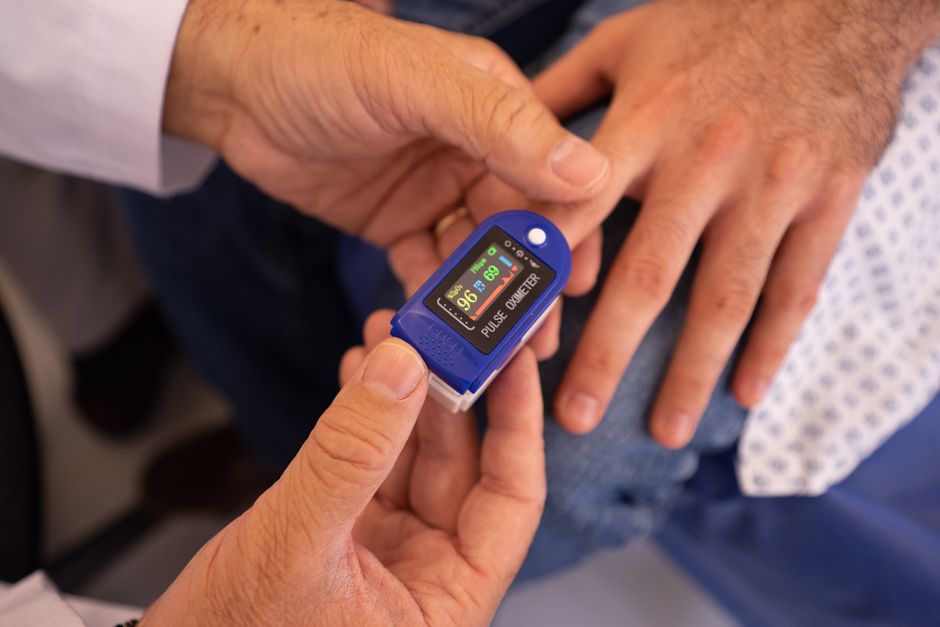
A resting heart rate between 60 and 100 beats per minute is considered normal for most adults. That is the standard range from the American Heart Association. But many healthy people have resting rates between 55 and 65, and that is often better for them.
What Is A Normal Pulse Rate For An Adult?
The short answer is 60 to 100 beats per minute when you are sitting still and relaxed. This range has been the medical standard for decades. It applies to most healthy adults who are not taking medications that affect heart rate.
Your pulse is simply the number of times your heart beats in one minute. It changes throughout the day based on what you are doing. When you exercise, it goes up. When you sleep, it goes down. The resting rate is what doctors care about most.
There is a catch. Many people with rates in the upper 90s are fine. But research published in the New England Journal of Medicine has found that people with resting rates above 90 may have a slightly higher risk of heart problems over time. This does not mean you should panic. It means your doctor may want to check things out if your rate stays high.
How Do You Measure Your Pulse Correctly?
Most people check their pulse wrong. They measure right after walking around or while feeling anxious. That gives a number that is too high to be useful.
To get an accurate resting pulse, sit quietly for at least five minutes. Place your index and middle fingers on the inside of your wrist, just below the base of your thumb. Press lightly until you feel the pulse. Count the beats for 30 seconds and multiply by two. That is your resting heart rate.
Do not use your thumb to check your pulse. Your thumb has its own pulse, and it will confuse the count. This is a small detail that matters more than most people realize.
Some studies suggest checking your pulse first thing in the morning before you get out of bed. This gives you your true resting rate. It is often lower than what you get during the day.
What Affects Your Resting Heart Rate?
Your resting heart rate is not a fixed number. It changes based on many factors. Here are the most common ones that can raise or lower your pulse:
- Fitness level — People who exercise regularly often have lower resting rates, sometimes below 60. This is a sign of an efficient heart.
- Stress and anxiety — Your body releases adrenaline when you are stressed, which speeds up your heart. This is normal but can become a problem if it is constant.
- Medications — Beta-blockers and some other drugs lower your heart rate. Decongestants and asthma inhalers can raise it.
- Caffeine and nicotine — Both are stimulants that increase your pulse. The effect can last for hours.
- Dehydration — When you are low on fluids, your heart has to work harder to pump blood, which raises your rate.
- Sleep quality — Poor sleep raises your resting heart rate the next day. Chronic sleep problems can keep it elevated.
These factors mean that one high reading is rarely a concern. What matters is your typical range over days or weeks.




When Is a Low Heart Rate a Problem?
A low resting heart rate is called bradycardia. For most people, this means a rate below 60. But context matters a lot here.
If you are a regular runner or cyclist, a rate of 45 or 50 is normal. Your heart has become stronger and pumps more blood with each beat. It does not need to beat as often. This is a sign of good cardiovascular fitness.
If you are not active and your rate is below 60, that can be a problem. Symptoms matter more than the number. The CDC reports that bradycardia becomes concerning when it causes dizziness, fatigue, shortness of breath, or fainting. If you have a low heart rate with these symptoms, you should see a doctor.
Some people with very low rates — below 40 — may need a pacemaker. This is not common. Most low heart rates in healthy people are nothing to worry about.
When Is a High Heart Rate a Problem?
A high resting heart rate is called tachycardia. This usually means a rate above 100 when you are at rest. A single high reading is common and usually not serious.
But a consistently high resting rate deserves attention. Research published in JAMA Internal Medicine found that people with resting rates above 90 had a higher risk of heart disease over a 10-year period. The risk was small but real.
Common causes of a high resting rate include dehydration, fever, anxiety, too much caffeine, and anemia. Sometimes it is a side effect of medication. In rare cases, it can signal a problem with the heart’s electrical system.
If your resting heart rate is consistently above 100 and you have symptoms like chest pain, shortness of breath, or feeling like your heart is racing, see a doctor. If it goes above 120 and does not come down with rest, that is a reason to seek medical care.
How Does Your Target Heart Rate During Exercise Compare?
During exercise, your heart rate goes up on purpose. This is different from your resting rate. Your target heart rate during exercise depends on your age and fitness goals.
Here is a simple comparison table showing resting and exercise heart rates for different ages:
| Age | Normal Resting Range | Moderate Exercise Target | Vigorous Exercise Target |
|---|---|---|---|
| 35 | 60–100 | 111–130 | 148–167 |
| 45 | 60–100 | 105–123 | 140–158 |
| 55 | 60–100 | 99–116 | 132–149 |
| 65 | 60–100 | 93–108 | 124–140 |
These numbers come from standard formulas used by the American Heart Association. Your actual target may be different based on your fitness level and any health conditions.
During exercise, your heart rate should come back down quickly when you stop. If it stays high for more than a few minutes after you cool down, that may be a sign that you pushed too hard or that something else is going on.
What Do Doctors Actually Look For?
Doctors do not panic over a single high or low reading. They look at trends. They also look at your pulse for other clues about your health.
Your pulse rhythm matters as much as your pulse rate. A normal pulse has a steady, regular beat. If your pulse feels irregular — skipping beats, fluttering, or racing unevenly — that is more concerning than a slightly high rate. An irregular pulse can be a sign of atrial fibrillation, which affects about 2.7 million Americans according to the CDC.
Your pulse strength also matters. A very weak pulse can mean low blood pressure or blocked arteries. A very strong bounding pulse can mean high blood pressure or an overactive thyroid.
Doctors also check how your pulse responds to movement. If your heart rate barely goes up when you stand or walk, or if it takes too long to come back down, those are both signs worth investigating.
Frequently Asked Questions
Can your resting heart rate be too low?
Yes, if you have symptoms like dizziness or fainting. But for fit people, a rate in the 40s or 50s is often normal and healthy.
Does caffeine raise your heart rate?
Yes, caffeine is a stimulant that can raise your resting heart rate by 5 to 10 beats per minute in most people.
What is a dangerous heart rate for an adult?
A resting rate above 120 or below 40 with symptoms like chest pain or shortness of breath is a reason to seek medical care.
How long does it take for heart rate to return to normal after exercise?
A healthy heart rate should drop significantly within one to two minutes of stopping exercise and return close to baseline within five minutes.
