
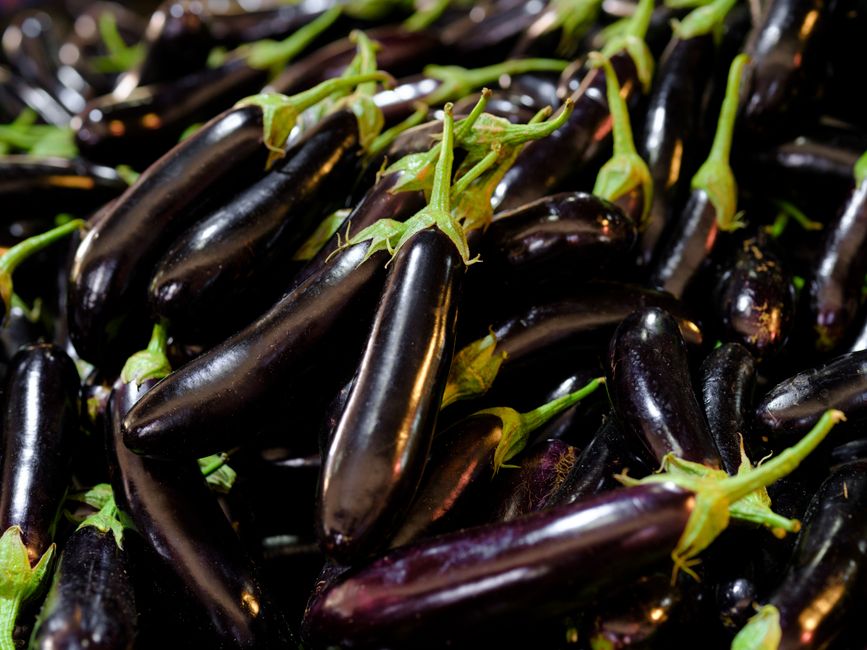
Tomatoes, potatoes, peppers, and eggplant all belong to one plant family. So do tobacco and belladonna, a plant historically used as a poison. That mix surprises people. The nightshade family, known scientifically as Solanaceae, is a group of flowering plants that includes some of the most common foods in the American diet alongside some genuinely toxic plants. They are related by shared plant chemistry, not by whether they are safe to eat.
What Is A Nightshade Family?
The nightshade family is a large group of flowering plants — roughly 90 genera and more than 2,000 species — that share certain structural and chemical features. Botanists classify them together because of how their flowers form, how their fruit develops, and the kinds of natural compounds they produce.
That last point matters most for health. Many nightshades make alkaloids, a class of nitrogen-containing compounds that can be toxic in high amounts. Some of these compounds help the plant defend itself against insects and animals. In edible nightshades, the levels in ripe fruit and tubers are generally low. In other parts of the plant and in some species, they are high enough to cause harm.
This is why the family gets a reputation that ranges from “everyday food” to “deadly poison.” Both are accurate depending on the plant and the part you are dealing with.
The most common edible nightshades
- Tomatoes
- Potatoes (not sweet potatoes — those are a different family)
- Eggplant
- Bell peppers and other sweet peppers
- Chili peppers, including cayenne, jalapeño, and paprika sources
- Tomatillos
- Goji berries
Sweet potatoes, yams, and black pepper are not nightshades. This is a common mix-up. Black pepper comes from a completely different plant family, and sweet potatoes belong to the morning glory family.
Why Are Nightshades Considered Toxic?
Some nightshades produce alkaloids that are toxic to humans. The best-known are solanine and related compounds found in potatoes, and nicotine found in tobacco. Others include atropine and scopolamine, which come from plants like belladonna and datura.
These compounds affect the nervous system and other body systems. At high doses, they can cause serious illness. This is well established in toxicology and clinical medicine.
The key question for most readers is whether the edible nightshades on a dinner plate contain enough of these compounds to matter. For ripe tomatoes, ripe peppers, and eggplant, the answer is generally no. For potatoes, the answer depends on how they are stored and prepared.
When potatoes become a real concern
Potatoes naturally contain solanine and a related compound called chaconine. In a normal, healthy potato, these are concentrated in the skin and the sprouts, and levels in the flesh are low. The concern rises when a potato turns green or starts to sprout.
Greening happens when potatoes are exposed to light. That same light exposure triggers a rise in solanine. A green potato can contain meaningfully higher levels, and eating enough of one can cause nausea, vomiting, diarrhea, stomach cramps, and in more serious cases, neurological symptoms like headache and confusion.
Potatoes that have gone green or grown long sprouts should be discarded rather than trimmed and eaten. Cooking does not reliably destroy solanine, so boiling or frying a green potato does not make it safe. This is established food safety guidance, not a gray area.
Are Nightshades Bad For You?
For most people, no. Tomatoes, peppers, eggplant, and properly stored potatoes are nutritious foods. Tomatoes and peppers are sources of vitamin C and various plant compounds. Potatoes provide potassium and vitamin C, among other nutrients. Eggplant provides fiber.
The idea that nightshades are broadly harmful comes largely from two places: the genuine toxicity of some family members, and a set of claims about inflammation and joint pain that are often repeated online.
What about arthritis and inflammation?
Some people report that cutting out nightshades reduces their joint pain. The evidence for this is limited. There is no strong body of clinical trial data showing that nightshades cause or worsen arthritis in the general population.
That does not mean individual experiences are false. Food-related symptoms can be real and personal. But the honest position is this: the claim that nightshades drive inflammation or joint pain is not supported by robust clinical evidence. It is a plausible-sounding idea with weak backing.
If someone notices a consistent pattern between eating a specific food and their symptoms, that is worth discussing with a clinician. It is different from a general rule that applies to everyone.
What about solanine in everyday portions?
Normal, properly handled potatoes and ripe tomatoes contain solanine at levels considered safe for the general population. There are no established clinical guidelines recommending that healthy adults avoid these foods.
One important exception: green potatoes and potato sprouts are a genuine safety issue, as described above. That is about a specific, avoidable situation, not about potatoes in general.





Who Might Need To Be Careful With Nightshades?
A few groups have a more concrete reason to pay attention, though the evidence varies by situation.
- People with a known allergy to a specific nightshade food should avoid that food. True allergy to tomatoes or peppers is uncommon but real.
- People with certain digestive conditions sometimes find peppers, especially hot ones, trigger symptoms. This is about capsaicin and irritation, not alkaloid toxicity.
- Anyone who has eaten a green or sprouted potato and develops vomiting, diarrhea, or neurological symptoms should seek medical care.
For the general population, there is no established reason to avoid edible nightshades. Claims that everyone should cut them out are not supported by clinical guidelines.
Do Nightshades Cause Leaky Gut Or Other Conditions?
This claim circulates widely online. It holds that nightshade alkaloids damage the gut lining and lead to a range of health problems. The evidence for this in humans eating normal amounts of edible nightshades is essentially absent.
“Leaky gut” itself is a term used loosely online. Intestinal permeability is a real, measurable phenomenon studied in specific medical contexts. It is not the same as the broad, symptom-explaining condition often described in wellness content.
No large human trials have confirmed that eating tomatoes, peppers, or potatoes causes intestinal damage or systemic disease in healthy people. When you see this claim, it is usually tied to a product or diet being sold.
How Do You Identify A Nightshade Plant?
Nightshade flowers tend to have five petals fused into a distinctive shape, often star-like or trumpet-like. The fruit is typically a berry or a capsule. Many species have alternate leaves along the stem.
This matters for foragers and gardeners. Some wild nightshades are dangerously toxic, and several look similar to edible plants. Bittersweet nightshade, black nightshade, and deadly nightshade (belladonna) are all in this family and are not safe to eat. Datura, also a nightshade, is highly toxic.
Do not eat a wild plant based on a photo match or an app. Misidentification of toxic nightshades has caused serious poisonings. If someone has eaten a plant they cannot confidently identify, contact a poison control center right away.
Is The Nightshade Reputation Deserved?
Partly. The family genuinely contains deadly plants, and potato greening is a real hazard. But the foods most people eat from this family — ripe tomatoes, peppers, eggplant, and properly stored potatoes — are not dangerous in normal amounts.
The confusion comes from lumping an entire botanical family together. Being related to a toxic plant does not make a food toxic, just as being related to a safe plant does not make one safe. What matters is the specific species, the specific part, and how it was handled.
For most readers, the practical takeaways are simple. Enjoy tomatoes, peppers, eggplant, and potatoes as part of a normal diet. Throw out green or heavily sprouted potatoes. Never eat a wild plant you cannot positively identify. And treat sweeping claims that nightshades are broadly harmful with the skepticism they deserve — the evidence is not there.
Frequently Asked Questions
Are potatoes a nightshade?
Yes, potatoes are part of the nightshade family, Solanaceae. Sweet potatoes and yams are not nightshades and belong to different plant families.
Are nightshades bad for arthritis?
The evidence does not support the claim that nightshades cause or worsen arthritis in the general population. Some people report personal symptom relief from avoiding them, but this is not backed by strong clinical trial data.
Can you get sick from eating green potatoes?
Yes, green potatoes contain higher levels of solanine, which can cause nausea, vomiting, diarrhea, and in serious cases neurological symptoms. Green or heavily sprouted potatoes should be thrown out, not trimmed and eaten.
Are bell peppers and tomatoes nightshades?
Yes, both bell peppers and tomatoes belong to the nightshade family. Ripe tomatoes and peppers contain only low levels of the alkaloids that make some other nightshades toxic.
