
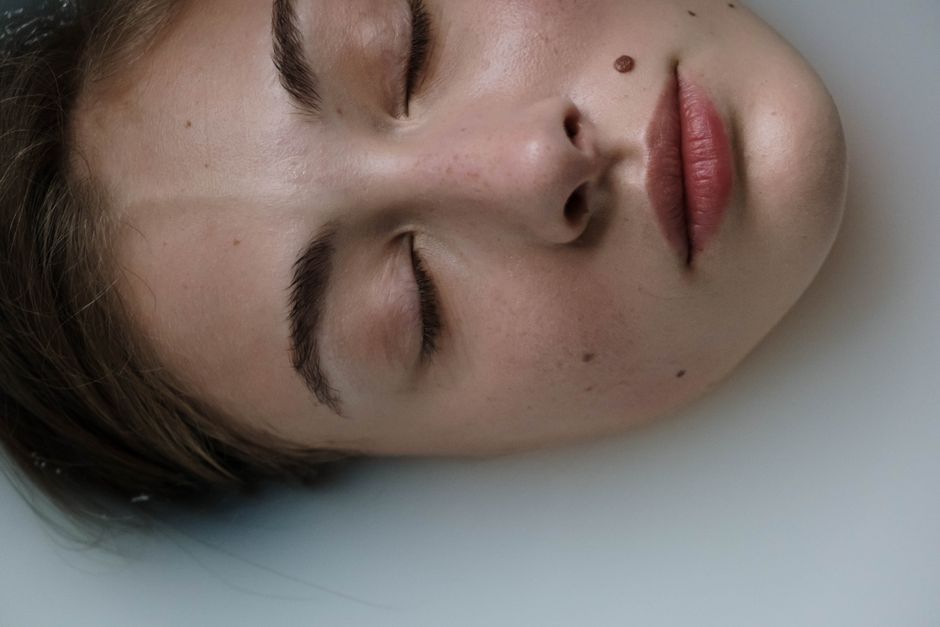
A mole is a common type of skin growth made of cells called melanocytes. These are the cells that produce melanin, the pigment that gives your skin its color. When melanocytes grow in a cluster or a group instead of spreading out evenly, they form a mole.
What Is A Mole On Your Skin Made Of The Cells Inside?
Moles are formed by melanocytes, which are specialized cells in the epidermis, the outermost layer of skin. Melanocytes produce melanin, which protects your skin from the sun’s ultraviolet (UV) radiation. In a normal situation, these cells are distributed evenly throughout your skin. In a mole, these cells multiply and clump together in a nest-like structure.
This cluster of melanocytes is what gives a mole its color. Moles can be brown, black, or even skin-colored, depending on how much pigment the cells produce. The structure of a mole also includes some normal skin tissue, but the melanocyte cluster is the defining feature.
Why Do Moles Form?
The exact reason moles form is not always clear. Most moles appear during childhood and early adulthood, and genetics play a significant role. Sun exposure also influences mole development. UV radiation can trigger melanocytes to multiply, which is why people who spend more time in the sun often have more moles.
Some moles are present at birth, but these are less common and are called congenital nevi. Most moles develop later. Hormonal changes, such as those during pregnancy or puberty, can also cause existing moles to darken or new moles to appear.
Are All Moles the Same?
No. Moles, medically known as nevi, come in several types. The most common type is the common acquired nevus, which appears during childhood or adolescence. These are usually round, smooth, and evenly colored.
Another type is the atypical mole, also called a dysplastic nevus. These moles are often larger than a pencil eraser and have irregular borders and mixed colors. Having atypical moles is a risk factor for melanoma, a serious form of skin cancer, but most atypical moles never become cancerous.
There are also moles that appear later in life. A mole that first appears after age 30 is less common and should be checked by a dermatologist. New moles in adulthood can be normal, but they warrant a professional look.





What Causes a Mole to Change?
Moles can change for many reasons, and not all changes are dangerous. Hormonal shifts, sun exposure, and simple aging can all alter a mole’s appearance. A mole can become darker, lighter, larger, or even fade away completely over time.
However, some changes are concerning. The ABCDE rule is a widely used guide for spotting warning signs in a mole. It stands for Asymmetry, irregular Borders, multiple Colors, Diameter larger than a pencil eraser, and Evolution or change over time. If a mole displays any of these features, it should be evaluated by a dermatologist.
It is important to distinguish between a harmless change and a sign of melanoma. Melanoma is a cancer of the melanocytes. When melanocytes become malignant, they can grow uncontrollably and spread to other parts of the body. Detecting melanoma early is critical because it is highly treatable when caught in its earliest stages.
When Should You See a Doctor About a Mole?
You should see a dermatologist if you notice a mole that is changing, bleeding, itching, or painful. A mole that looks different from your other moles, sometimes called the “ugly duckling” sign, also deserves attention. The “ugly duckling” concept is based on the idea that your normal moles tend to look alike, so a mole that stands out is worth checking.
Regular skin self-exams are a practical way to monitor your moles. Look at all areas of your skin, including your back, scalp, and the soles of your feet. If you have a history of sunburns, a family history of melanoma, or a large number of moles, you may need more frequent professional skin checks.
There is no single schedule for skin checks that fits everyone. Some dermatologists recommend annual exams for people at high risk. Others suggest checking only when you notice a change. Your personal risk factors should guide how often you get screened.
Can You Prevent Moles From Forming?
You cannot prevent all moles, especially those determined by genetics. However, you can reduce the number of new moles that appear by limiting sun exposure. Sun protection, including sunscreen, protective clothing, and shade, reduces UV damage to your skin and can limit the formation of new moles.
Sun protection is also critical for preventing melanoma. While most moles are harmless, having more moles is associated with a higher risk of melanoma. This is partly because moles themselves can become cancerous, and partly because having many moles may indicate higher cumulative sun exposure.
Protecting your skin from the sun is one of the few modifiable risk factors for skin cancer. Using a broad-spectrum sunscreen with an SPF of 30 or higher, reapplying it every two hours, and avoiding tanning beds are all steps supported by dermatology organizations.
What Happens When a Mole Is Removed?
Moles are sometimes removed for cosmetic reasons or because they are suspicious. A dermatologist can remove a mole using a few different methods. For small moles, a shave removal uses a small blade to cut the mole off at the level of the skin. For larger or suspicious moles, an excision removes the entire mole and a margin of surrounding skin, followed by stitches.
If a mole is removed because it might be cancerous, the tissue is sent to a pathology lab for examination under a microscope. This is the only way to know for certain whether a mole is benign or malignant. The pathology report will tell you the exact diagnosis and whether any further treatment is needed.
Removing a mole does not prevent other moles from forming. The procedure only removes that specific growth. Scarring is possible with any mole removal, and the cosmetic outcome varies depending on the size and location of the mole and the technique used.
Does a Biopsy Hurt?
A mole biopsy is performed with local anesthesia, meaning the area is numbed with an injection. You may feel a brief sting from the needle, but the procedure itself is generally painless. After the numbing wears off, there may be some soreness, which is usually manageable with over-the-counter pain relievers.
The recovery time depends on the location and method of removal. Shave removals typically heal within a week or two. Excision with stitches may take a few weeks to fully heal, and the stitches may need to be removed by your doctor. Your dermatologist will give you specific aftercare instructions.
Frequently Asked Questions
Can a new mole appear after age 40?
Yes, but it is less common than in younger years. Any new mole appearing after age 30 should be examined by a dermatologist to rule out skin cancer.
Are raised moles more dangerous than flat moles?
No. Melanoma can develop in both flat and raised moles. The features that matter are asymmetry, irregular borders, color variation, and change over time, not whether the mole is raised.
Do all moles turn into cancer?
No. The vast majority of moles are harmless and will never become cancerous. Only a small percentage of melanomas develop from existing moles; most melanomas arise on normal skin.
Can you remove a mole with apple cider vinegar?
No clinical evidence supports this home remedy. Applying acid to your skin can cause burns, scarring, and infection, and it does not remove the melanocyte cluster beneath the skin surface.
