

A healthcare modality is simply a specific method, type, or approach used to diagnose, treat, or manage a patient’s condition. It is the “how” of medicine—the tool or technique a clinician applies. These range from a standard blood test to physical therapy, from prescription drugs to surgical procedures. Understanding the different types of modalities helps you see the full toolkit available in modern healthcare and how various treatments work together or stand alone.
What Are the Main Types of Healthcare Modalities?
Healthcare modalities fall into several broad categories based on what they do and how they work. Most people encounter a mix of these throughout their lives. The primary groups include diagnostic, therapeutic, surgical, and rehabilitative modalities.
Diagnostic modalities are used to identify what is wrong. This includes blood work, imaging like X-rays and MRIs, and biopsies. Therapeutic modalities aim to treat a condition. This group is vast, covering medications, psychotherapy, and radiation therapy. Surgical modalities involve physical intervention on the body, such as removing a tumor or repairing a fracture. Rehabilitative modalities help you recover function after an illness or injury, like physical therapy or occupational therapy.
These categories are not always exclusive. A single procedure can be both diagnostic and therapeutic. For example, a colonoscopy is used to diagnose polyps, but the doctor can also remove them during the same procedure, making it a treatment modality as well.
How Do Therapeutic Modalities Differ From Each Other?
Therapeutic modalities are the most diverse group. They differ mainly in their mechanism—how they produce an effect on the body. The main distinction is between pharmacological (drug-based) and non-pharmacological (non-drug) approaches.
Pharmacological modalities use chemical compounds to alter bodily functions. Antibiotics kill bacteria, antihistamines block allergic reactions, and insulin replaces a missing hormone. These are rigorously tested in clinical trials before approval. Their effects are often predictable, but they also carry risks of side effects and drug interactions.
Non-pharmacological modalities include a wide range of treatments. Physical therapy uses exercise and movement to strengthen muscles and improve mobility. Cognitive behavioral therapy (CBT) is a structured psychological approach that changes thought patterns. Radiation therapy uses high-energy particles to destroy cancer cells. Manual therapies, like chiropractic adjustments or massage, involve hands-on techniques.
Some therapies are considered complementary when used alongside standard treatments, and alternative when used instead of them. Acupuncture, for example, is a modality rooted in traditional Chinese medicine. Some studies suggest it helps with chronic pain, but the evidence base is not as strong as it is for many conventional treatments. It is important to distinguish between a modality that is proven effective and one that is used because of tradition or belief. Always inform your doctor about any complementary or alternative modalities you use, as they can sometimes interfere with standard treatments.
What Is a Physical Modality in Therapy?
In the context of physical therapy and pain management, the term “modality” has a more specific meaning. It refers to therapeutic agents that are applied to the body to produce a physiological response, usually to reduce pain, decrease inflammation, or promote healing. These are distinct from exercise or manual therapy.
Common examples include:
- Heat therapy: Increases blood flow and relaxes muscles. Useful for chronic stiffness and joint pain.
- Cold therapy (cryotherapy): Reduces blood flow and numbs tissue. Best for acute injuries and inflammation.
- Ultrasound: Uses sound waves to generate deep heat in tissues. Its effectiveness is debated; some research shows minimal benefit over placebo.
- Electrical stimulation (e-stim): Uses electrical currents to stimulate nerves or muscles. Transcutaneous electrical nerve stimulation (TENS) is used for pain relief.
- Traction: Applies a pulling force to the spine to relieve pressure on nerves.
These physical modalities are tools, not cures. A therapist uses them to prepare the body for exercise or manual therapy. The evidence for their effectiveness varies significantly. Heat and cold have solid physiological backing. The evidence for others, like ultrasound, is mixed. A good therapist will not rely on these alone but will combine them with active rehabilitation.




What Is a Diagnostic Modality in Imaging?
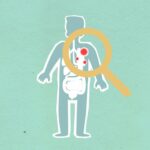
In radiology, a modality refers to the specific technology used to create images of the body. Each one uses different physics to visualize different tissues and structures. Choosing the right one depends on what the doctor needs to see.
X-ray is the oldest and fastest imaging modality. It is excellent for viewing bones and detecting fractures or pneumonia. It uses low doses of ionizing radiation. Computed tomography (CT) uses multiple X-rays to create cross-sectional images. It provides much more detail than a standard X-ray and is excellent for evaluating the chest, abdomen, and trauma. It delivers a higher radiation dose than a single X-ray.
Magnetic resonance imaging (MRI) uses a powerful magnetic field and radio waves to create detailed images of soft tissues. It is the modality of choice for the brain, spinal cord, ligaments, and muscles. It does not use ionizing radiation, making it safer in that regard, but it is slower and more expensive.
Ultrasound uses high-frequency sound waves to create real-time images. It is the primary modality for obstetrics and is also used to examine the heart, blood vessels, and abdominal organs. It uses no radiation. Positron emission tomography (PET) is a nuclear medicine modality that shows metabolic activity. It is often combined with CT (PET-CT) to detect cancer and assess its spread.
The choice of imaging modality is a clinical decision based on the suspected condition, the area of the body, and patient factors like pregnancy. More detail is not always better. An MRI is not a substitute for a CT scan, and vice versa. They provide different information.
How Are Modalities Combined in a Treatment Plan?
Modern medicine rarely relies on a single modality. The standard of care for complex conditions is often a multimodal approach—using several different types of treatments simultaneously. This is not about adding more for the sake of it. Each modality targets a different aspect of the disease process.
Consider cancer care. A patient might undergo surgery (a surgical modality) to remove a tumor. They might then receive radiation therapy (a therapeutic modality) to kill any remaining cancer cells in the area. They might also take chemotherapy drugs (a pharmacological modality) that travel through the bloodstream to target cancer cells anywhere in the body. This combination is standard because each method has a different strength and limitation.
The same principle applies to chronic pain. A patient might take an anti-inflammatory medication, attend physical therapy to strengthen supporting muscles, and use cognitive behavioral therapy to manage the psychological impact of chronic pain. In this case, the pharmacological, rehabilitative, and psychological modalities work together to address the biological, mechanical, and emotional components of the condition.
This approach is based on evidence that combination therapies are often more effective than single treatments for complex diseases. However, it also increases the risk of interactions and side effects. This is why coordination between different specialists is critical. Your primary care doctor or an oncologist often serves as the coordinator, ensuring all modalities work together safely.
What Is the Future of Modalities in Personalized Medicine?
Healthcare is moving toward personalized medicine, where the choice of modality is tailored to the individual patient’s genetics, environment, and lifestyle. This is a shift from the one-size-fits-all approach. The goal is to select the modality most likely to work for you and avoid those that will not.
Pharmacogenomics is a leading example. This field studies how your genes affect your response to drugs. Some people metabolize certain medications too quickly or too slowly, leading to treatment failure or toxicity. A genetic test can guide the choice and dose of medication, making the pharmacological modality safer and more effective.
In diagnostics, liquid biopsies are an emerging modality. This blood test can detect fragments of tumor DNA, allowing for cancer detection and monitoring without an invasive tissue biopsy. In therapy, targeted treatments are designed to attack specific genetic mutations found in a patient’s tumor.
These advances do not replace traditional modalities. They refine how and when they are used. The fundamental categories—diagnostic, therapeutic, surgical, rehabilitative—remain the same. What changes is the precision with which we select them. The evidence for this approach is growing, but it is not universal. For many conditions, standard protocols remain the best option.
Frequently Asked Questions
What does modality mean in medical terms?
In medical terms, a modality is any specific method, tool, or technique used for diagnosis, treatment, or rehabilitation. It is the particular approach a healthcare provider uses to address a health issue.
Is a medication considered a modality?
Yes, medication is a pharmacological therapeutic modality. It is a chemical substance used to treat, cure, or prevent disease.
What is the difference between a modality and a treatment?
A treatment is the overall plan of care for a patient, while a modality is a specific component of that plan. A treatment plan can include multiple modalities, such as surgery, drugs, and physical therapy.
Can alternative therapies be considered healthcare modalities?
Yes, alternative and complementary therapies like acupuncture or chiropractic care are considered modalities. However, the evidence supporting their effectiveness varies widely, and they should be discussed with your primary care doctor.
