
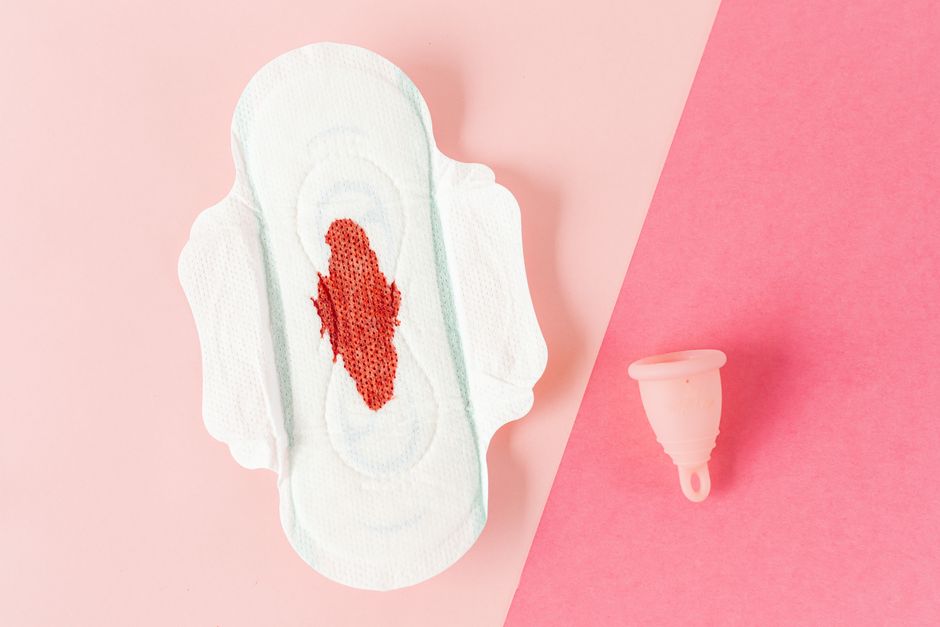
What Are the 4 Phases of the Menstrual Cycle?
The four phases are defined by what is happening in the ovaries and the uterus. The cycle begins on the first day of your period and ends the day before your next period starts. A typical cycle lasts 28 days, but anywhere from 21 to 35 days is considered normal for adults.
What Happens to Your Hormones in Each Phase?
Hormones are the chemical messengers that control the entire cycle. Each phase has a distinct hormonal profile that drives the physical changes you experience.
During the follicular phase, estrogen levels rise steadily. This hormone rebuilds the uterine lining and thickens cervical mucus, making it easier for sperm to travel. Higher estrogen also boosts your mood and energy levels in the days before ovulation.
At ovulation, estrogen peaks, which triggers the LH surge. This surge is the single most important hormonal event of the cycle because it causes the egg to be released. The egg survives for only about 24 hours after release. Sperm, however, can survive inside the reproductive tract for up to five days, which is why the fertile window extends several days before ovulation.
In the luteal phase, progesterone becomes the dominant hormone. It stabilizes the uterine lining and raises your basal body temperature by about 0.5 to 1 degree Fahrenheit. This temperature rise is how many people track ovulation. If pregnancy does not occur, progesterone and estrogen fall sharply, which triggers menstruation.
How Long Does Each Phase Last?
Phase lengths vary from person to person and cycle to cycle. The follicular phase is the most variable. It can last anywhere from 11 to 27 days. The luteal phase is more fixed, typically lasting 14 days.
The luteal phase is relatively constant because it is determined by the lifespan of the corpus luteum. Once the corpus luteum forms, it will function for about 14 days unless it receives a signal from a pregnancy hormone called human chorionic gonadotropin (hCG). If hCG is present, the corpus luteum continues producing progesterone to maintain the pregnancy.
Menstruation typically lasts 3 to 7 days. The heaviest flow usually occurs in the first two days. Ovulation itself is a single moment, not a day-long event, but the egg remains viable for roughly 24 hours afterward.





What Physical Symptoms Occur in Each Phase?
Recognizing which phase you are in can help you understand your body’s signals. Symptoms are driven by the dominant hormone of that phase.
How Can You Identify Your Fertile Window?
The fertile window is the six-day span ending on the day of ovulation. It includes the five days before ovulation and the day of ovulation itself. Tracking this window is useful both for trying to conceive and for avoiding pregnancy.
The most reliable methods for identifying ovulation include:
No single method is perfect. Combining two methods, such as BBT and cervical mucus, gives a more accurate picture.
What Are Common Cycle Irregularities and When to See a Doctor?
Irregular cycles are common, but certain patterns warrant medical attention. A normal cycle can range from 21 to 35 days. Cycles shorter than 21 days or longer than 35 days are considered irregular.
Common irregularities include:
You should see a healthcare provider if you experience bleeding between periods, bleeding after menopause, or if your cycle suddenly changes pattern. Conditions like polycystic ovary syndrome (PCOS), thyroid disorders, and uterine fibroids can cause irregular cycles. Endometriosis is a common cause of severe pelvic pain and heavy bleeding.
Does the Menstrual Cycle Affect Mood and Energy?
Yes, but the effect varies widely between individuals. Some people notice minimal changes, while others experience significant shifts. The luteal phase is when mood symptoms are most likely to appear.
The drop in estrogen and progesterone before menstruation affects neurotransmitters in the brain, particularly serotonin. Lower serotonin levels are linked to irritability, sadness, and food cravings. This is why PMS symptoms are common in the late luteal phase.
For a small percentage of people, these symptoms are severe enough to qualify as premenstrual dysphoric disorder (PMDD). PMDD is a clinical condition that causes debilitating depression, anxiety, and anger before menstruation. It is not simply “bad PMS” and requires treatment from a healthcare provider.
Research consistently shows that estrogen has a positive effect on verbal memory and cognitive function. Some studies suggest that thinking speed and verbal fluency peak during the follicular phase. However, the overall impact on daily performance is small for most people.
Frequently Asked Questions
What is the shortest phase of the menstrual cycle?
Ovulation is the shortest phase, lasting only about 24 hours. It is the single moment when a mature egg is released from the ovary, and the egg remains viable for roughly one day.
Can you get pregnant during your period?
It is unlikely but possible. Sperm can survive in the reproductive tract for up to five days, so if you have a short cycle and ovulate early, intercourse during the last days of your period could lead to pregnancy.
How do I know which phase I am in right now?
Track your symptoms and cycle day. If you are bleeding, you are in menstruation. If you notice clear stretchy mucus and mild pelvic pain, you are near ovulation. Breast tenderness and bloating typically indicate the luteal phase.
Is a 40-day menstrual cycle normal?
For some people, a 40-day cycle is their normal pattern. However, cycles longer than 35 days are considered irregular. If your cycles are consistently long, a healthcare provider can evaluate for conditions like PCOS or thyroid issues.
