
A manual differential blood test is a lab procedure where a trained technologist looks at your blood under a microscope and counts the different types of white blood cells by hand. It usually follows a complete blood count (CBC) when that automated test flags something unusual. The test gives your doctor a detailed picture of your immune system and can help identify infections, allergies, leukemia, and other conditions.
Most blood tests today are run by machines. A manual differential is different because a human being examines the cells directly. That human eye can catch things a machine might miss — like slightly abnormal cell shapes, immature cells, or subtle changes in how cells look.
What Is A Manual Differential Blood Test and How Does It Work?
A manual differential is a hands-on lab test. A drop of your blood is smeared across a glass slide, stained with special dyes, and examined under a microscope. A medical technologist counts 100 white blood cells and identifies each one by type.
White blood cells are your body’s defense system. There are five main types, and each plays a different role:
- Neutrophils — fight bacteria and respond to acute infections
- Lymphocytes — fight viruses and produce antibodies
- Monocytes — clean up debris and fight certain infections
- Eosinophils — respond to allergies and parasites
- Basophils — release histamine during allergic reactions
The technologist records what percentage of the 100 cells each type represents. They also note whether any cells look abnormal in size, shape, or maturity. That visual assessment is something an automated machine cannot fully replicate.
The whole process takes about 15 to 30 minutes in the lab. Results usually reach your doctor within a day, sometimes sooner.
When Would a Doctor Order a Manual Differential?
A manual differential is not a routine first test. It is typically ordered when an automated CBC produces results that need a closer look. The automated machine might flag an unusual cell count, an abnormal cell population, or values that fall outside expected ranges.
Your doctor may also request one when symptoms suggest a specific problem. Common reasons include:
- Unexplained fatigue, fever, or recurring infections
- Suspected leukemia or other blood cancers
- Monitoring during chemotherapy or radiation treatment
- Severe allergies or suspected parasitic infections
- Unexplained bruising or bleeding
- Following up on an abnormal automated result
Some hospitals and labs use manual differentials more often than others. Practices vary. A lab may automatically perform a manual review when the automated result crosses certain thresholds, even without a specific doctor request.
Manual Differential vs. Automated Differential: What Is the Difference?
Automated analyzers count thousands of cells in seconds using electrical impedance or light scatter. They are fast, consistent, and cost-effective. Manual differentials are slower and require a skilled human eye.
The key difference is what each method can detect. Automated machines are very good at counting normal cells accurately. They are less reliable at recognizing immature cells, abnormal shapes, or rare cell types. A manual review can catch these details.
That said, automated technology has improved a lot. Many modern analyzers can flag abnormalities and even classify some immature cells. In many labs, the automated result is sufficient. A manual differential is reserved for cases where the machine’s findings are unclear or concerning.
Some research suggests that manual differentials and automated results agree well for normal samples but diverge more when abnormal cells are present. This is one reason manual review remains important in certain situations.




What Do the Results Mean?
Results are reported as percentages and sometimes as absolute counts. Normal reference ranges vary slightly by lab, but typical adult ranges are roughly:
- Neutrophils: 55–70%
- Lymphocytes: 20–40%
- Monocytes: 2–8%
- Eosinophils: 1–4%
- Basophils: 0.5–1%
These ranges are general guides. Your lab’s reference range may differ. What matters most is the pattern across all five types and whether any cells look abnormal.
A high neutrophil count often points to a bacterial infection. High lymphocytes can suggest a viral infection. Elevated eosinophils are linked to allergies or parasites. But these patterns are not diagnosis on their own. Your doctor interprets them alongside your symptoms, history, and other test results.
Sometimes the manual differential reveals immature cells called blasts. These are not normally found in circulating blood in adults. Their presence can be a sign of leukemia or another serious bone marrow condition. That finding usually triggers further testing.
What Happens If Your Results Are Abnormal?
An abnormal manual differential is a starting point, not a final answer. Your doctor will consider the full picture — your symptoms, medical history, physical exam, and other lab work.
Depending on what the differential shows, next steps might include:
- Repeating the test to confirm the finding
- Additional blood tests, such as flow cytometry or genetic testing
- A bone marrow biopsy if a blood cancer is suspected
- Imaging studies like X-rays or CT scans
- Referral to a hematologist (blood specialist)
Many abnormal results turn out to be temporary. A mild infection, stress, medication, or even pregnancy can shift white blood cell counts. One abnormal result does not mean something serious is wrong. But it does mean the result deserves follow-up.
How Accurate Is a Manual Differential?
Manual differentials are considered a reliable standard, but they are not perfect. The accuracy depends on the skill of the technologist, the quality of the blood smear, and the number of cells counted.
Counting 100 cells gives a reasonable estimate, but it has statistical limits. If a cell type is rare, counting only 100 cells may miss it or overestimate its frequency. Some labs count 200 cells for better precision.
There is also human variability. Two technologists looking at the same slide may classify some cells differently, especially borderline or unusual cells. This is a known limitation of manual review. Despite this, manual differentials remain valuable because they can detect things machines cannot.
No test is 100% accurate. The manual differential is one tool among many. Its value comes from combining what it shows with the rest of your clinical picture.
What Should You Expect During the Test?
The manual differential itself requires no extra effort from you. If you are already having blood drawn for a CBC, the lab can use the same sample. No additional needle stick is needed.
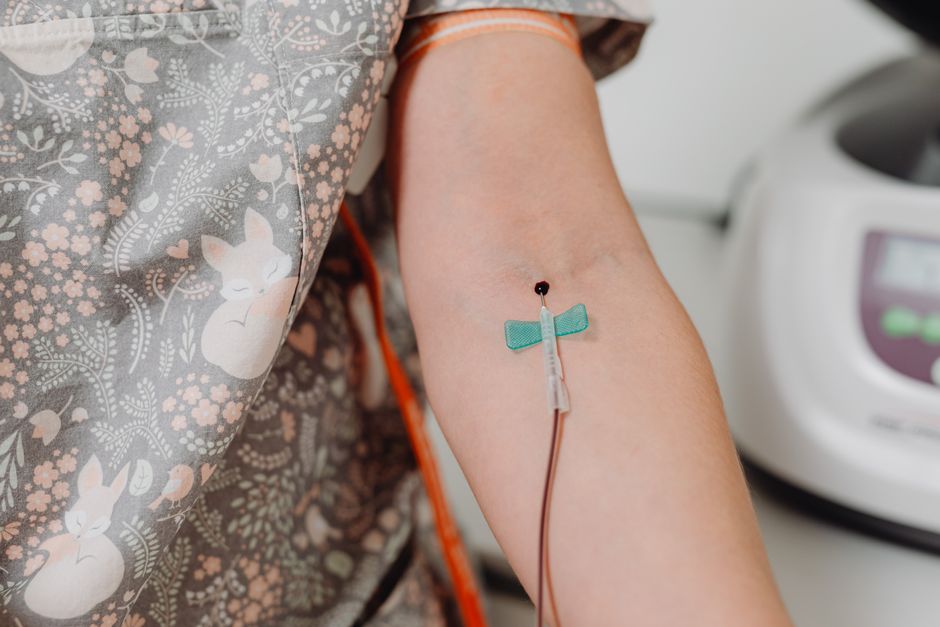
If only a manual differential is ordered, a small amount of blood is drawn from a vein, usually in your arm. The process takes just a few minutes. You may feel a brief pinch when the needle goes in.
There is no special preparation required. You do not need to fast unless your doctor orders other tests that require it. You can eat, drink, and take your normal medications unless told otherwise.
Results are typically available within 24 hours. Some labs can provide them faster if the situation is urgent.
Frequently Asked Questions
What is a manual differential blood test used for?
It is used to count and identify the five types of white blood cells under a microscope. Doctors order it to investigate infections, allergies, blood cancers, and other conditions that affect the immune system.
Is a manual differential blood test painful?
The test itself is not painful — it is just a standard blood draw. You may feel a brief pinch when the needle enters your arm, and the sample collection takes only a few minutes.
How long does it take to get manual differential results?
Results are usually available within 24 hours. Some labs can provide them sooner if the test is marked urgent.
Can a manual differential detect leukemia?
It can detect abnormal or immature white blood cells that may suggest leukemia, but it cannot confirm the diagnosis on its own. A bone marrow biopsy and other specialized tests are needed to confirm leukemia.
