
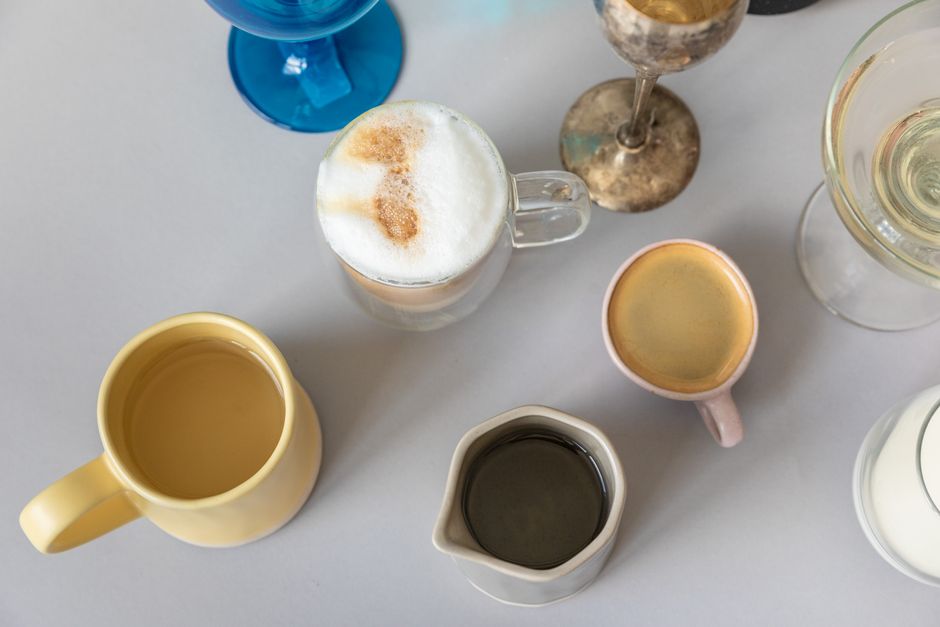
A macchiato is an espresso-based drink where a small amount of milk is added to a shot of espresso. The word comes from Italian and means “stained” or “marked” — the espresso is “marked” with milk. Order a macchiato in Italy and you get roughly one shot of espresso with a small dollop of milk foam on top, served in a tiny cup and finished in two or three sips.
What Is A Macchiato Drink?
A traditional macchiato is espresso with a small amount of steamed milk or milk foam added. That is the whole drink. No large cup, no flavored syrup, no whipped cream.
The ratio matters. A classic macchiato is mostly espresso — typically a single or double shot — with just enough milk to soften the edge. The milk is a garnish, not a base. This is the opposite of a latte, where milk makes up most of the drink.
The name tells you the logic. Macchiato means “marked” or “stained” in Italian. The espresso is marked by the milk. Some Italian sources describe it as the milk being “corrected” by a drop of coffee — the drink was historically a way for baristas to tell a milk-containing espresso apart from a plain one on a crowded counter.
There are two common versions:
- Caffè macchiato — espresso marked with a small amount of milk or milk foam
- Latte macchiato — the reverse, a glass of steamed milk “marked” with a shot of espresso
These are different drinks with different proportions. Confusing them is the single most common source of disappointment when someone orders a macchiato expecting one thing and getting the other.
How Is A Macchiato Different From A Latte or Cappuccino?
The difference comes down to milk volume and ratio. A macchiato has the least milk. A cappuccino has more. A latte has the most.
A traditional cappuccino is roughly equal parts espresso, steamed milk, and milk foam — often described as a 1:1:1 ratio. A latte is mostly steamed milk with a thin layer of foam, usually around one part espresso to three or more parts milk. A macchiato sits at the far espresso-heavy end of that spectrum.
| Drink | Espresso | Milk | Typical serving size |
|---|---|---|---|
| Macchiato | 1–2 shots | A small dollop of foam or steamed milk | 1–2 oz |
| Cappuccino | 1–2 shots | Equal parts steamed milk and foam | 5–6 oz |
| Latte | 1–2 shots | Mostly steamed milk, thin foam layer | 10–16 oz |
Note that these are traditional proportions. In the United States, many coffee chains serve much larger drinks than the traditional Italian versions, and a “latte” at one shop may be closer to a cappuccino at another.
What Is A Latte Macchiato?
A latte macchiato is the mirror image of a traditional macchiato. Instead of marking espresso with milk, you mark a glass of steamed milk with a shot of espresso.
The drink is built in layers. Steamed milk goes into a tall glass first, then the espresso is poured slowly on top. Because espresso is denser than milk foam but less dense than the liquid milk below, it settles in a distinct band in the middle of the glass. The result is a layered look that is part of the drink’s appeal.
In practice, a latte macchiato contains far more milk than a caffè macchiato. Some coffee shops stir it before serving; others leave the layers intact so the drinker can mix it themselves.
This is where the confusion gets real. If you order a “macchiato” at a large American coffee chain, you may receive something closer to a latte macchiato or a sweetened espresso drink with syrup. If you order one at a traditional Italian café, you will get a tiny espresso-based drink. The word means different things in different places, and neither use is wrong — but they are not interchangeable.
How Much Caffeine Is In A Macchiato?
Caffeine content depends almost entirely on how many espresso shots the drink contains, not on the milk. A single shot of espresso typically contains around 63 milligrams of caffeine. A double shot is roughly 125 milligrams.
That puts a traditional macchiato in the range of about 60 to 130 milligrams of caffeine, assuming one or two shots. For comparison, an 8-ounce brewed coffee usually contains somewhere between 95 and 165 milligrams, depending on the beans and brewing method.
Here is the part that surprises people. A macchiato is not a “stronger” coffee than a regular cup in terms of total caffeine. It tastes more concentrated because espresso is brewed under pressure with less water, but the total caffeine in a single-shot macchiato is often lower than in a standard mug of drip coffee.
Chain versions can change this. A large flavored macchiato with multiple shots and added syrup may contain considerably more caffeine and sugar than the traditional drink. Check the specific product information if caffeine intake matters to you.
Does A Macchiato Have Milk, Sugar, or Added Flavor?
A traditional macchiato contains no added sugar and no flavor syrup. It is espresso and a small amount of milk. Any sweetness comes from the milk itself and from the natural characteristics of the coffee.
That changes with commercial versions. Many coffee chains sell caramel macchiatos and similar drinks that include flavored syrup, extra milk, and a drizzle of sauce on top. These can contain substantial added sugar. A flavored macchiato from a chain may have more in common with a dessert beverage than with the traditional Italian drink.
If you are watching sugar intake, the traditional version is the safer bet — but the only way to know what you are getting at a specific shop is to ask what goes into it. Menus rarely spell out the difference.
Is A Macchiato Healthier Than Other Coffee Drinks?
There is no evidence that a macchiato is healthier than other espresso drinks. It is simply a different ratio of the same two ingredients.
What a macchiato does have going for it is simplicity. With no added syrup or sugar, a traditional macchiato contains very few calories beyond what the milk contributes. A splash of whole milk adds only a small amount. A latte, by contrast, uses far more milk, which means more calories and more lactose for people who are sensitive to it.
That said, “fewer calories” is not the same as “healthy.” Coffee itself has been studied extensively, and moderate consumption is generally considered safe for most adults. But no coffee drink should be framed as a health food, and a macchiato is no exception.
People with acid reflux, anxiety disorders, or sleep problems may want to pay attention to caffeine timing regardless of which espresso drink they choose. And anyone adding sugar or flavored syrup is no longer drinking the traditional version.
How Do You Order A Macchiato?
If you want the traditional drink, say “caffè macchiato” and expect a small cup. If you want the layered milk version, ask for a “latte macchiato.” At a chain, it helps to ask what their macchiato actually contains before ordering, because the answer varies.
Some baristas will ask whether you want the milk steamed or just a dollop of foam. Traditionalists use foam. Either way, the amount is small.
If you are used to drinking large lattes, a traditional macchiato may surprise you with how little liquid arrives. That is not a mistake. It is the drink.
One more practical note: because the drink is small and espresso-forward, the quality of the espresso matters more than it does in a milk-heavy drink. Milk can mask a mediocre shot. A macchiato cannot.
Frequently Asked Questions
What is a macchiato drink made of?
A traditional macchiato is made of one or two shots of espresso with a small amount of steamed milk or milk foam added on top. The milk is a garnish, not the base of the drink.
Is a macchiato stronger than regular coffee?
It tastes stronger because espresso is more concentrated, but a single-shot macchiato often contains less total caffeine than an 8-ounce cup of drip coffee. A single espresso shot has roughly 63 milligrams of caffeine, while brewed coffee typically ranges from about 95 to 165 milligrams per 8 ounces.
What is the difference between a macchiato and a latte macchiato?
A caffè macchiato is espresso marked with a small amount of milk, while a latte macchiato is a glass of steamed milk marked with a shot of espresso. The proportions are reversed, and the latte macchiato contains much more milk.
Does a macchiato have sugar?
A traditional macchiato contains no added sugar or syrup. Many commercial versions sold at coffee chains do include flavored syrup and sweetener, so check the specific menu item if sugar matters to you.
