
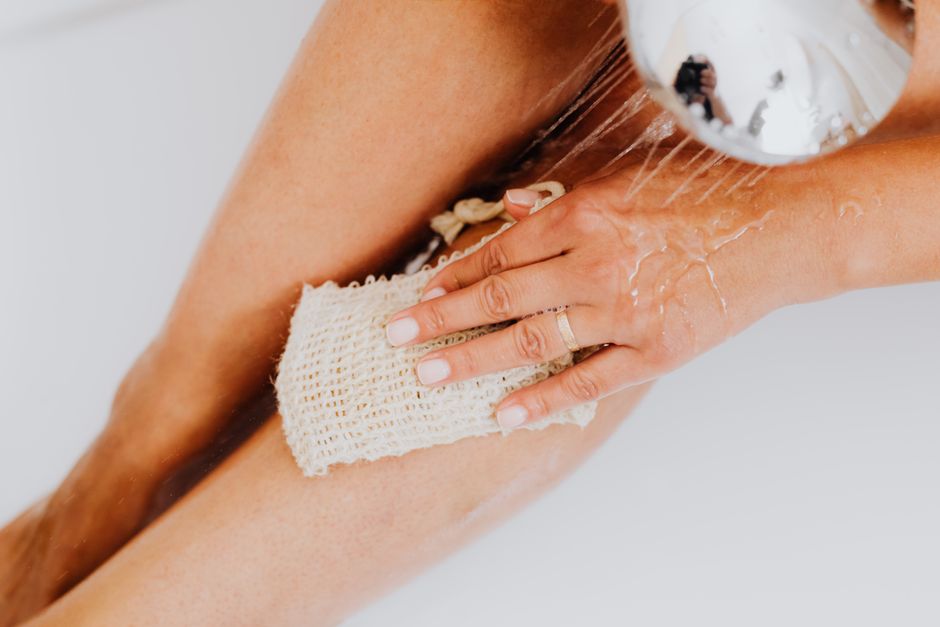
A luffa is a gourd — a fast-growing vine fruit related to cucumbers and squash — that, when fully mature and dried, develops an internal network of tough fibers. Those dried fibers are what people use as natural bath sponges and kitchen scrubbers. The confusion starts because the word “luffa” gets used for two different things: the plant itself and the dried sponge made from it.
There is a second layer of confusion worth clearing up early. The soft, colorful “loofah” sold in drugstores is almost always a synthetic plastic puff, not a plant. A real luffa is firmer, rougher, and comes from a garden, not a factory.
Is a Luffa a Plant or a Sponge?
It is both, depending on which part you mean. The luffa is a plant in the cucumber family. The sponge is the dried skeleton of its fruit.
Two species are grown most often. One produces a longer, cylindrical fruit; the other is shorter and more club-shaped. Both belong to the genus Luffa and both are annual vines, meaning they grow, fruit, and die within a single season. They are native to warm parts of Asia and Africa and are now cultivated in many tropical and subtropical regions, including parts of the southern United States.
The fruit itself is edible when young and green. It is harvested and cooked much like a zucchini or cucumber in parts of Asia. Once the fruit matures and dries on the vine, the flesh breaks down and what remains is a dense web of cellulose fibers. Those fibers are the sponge.
So the same plant gives you a vegetable and a cleaning tool — just at different stages of its life.
What Is a Luffa Made Of?
The dried sponge is mostly cellulose, the same structural material found in plant cell walls. That is why it behaves like a natural scrubber: the fibers are stiff, interlocking, and hold their shape when wet.
This is a key difference from a synthetic bath puff, which is typically made of plastic fibers such as polyethylene or nylon. A real luffa is biodegradable. A plastic puff is not.
A natural luffa also has a slight texture that varies from sponge to sponge, because it is a plant product. Some are softer; some are coarser. That variation is normal and not a defect.
How Is a Luffa Grown and Turned Into a Sponge?
Growing a luffa takes patience. The vines need a long warm season, plenty of sunlight, and something to climb. In cooler climates, the growing season is often too short for the fruit to fully mature, which is one reason real luffas are less common than people assume.
The process from vine to sponge works roughly like this:
- The vine flowers and produces green fruit.
- The fruit is left on the vine well past the edible stage until it turns brown and dry.
- The dried fruit is peeled, and the seeds are shaken out.
- The remaining fibrous skeleton is washed and left to dry fully.
The drying step matters. A luffa that is not completely dry can grow mold, which is a real concern for a product that lives in a shower.





Are Luffas Good for Your Skin?
A luffa can remove dead skin cells through physical exfoliation, and that is a genuine effect. Whether it is good for your skin depends on your skin and how you use it.
Physical exfoliation means manually scrubbing away surface skin cells. For some people, this leaves skin feeling smoother. For others — especially those with sensitive skin, eczema, or acne — a rough scrubber can irritate the skin, cause small abrasions, and make inflammation worse. Dermatologists generally favor gentler exfoliation for facial skin, and many suggest keeping a luffa to the body rather than the face.
There is no strong evidence that a luffa offers skin benefits beyond mechanical exfoliation. It does not treat acne, and it is not a medical device. Claims that it “detoxifies” skin are not supported by how skin actually works.
One more point that surprises people: a luffa is not a good tool for active acne or broken skin. Scrubbing over inflamed skin tends to aggravate it rather than help.
Do Luffas Harbor Bacteria?
Yes, and this is the most important practical issue with them. A luffa stays wet, sits in a warm humid shower, and has a huge internal surface area. That combination is favorable for microbial growth.
Research has examined used shower sponges and found bacteria and fungi living in them, including types that can cause skin infections in people with breaks in the skin or weakened immune systems. The sponge itself does not create the germs — it just gives them a place to grow.
Practical steps that reduce the problem:
- Rinse the luffa thoroughly after each use and squeeze out excess water.
- Store it somewhere it can dry, not sealed in a damp corner.
- Replace it regularly. There is no fixed universal schedule, but a luffa that smells musty or looks discolored should be replaced.
- Do not share a luffa with anyone else.
If you have a skin infection, an open wound, or a weakened immune system, a natural luffa is a poor choice. A clean washcloth or your hands are safer options.
Can You Eat a Luffa?
Young, green luffa fruit is eaten as a vegetable in several Asian cuisines. It is cooked in stir-fries, soups, and curries. In that stage it is tender and mild, similar in texture to a soft cucumber or zucchini.
Once the fruit matures and the fibers harden, it is no longer edible. The mature stage is what becomes the sponge.
One caution: some related gourds contain bitter compounds called cucurbitacins, and in high amounts these can cause digestive upset. Bitterness in a gourd is a warning sign, not a flavor to push through. If a luffa tastes strongly bitter, it is better not to eat it. This is a general principle for the gourd family, not something unique to luffa.
Luffa vs. Loofah vs. Synthetic Puff: What Is the Difference?
The words sound the same and often get used interchangeably, but they describe different products. Spelling is not standardized — “luffa,” “loofah,” and “loufa” all appear in everyday use.
| Type | What it is | Key trait |
|---|---|---|
| Natural luffa | Dried fiber skeleton of a gourd | Biodegradable, textured, needs drying and replacing |
| Synthetic puff | Plastic mesh ball | Soft, cheap, not biodegradable |
| Young luffa fruit | Edible green vegetable | Cooked and eaten; not a sponge |
The practical takeaway: if you want a natural, compostable scrubber, look for a luffa described as a dried gourd. If you want something soft and low-maintenance, a synthetic puff does that job — it just is not a plant.
How Should You Care for a Luffa?
Treat a luffa like what it is: a damp organic object. Rinse it, wring it out, and let it air dry where air can move around it. A luffa that never dries is the one most likely to cause problems.
Replace it when it starts to break down, smell, or change color. There is no single correct replacement interval that applies to everyone, and any specific number would be arbitrary. Common sense and a visual check are the practical guides here.
If you are using a luffa on your body and notice new irritation, redness, or itching, stop using it. That reaction is a signal, not something to scrub through.
Frequently Asked Questions
Is a luffa a sponge or a plant?
A luffa is a plant — a gourd vine — and the sponge is made from its dried fruit fibers. The word refers to both the plant and the product made from it.
Is a loofah the same as a luffa?
They are usually the same word spelled differently, though many “loofah” bath products sold in stores are actually synthetic plastic puffs. A real luffa comes from a dried gourd.
Can you eat a luffa?
Young, green luffa fruit is edible and cooked as a vegetable in some Asian cuisines. Once the fruit matures and the fibers harden, it is no longer edible and becomes the sponge.
Are luffas bad for your skin?
They can irritate sensitive, acne-prone, or broken skin because they scrub physically. For many people they are fine on the body, but dermatologists generally recommend gentler options for the face.
