
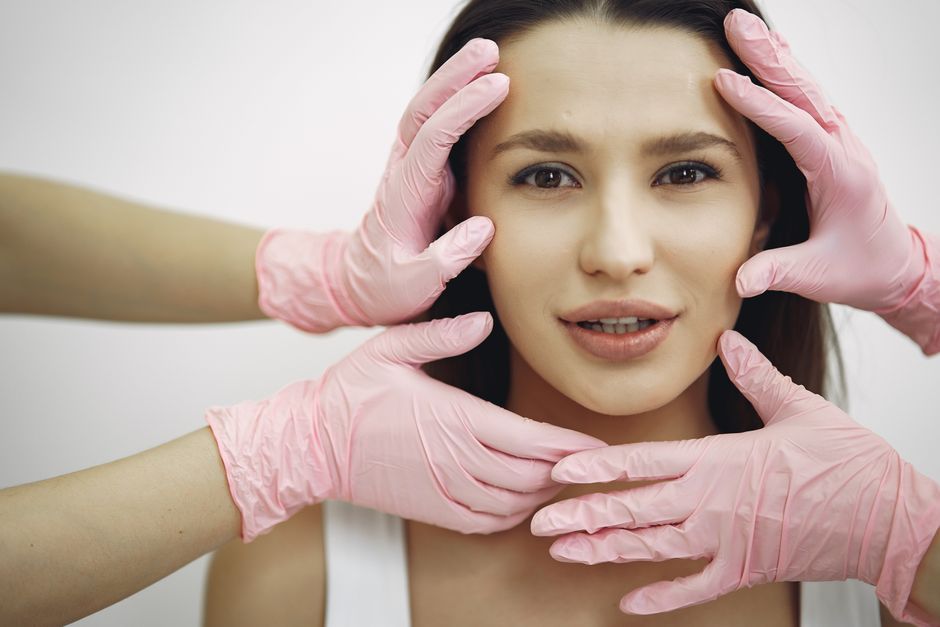
A lip flip is a cosmetic procedure that uses small doses of Botox injected into the upper lip to relax the muscle that curls the lip inward. This relaxation allows the upper lip to relax and roll outward slightly, making it appear fuller without adding volume. Unlike lip fillers which add physical volume, a lip flip changes the position and shape of the lip you already have. The results are subtle, temporary, and typically last two to three months before the muscle function fully returns.
How Does a Lip Flip Actually Work?
To understand the lip flip, you need to know a little about the muscle involved. The orbicularis oris is the ring-shaped muscle that surrounds your mouth. It is the muscle you use to pucker, whistle, or purse your lips. In many people, this muscle pulls the upper lip slightly inward, especially when smiling.
Botox is a purified protein that temporarily blocks nerve signals to muscles. When injected into the upper lip, it weakens the orbicularis oris. With that muscle relaxed, the upper lip no longer curls inward as much. It rests in a slightly more everted, or outward, position. This makes the lip look fuller and more relaxed, and it often exposes more of the pink part of the lip when you smile.
The effect is not about adding size. It is about changing how the lip sits on your face. For people with a thin upper lip that disappears when they smile, a lip flip can make a noticeable difference. For people with a naturally full lip, the change may be barely visible.
What Results Can You Expect?
Results vary from person to person, but there are some consistent patterns. The full effect typically appears within seven to fourteen days after the injection. The Botox takes time to bind to the nerve endings and weaken the muscle. You will not see an immediate change.
The most common result is a more visible upper lip when smiling. The lip appears to “flip” outward instead of stretching thin. Some people also notice that their upper lip looks slightly fuller at rest. The effect is generally described as subtle. If you are looking for dramatic volume, a lip flip is not the right procedure.
Some people combine a lip flip with a small amount of lip filler. The filler adds volume, and the lip flip improves the shape and smile. This is a common combination, but it is important to discuss this with your provider before your appointment. Adding filler to a lip that has been treated with Botox requires different technique and timing.
The results are temporary. Most people see the effect fade between eight and twelve weeks. The muscle gradually regains its strength, and the lip returns to its original position. There is no permanent change to the tissue or muscle.
What Are the Side Effects and Risks?
Most side effects are mild and temporary. Swelling, redness, and slight bruising at the injection site are common. These usually resolve within a few days. Some people experience tenderness in the lip for a day or two after the procedure.
There are a few side effects that are specific to the lip flip. The most common is a change in how you use your mouth. Because the orbicularis oris is weakened, some people have difficulty with certain movements. Drinking from a straw, whistling, or pronouncing certain sounds like “p” and “b” can feel different. This is temporary and resolves as the Botox wears off.
Another possible effect is an asymmetric smile. If the Botox spreads unevenly or is injected in slightly different amounts on each side, one side of the lip may relax more than the other. This is usually correctable with a small touch-up injection, but it can be frustrating.
In rare cases, the Botox can spread to nearby muscles. This can cause temporary drooping of the corner of the mouth or difficulty closing the lips fully. This is more likely if the injection is placed too low or the dose is too high. It is temporary and resolves as the Botox wears off, but it can last for several weeks.
Serious complications are rare when the procedure is performed by an experienced injector. However, Botox is a prescription medication with real risks. Allergic reactions are possible but uncommon. Infection at the injection site is rare when proper sterile technique is used.




Who Is a Good Candidate for a Lip Flip?
Good candidates are people who want a subtle improvement in their upper lip appearance. The best results are seen in people whose upper lip thins out or disappears when they smile. If your upper lip is already full and you want more volume, a lip flip is not the right choice.
People with a “gummy smile” may benefit from a lip flip. This is a smile that shows a large amount of gum tissue above the teeth. When the upper lip muscle is relaxed, the lip does not pull up as high. This can reduce the amount of gum showing. However, the effect is modest, and some people need a different treatment for a gummy smile.
Age is not a strict barrier, but skin elasticity matters. Younger skin tends to respond more predictably. Older skin, especially around the mouth, may not show as much visible change because the lip position is influenced by collagen loss and skin laxity, not just muscle tone.
Pregnant women and people who are breastfeeding should not get Botox. There is no evidence that Botox is harmful during pregnancy, but there is also no evidence that it is safe. The medical consensus is to avoid elective cosmetic procedures during pregnancy. You should also avoid the lip flip if you have an active infection or cold sore in the area.
How Much Does a Lip Flip Cost?
Cost varies significantly by geographic region, provider experience, and the amount of Botox used. A lip flip typically uses only two to six units of Botox. This is a very small amount compared to other Botox treatments like forehead lines, which can use twenty or more units.
Because the dose is small, the cost is often lower than other Botox procedures. However, some clinics charge a flat fee for any facial injection, regardless of units used. Prices can range from roughly $100 to $400 per treatment in most US markets. This is an estimate, not a guarantee, and you should ask for a specific quote before your appointment.
The cost adds up because the results are temporary. To maintain the effect, you need repeat treatments every two to three months. That means four to six treatments per year. Over a year, the cost can be comparable to or higher than lip filler, which lasts longer.
Lip Flip vs. Lip Filler: Which Is Right for You?
This is the most common question people ask when considering lip enhancement. The two procedures are fundamentally different.
Lip filler uses hyaluronic acid gel to add physical volume to the lip. It makes the lip larger and more projected. The effect is immediate and can last six to twelve months depending on the product and your metabolism. Filler can be used to define the lip border, add volume to the body of the lip, or correct asymmetry.
A lip flip does not add volume. It changes the position of the lip by relaxing the muscle. The effect is subtle and lasts only two to three months. The main advantage is that it looks natural and does not add any foreign substance to your tissue.
Some people are good candidates for one procedure but not the other. If you have a very thin lip and want visible fullness, filler is the more effective option. If you have a decent amount of lip tissue but it disappears when you smile, a lip flip may be all you need.
Some providers recommend starting with a lip flip before trying filler. This allows you to see if the subtle change is enough. If you want more after the lip flip wears off, you can try filler. This approach is conservative and avoids the risk of overfilling.
What Should You Expect During the Procedure?
The procedure is quick. Most appointments take fifteen to twenty minutes from start to finish. The provider will clean the area and may apply a topical numbing cream. Some providers use ice to numb the lip.
The injections themselves are fast. You will feel a small pinch or sting with each injection. The upper lip is a sensitive area, so the discomfort is noticeable but brief. Most people tolerate it well without any pain medication.
You should not receive a lip flip if you are taking blood thinners. Medications like aspirin, ibuprofen, and certain supplements like fish oil and vitamin E can increase bruising. Your provider should give you instructions about which medications to stop before your appointment.
After the procedure, you should avoid rubbing or massaging the area for at least 24 hours. You should also avoid strenuous exercise, alcohol, and lying flat for a few hours after the injection. These precautions reduce the risk of the Botox spreading to unintended areas.
Are There Any Long-Term Concerns?
There is no evidence that repeated Botox injections cause permanent damage to the lip or the muscle. The effects are fully reversible. When the Botox wears off, the muscle regains its full function.
One theoretical concern is that repeated weakening of the orbicularis oris could lead to muscle atrophy over time. This has not been demonstrated in clinical practice. The muscle is only weakened for a few months at a time, and it fully recovers between treatments.
Another concern is that people may develop a dependency on the look and continue treatments indefinitely. This is a personal decision, not a medical risk. There is no physical addiction to Botox.
The most important long-term consideration is choosing a qualified provider. The lip is a delicate area with many small muscles. An inexperienced injector can cause asymmetry, drooping, or functional problems. Board-certified dermatologists and plastic surgeons are the most reliable choices for this procedure.
Frequently Asked Questions
Does a lip flip hurt?
Most people feel a brief pinch or sting during each injection. The discomfort lasts only a few seconds and is generally well tolerated without pain medication.
How long does a lip flip last?
The effects typically last two to three months. The muscle gradually regains strength, and the lip returns to its original position as the Botox wears off.
Can you see results immediately after a lip flip?
No. The full effect appears within seven to fourteen days after the injection. You will not see any visible change on the day of the procedure.
Can a lip flip fix a gummy smile?
It can reduce the amount of gum showing in some people. The effect is modest, and results vary depending on the cause of the gummy smile.
