

A Level 6 soft and bite sized diet is a texture-modified eating plan for people who have trouble chewing or swallowing regular food. It sits near the top of an eight-level scale called the International Dysphagia Diet Standardisation Initiative, or IDDSI. Foods on this level are soft, moist, and cut into pieces no bigger than about 1.5 centimeters — roughly the size of a pea or a small fingernail.
This is not a weight loss plan or a general wellness diet. It is a clinical tool. It is used when swallowing has become difficult or unsafe, and it sits just one step below regular food on the IDDSI framework.
What Is A Level 6 Soft And Bite Sized Diet?
Level 6 is the last step before a person returns to eating normal food. It is designed for someone who can chew but needs the food to be soft and the pieces to be small enough to manage safely.
The IDDSI framework runs from Level 0 (thin liquids) through Level 7 (regular, easy-to-chew food). Level 6 sits between Level 5, which is minced and moist, and Level 7. The framework was developed to give hospitals, care homes, and families one shared language for food texture. Before it existed, terms like “soft diet” or “mechanical soft” meant different things in different places, which created real risk for patients.
Two things define Level 6 food. First, the texture must be soft enough to break apart with the side of a fork or a spoon. Second, no piece may be larger than 1.5 cm. Both rules matter. A food can be soft but still dangerous if it is served in a large lump.
Who Needs a Level 6 Diet?
People are usually placed on Level 6 when chewing is tiring, painful, or weak, but swallowing itself is still fairly functional. It is a middle ground — more challenging than pureed food, but safer than a full regular diet.
Common reasons a clinician might recommend it include:
- Recovery after a stroke that affected the muscles used in chewing
- Dementia, where a person may forget to chew thoroughly or may pocket food in the cheek
- Head and neck cancer treatment, including surgery or radiation that changed the mouth or throat
- Poorly fitting dentures, missing teeth, or jaw problems
- Parkinson’s disease and other conditions that slow or weaken chewing
- Recovery from certain surgeries or a period of general weakness
It is worth being clear about one thing. The right texture level is a clinical decision. It is not something to self-prescribe based on how someone feels that week. A speech-language pathologist or dietitian usually assesses swallowing and chewing directly before setting a level.
What Foods Fit a Level 6 Diet?
The safest Level 6 foods are moist, tender, and easy to break down. The test is simple: can you mash it with the side of a fork, and are the pieces small enough?
Foods that typically work well include:
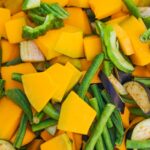
- Well-cooked, soft vegetables cut into small pieces
- Tender, moist meat that has been finely chopped or minced
- Flaky fish with no bones
- Soft, moist casseroles and stews with small pieces
- Cooked pasta and soft rice dishes
- Soft fruit such as ripe banana, canned peaches, or soft melon in small pieces
- Moist breads, pancakes, and soft sandwiches cut small
- Scrambled eggs, soft cheese, and moist mashed foods


What Foods Should Be Avoided?
The foods to avoid on Level 6 are the ones that are hard, dry, crumbly, stringy, or that form a large firm lump. These are the textures most likely to cause choking or to get stuck.
Foods generally not allowed at this level include:
- Nuts, seeds, and crunchy snack foods
- Raw hard vegetables like carrot sticks or celery
- Tough or gristly meat in large pieces
- Dry cakes, dry biscuits, and crumbly bread
- Stringy foods such as celery or pineapple
- Whole grapes, whole cherry tomatoes, and large chunks of any firm fruit
- Sticky foods like peanut butter or marshmallow that can clump
- Hard candy and chewing gum
Grapes and cherry tomatoes deserve a specific mention. Even though they are soft, their round shape and firm skin make them a well-documented choking risk. At Level 6 they would need to be cut into small pieces.
How Is the Diet Tested and Prepared?
The IDDSI framework includes simple bedside tests anyone can do, which is part of why it spread so quickly. For Level 6, the fork test and the piece-size rule are the main checks.
The fork test: press the side of a fork down on the food. It should squash easily and not spring back to its original shape. If it holds its shape or feels firm, it is too hard for Level 6.
The piece-size rule: no piece larger than 1.5 cm. That is about the width of an adult fingernail. Cutting food to this size reduces the chance of a piece blocking the airway.
Preparation matters as much as the food itself. Moisture is key. Dry food is harder to chew and more likely to crumble into pieces that are hard to control in the mouth. Adding gravy, sauce, or broth can bring a food into range. So can cooking it longer until it is tender.
How Does Level 6 Compare to Other Levels?
Placing Level 6 next to its neighbors makes the differences clear. The table below shows how the texture changes as a person moves up or down the scale.
| IDDSI Level | Name | Key Feature |
|---|---|---|
| Level 5 | Minced and Moist | Minced pieces no larger than 4 mm, moist and easy to swallow |
| Level 6 | Soft and Bite Sized | Soft pieces no larger than 1.5 cm, chewed before swallowing |
| Level 7 | Regular / Easy to Chew | Normal textures, no size restriction |
The jump from Level 5 to Level 6 is significant. Level 5 food is minced very small and does not require real chewing. Level 6 assumes the person can chew, just not tough or large pieces. Moving a person from Level 5 to Level 6 is a meaningful step toward normal eating, and it should follow a clinical assessment rather than a guess.
Why Does Texture Matter So Much?
Swallowing is a fast, complex act that most people never think about. It involves the tongue, the throat, and a flap of tissue called the epiglottis that keeps food out of the airway. When any part of that system is weakened, food can go down the wrong way.
When food enters the airway instead of the esophagus, it is called aspiration. This can cause choking, and it can also lead to aspiration pneumonia, a lung infection that is a real risk for people with swallowing problems. Texture modification is one of the main tools used to lower that risk.
This is where honest caution is warranted. Texture-modified diets are widely used and are considered standard practice in managing swallowing difficulty. But the evidence on how well they prevent pneumonia is not as strong as you might expect. Some studies suggest benefit, while others show mixed results. The clinical consensus is that they help, but they are not a guarantee. They work best as part of a broader plan that includes a proper swallowing assessment.
Does Level 6 Affect Nutrition?
People on texture-modified diets are at higher risk of not getting enough calories, protein, and fluids. This is a well-recognized concern, not a rare one.
There are a few reasons. Soft, moist foods can be less calorie-dense. Preparing separate meals takes effort, so people may eat less. And chewing fatigue can make a person stop eating before they have had enough. Over time this can lead to weight loss and poor nutrition.
A dietitian can help. Strategies often include adding healthy fats and sauces, using fortified milk or protein powders where appropriate, and offering small, frequent meals instead of three large ones. Anyone losing weight on this diet should raise it with their care team rather than wait.
Practical Tips for Everyday Meals
Managing a Level 6 diet at home is very doable with a few habits. The goal is to keep food soft, moist, and small without making every meal look the same.
- Cut everything to 1.5 cm or smaller before serving
- Add sauce, gravy, or broth to keep food moist
- Cook vegetables until they are tender, not crisp
- Chop or mince meat finely and keep it moist
- Avoid dry, crumbly, or stringy textures
- Offer fluids alongside meals, following any liquid thickness guidance from the care team
One detail people often miss: liquid texture is a separate decision from food texture. Someone can be on Level 6 food and still need thickened liquids, or they may handle thin liquids fine. These are set independently, and the food level does not tell you anything about the liquid level.
Frequently Asked Questions
What size are the food pieces on a Level 6 diet?
Pieces should be no larger than 1.5 cm, which is about the size of a pea or an adult fingernail. This size limit is one of the two main rules that define Level 6.
Can you eat bread on a Level 6 diet?
Only if it is soft and moist. Dry or crumbly bread is not suitable because it can break into hard pieces that are difficult to control in the mouth.
Is a Level 6 diet the same as a mechanical soft diet?
Not exactly. “Mechanical soft” is an older term that meant different things in different settings. Level 6 is a specific, standardized category within the IDDSI framework with defined size and texture rules.
Who decides if someone needs a Level 6 diet?
A speech-language pathologist or dietitian usually makes this call after assessing chewing and swallowing. It should not be self-prescribed based on how someone feels.
