
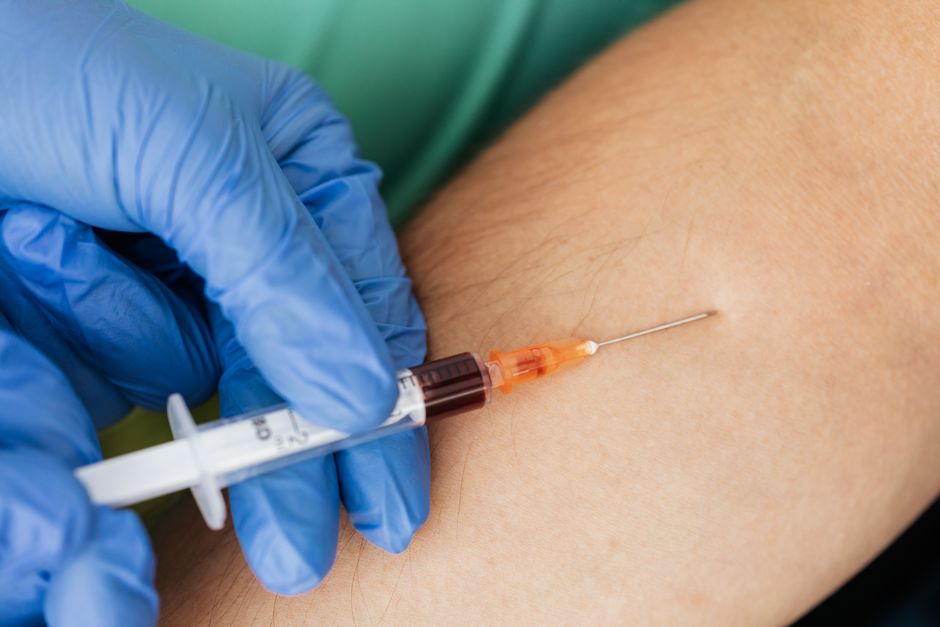
Leg ablation is a minimally invasive procedure that uses heat, laser energy, or special medical glue to close off diseased veins in the leg. Doctors most often use it to treat varicose veins and chronic venous insufficiency — conditions where faulty vein valves allow blood to pool in the lower legs instead of flowing back to the heart. The procedure redirects blood to healthy veins nearby, which relieves symptoms and improves circulation.
Why Do Veins in the Legs Fail?
Veins in your legs work against gravity. They have one-way valves inside that open to let blood flow upward toward the heart, then close to stop it from falling back down. When those valves weaken or stop working, blood pools in the vein. The vein stretches, bulges, and becomes what people call a varicose vein.
This condition is called chronic venous insufficiency. It affects millions of adults, and the risk goes up with age, pregnancy, obesity, and jobs that require long periods of standing or sitting. Family history also plays a role.
When blood pools in the legs, it causes more than cosmetic concerns. Common symptoms include aching, heaviness, swelling, itching, and restless legs. In more advanced cases, skin can become discolored, thickened, or develop open sores known as venous ulcers.
What Is A Leg Ablation For Vein Treatment?
Leg ablation is a procedure that closes a diseased vein from the inside. The goal is not to remove the vein but to seal it shut permanently. Once closed, the body reroutes blood through healthy veins. Over time, the closed vein turns into scar tissue and fades.
There are three main types of ablation used today:
- Endovenous laser ablation (EVLA) — A thin fiber is inserted into the vein, and laser energy heats the vein wall from within.
- Radiofrequency ablation (RFA) — A catheter delivers radiofrequency energy to heat the vein wall.
- Cyanoacrylate glue ablation — A medical adhesive is injected into the vein to seal it shut. No heat is used.
Each method achieves the same outcome: closing the faulty vein. The choice depends on the size and location of the vein, your anatomy, and your doctor’s recommendation.
Who Is a Candidate for Leg Ablation?
Not everyone with visible leg veins needs ablation. Many people have spider veins or small varicose veins that cause no symptoms. These are often treated for cosmetic reasons with sclerotherapy, not ablation.
Ablation is typically recommended when:
- You have painful or heavy legs that interfere with daily activities
- You have swelling that does not go away with elevation or compression stockings
- You have skin changes from chronic venous insufficiency, such as darkening or thickening of the skin
- You have a venous ulcer or a history of one
- Ultrasound shows that a large vein — most commonly the great saphenous vein — has failing valves
A venous ultrasound is the standard test before ablation. It maps the veins, measures blood flow, and identifies which valves are failing. This imaging is essential. Doctors do not perform ablation without it.
What Happens During the Procedure?
Leg ablation is an outpatient procedure. Most people go home the same day. It is performed with local anesthesia, meaning you are awake but the leg is numb. General anesthesia is rarely needed.
The basic steps are similar for laser and radiofrequency ablation:
- The skin is numbed with local anesthetic.
- The doctor makes a tiny puncture, usually near the knee or ankle.
- A catheter or fiber is guided into the diseased vein using ultrasound imaging.
- Tumescent anesthesia — a diluted numbing solution — is injected along the vein. This protects surrounding tissue from heat and reduces pain.
- The device delivers energy to the vein wall, causing it to heat, collapse, and seal.
- The catheter is removed, and a small bandage or compression stocking is applied.
Glue ablation follows a similar pattern but uses no heat. The doctor injects small amounts of medical adhesive into the vein, then applies pressure to close it.
The procedure typically takes 45 to 60 minutes. Most people report mild discomfort during the numbing injections but little pain during the treatment itself.
What Is Recovery Like After Ablation?
Recovery is generally fast compared to traditional vein stripping surgery, which involves removing the vein through incisions. Most people return to normal activities within a day or two.
You will likely be told to wear compression stockings for a period after the procedure. The exact duration varies by practice, but it is often one to two weeks. Walking is encouraged soon after the procedure. Walking helps maintain blood flow and reduces the risk of blood clots.
Heavy lifting, intense exercise, and prolonged standing are usually restricted for the first week or so. Most people can return to desk work within 24 to 48 hours.
Some bruising, tenderness, and mild swelling along the treated vein are normal. These symptoms typically resolve within a few weeks. The treated vein may feel like a hard cord for a month or two as it turns into scar tissue. This is expected and not a cause for concern.
How Effective Is Leg Ablation?
Ablation is one of the most effective treatments for venous insufficiency. Studies consistently show high success rates for closing treated veins. Research has compared laser and radiofrequency ablation and found both to be highly effective with similar outcomes.
Most people report significant improvement in symptoms like aching, heaviness, and swelling. The cosmetic appearance of bulging veins also improves as the closed vein shrinks.
However, ablation treats the veins that are currently failing. It does not prevent new veins from developing problems in the future. Venous insufficiency is a progressive condition for many people. You may need additional treatment years later for different veins.
What Are the Risks and Side Effects?
Ablation is considered a safe procedure, but like any medical treatment, it carries some risks. The most common side effects are minor and temporary:
- Bruising and tenderness along the treated vein
- Mild swelling
- Temporary numbness or tingling from irritation of nearby nerves
- Skin burns, though rare with modern techniques
More serious complications are uncommon but possible. These include:
- Deep vein thrombosis (DVT) — a blood clot in a deep vein. This is the most concerning complication and occurs in a small percentage of cases.
- Infection at the puncture site
- Damage to nearby nerves or arteries
- Blood clots in the treated vein itself, called thrombophlebitis
Your doctor will discuss these risks with you before the procedure and explain the signs to watch for afterward. Sudden leg swelling, severe pain, chest pain, or shortness of breath require immediate medical attention.
How Does Ablation Compare to Other Treatments?
Ablation has largely replaced surgical vein stripping for most patients. Vein stripping requires general anesthesia, leaves larger scars, and has a longer recovery. Ablation achieves similar or better results with far less downtime.
Sclerotherapy is another option, but it is used for smaller veins. In sclerotherapy, a solution is injected into the vein to irritate its walls and make them stick together. It works well for spider veins and small varicose veins, but it is less effective for the larger saphenous veins that ablation targets.
Some practices offer newer options like mechanochemical ablation, which combines a rotating catheter tip with a chemical sclerosant. This technique uses no heat, which may reduce the risk of nerve injury. Evidence is still emerging, and it is not as widely used as laser or radiofrequency ablation.
Does Insurance Cover Leg Ablation?
Most insurance plans, including Medicare, cover leg ablation when it is medically necessary. That means you must have symptoms and ultrasound evidence of venous reflux. Cosmetic treatment for veins without symptoms is typically not covered.
Before scheduling the procedure, your doctor’s office will usually verify your coverage and obtain prior authorization. You should also confirm your out-of-pocket costs, including the copay and any charges for the compression stockings, which are not always covered.
How to Choose a Doctor for Leg Ablation
Look for a vascular surgeon, interventional radiologist, or vein specialist with experience in ablation. Ask how many procedures they perform each year. Ask about their complication rates. A doctor who performs these procedures regularly is more likely to handle complications well if they occur.
You should also ask which type of ablation they recommend for your specific case and why. A good doctor will explain the evidence for their choice and address your concerns honestly.
Frequently Asked Questions
Is leg ablation a painful procedure?
Most people feel only mild discomfort, mainly from the numbing injections at the start. During the procedure itself, most patients report little to no pain.
How long does it take to recover from leg ablation?
Most people return to normal activities within one to two days. Strenuous exercise and heavy lifting are usually restricted for about a week.
Can varicose veins come back after ablation?
The treated vein stays closed, but new veins can develop problems over time. Venous insufficiency is a progressive condition, and some people need additional treatment in the future.
Do I need to wear compression stockings after ablation?
Yes, most doctors recommend wearing compression stockings for one to two weeks after the procedure. Walking regularly during this time helps reduce the risk of blood clots.
