

A kissing bug is a blood-feeding insect in the subfamily Triatominae, found mainly in the Americas. It gets its nickname because many species bite people around the mouth and face while they sleep. The bite itself is usually painless, but the insect is best known as a carrier of Trypanosoma cruzi, the parasite that causes Chagas disease.
Most people in the United States will never encounter one. But the insect has been moving into new parts of the country, and that has raised real questions about risk. Here is what is established, what is uncertain, and what you actually need to know.
What Is a Kissing Bug and What Does It Look Like?
Kissing bugs are true bugs, related to stink bugs and boxelder bugs. They are not beetles, ticks, or bedbugs, though people confuse them with all three.
An adult kissing bug has a few features that make it identifiable:
- A long, cone-shaped head with a slender beak tucked underneath
- A pear-shaped or oval body about the size of a penny, sometimes larger
- Six legs and wings that lie flat across the back
- A distinct band around the edge of the abdomen, often with orange, red, or yellow markings
The color pattern varies by species. Some are mostly black or brown with red-orange edges. Others are tan with darker markings.
One thing that separates kissing bugs from many other biting insects is their size. They are large enough to see clearly, usually between 0.5 and 1 inch long as adults. If something bites you and you later find a big, winged, cone-headed bug nearby, that is worth noting.
Kissing bugs pass through five immature stages before becoming adults. The young look like smaller versions of the adults but have no fully developed wings.
Where Do Kissing Bugs Live and Where Are They Found?
There are more than 100 species of kissing bugs. Most live in Latin America, where they are a major public health concern. A smaller number of species are native to the southern and central United States.
In the U.S., kissing bugs have been documented in states including Texas, Arizona, New Mexico, California, and parts of the Southeast and Midwest. Texas has the most reported encounters, partly because it has a well-established surveillance program.
They tend to live in:
- Rock piles, woodpiles, and under bark
- Animal burrows and nests, especially those of pack rats and other rodents
- Chicken coops and livestock pens
- Cracks in outdoor structures, dog houses, and porches
Kissing bugs are not a household infestation in the way bedbugs are. They live outdoors and feed on wildlife and domestic animals. They come inside mostly by accident, drawn in by light or wandering through gaps.
This is a key difference from Latin America, where certain species have adapted to live inside homes, hiding in wall cracks and thatched roofs. That indoor living is what makes transmission to humans so much more common there.
What Is Chagas Disease and How Do Kissing Bugs Spread It?
Chagas disease is caused by the parasite Trypanosoma cruzi. Kissing bugs pick up the parasite when they feed on an infected animal or person. The parasite then lives in the bug’s gut.
Here is the part that surprises many people. The parasite is not injected through the bite. Instead, the bug defecates while or shortly after feeding, and the parasite is in that waste. If a person scratches the bite or touches the waste and then touches their eyes, mouth, or an open cut, the parasite can enter the body.
That is why the timing matters. The risk comes from the bug’s habit of feeding and then defecating near the bite site. Not every kissing bug species does this equally. Some defecate quickly after feeding, which raises transmission risk. Others wait longer, which lowers it.
Chagas disease has two phases:
- Acute phase: Lasts a few weeks to a few months. Often mild or symptom-free. Some people get fever, fatigue, body aches, or swelling around the bite or one eyelid.
- Chronic phase: Can last for decades. Most people have no symptoms, but roughly a minority develop serious heart or digestive complications years later.
The acute phase is frequently missed because symptoms are vague or absent. That is one reason Chagas is underdiagnosed in many places.




Can You Get Chagas Disease in the United States?
Human infection from kissing bugs in the U.S. is rare but documented. The CDC considers locally acquired cases uncommon, and most U.S. cases are linked to travel or residence in Latin America.
Why is transmission less common here? A few reasons are well established:
- U.S. kissing bug species tend to defecate later after feeding, giving people less exposure to the parasite
- Housing quality is generally better, with fewer cracks and thatched roofs where bugs live
- Many U.S. kissing bugs carry the parasite at lower rates than species in endemic regions
The evidence here is not fully settled. Some studies have found T. cruzi in a meaningful share of U.S. kissing bugs, and there is ongoing debate about how much human transmission occurs without being detected. The honest position is that autochthonous, or locally acquired, cases do happen, but they remain uncommon.
Blood donation screening for Chagas has been in place in the U.S. for years, which has caught infections that might otherwise have gone unnoticed. That screening is one reason the true number of cases is better understood than it once was.
What Happens If You Get Bitten by a Kissing Bug?
For most people, a bite is uncomfortable but not dangerous on its own. The bite is often painless while it happens because the bug’s saliva contains compounds that dull pain.
Afterward, some people develop:
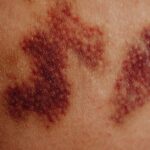
- A raised, itchy welt or cluster of welts
- Redness and swelling at the bite site
- In rare cases, a severe allergic reaction
Anaphylaxis from kissing bug bites has been reported, though it is uncommon. Signs include widespread hives, swelling of the throat or face, trouble breathing, or a drop in blood pressure. That is a medical emergency.
The bigger concern is not the bite itself but the parasite. If you are bitten and you live in or have visited an area where kissing bugs are common, avoid scratching the bite. Wash the area with soap and water. Do not crush the bug against your skin.
If you find a kissing bug in or near your home, you can contact your state health department or a university extension office. Some programs accept samples for identification and testing. This is genuinely useful because it helps track where the insects are and whether they carry the parasite.
How Is Chagas Disease Diagnosed and Treated?
Diagnosis depends on the stage. During the acute phase, the parasite can sometimes be found directly in the blood. In the chronic phase, diagnosis relies on blood tests that detect antibodies against T. cruzi. Because no single test is perfect, guidelines generally call for two different tests to confirm a diagnosis.
Treatment uses antiparasitic medications, primarily benznidazole and nifurtimox. These are the only drugs with established efficacy against T. cruzi, and both are available in the U.S. through the CDC.
What the evidence shows about treatment:
- Treatment is most effective during the acute phase and in recently infected people
- In chronic infection, the benefit is less clear and depends on age, symptoms, and how long the person has been infected
- Both drugs can cause significant side effects, which is one reason treatment decisions are made case by case with a clinician
This is not a situation for self-treatment or internet remedies. Anyone with confirmed or suspected Chagas should be evaluated by a doctor familiar with the disease, often an infectious disease specialist.
How Can You Reduce Your Risk?
Prevention focuses on keeping kissing bugs out of living spaces and away from sleeping areas.
- Seal cracks around windows, doors, and foundations
- Keep woodpiles and rock piles away from the house
- Reduce outdoor lighting near entry points, since bugs are drawn to light
- Keep pets from sleeping outdoors in areas where kissing bugs are common
- Use screens on windows and doors
- Check bedding and sleeping areas if you live in or visit an endemic region
Insect repellents may help reduce bites, though there is limited research on how well they work specifically against kissing bugs compared with mosquitoes or ticks. Bed nets are used in some endemic areas, but their effectiveness against kissing bugs is not as well established as it is for malaria-carrying mosquitoes.
If you have lived in or traveled to Latin America and have unexplained heart symptoms, it is reasonable to mention that history to your doctor. Chagas is not always on the radar in U.S. clinics, and bringing it up can matter.
How Does a Kissing Bug Differ From a Bedbug or Tick?
People often mix these up, and the differences matter.
| Feature | Kissing Bug | Bedbug | Tick |
|---|---|---|---|
| Size | About 0.5 to 1 inch | About 0.2 inch | Varies, often smaller |
| Shape | Cone-shaped head, oval body | Flat, round, apple-seed shape | Teardrop or oval, no wings |
| Wings | Yes, as adults | No | No |
| Where found | Outdoors, near animal nests | Indoors, in furniture and seams | Outdoors, in grass and woods |
| Disease risk | Chagas disease | None known | Multiple diseases |
Bedbugs are not known to transmit disease to humans. Ticks transmit several illnesses, but not Chagas. Kissing bugs are the only one of the three linked to T. cruzi.
Frequently Asked Questions
Are kissing bugs dangerous?
The bite itself is usually not dangerous, but kissing bugs can carry the parasite that causes Chagas disease. Most bites do not lead to infection, especially in the United States.
What should I do if I find a kissing bug in my house?
Do not crush it against your skin. Capture it in a container and contact your state health department or a university extension office, since some programs test samples for the parasite.
Can kissing bugs make you sick in the United States?
Locally acquired Chagas cases in the U.S. are rare but have been documented. Most U.S. cases are linked to travel or living in Latin America.
How do you know if you have Chagas disease?
Chagas is diagnosed with blood tests, usually two different tests to confirm the result. Many people have no symptoms for years, so testing is the only reliable way to know.
