
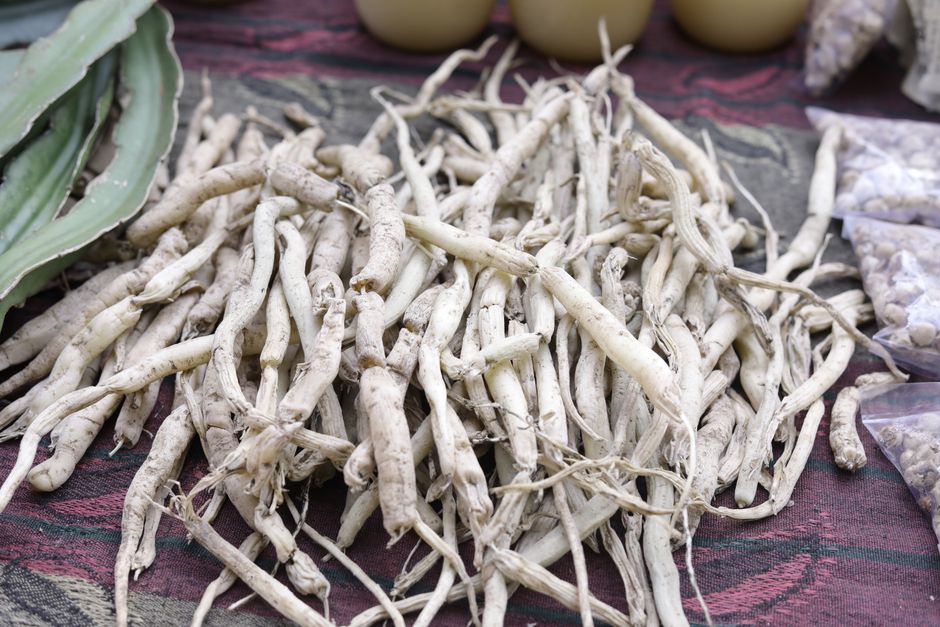
Jicama is a crisp, juicy root vegetable native to Mexico and Central America. It looks like a round or oblong brown potato, but inside it is white, crunchy, and mildly sweet like a water chestnut or apple. Botanically known as Pachyrhizus erosus, jicama is eaten raw in salads, slaws, and snacks, though it can also be cooked. Only the root is edible — the rest of the plant contains a natural insecticide called rotenone and is toxic.
What Does Jicama Taste Like?
Jicama tastes like a cross between a pear and a potato. It has a mild, slightly sweet flavor with a texture that stays crunchy even after sitting out. Raw jicama is refreshing and juicy, similar to a crisp apple but less sweet.
Cooking changes the flavor slightly. When stir-fried or roasted, jicama softens but keeps some crunch. It absorbs the flavors around it, which makes it useful in soups and stir-fries. Some people find cooked jicama tastes more like a mild potato or turnip.
The skin is tough and fibrous, so you always peel it before eating. The white flesh underneath does not brown quickly like apples or pears, which makes it convenient for meal prep.
Is Jicama Good for You? Nutrition Facts
Jicama is low in calories and high in nutrients. A one-cup serving of raw jicama sticks (about 130 grams) contains roughly 45 to 50 calories. It has almost no fat and very little protein.
What jicama does have in significant amounts is fiber and vitamin C. The same serving provides about 6 grams of fiber — that is roughly 20 to 25 percent of the daily recommended intake for most adults. For comparison, a medium apple has about 4 grams of fiber. Jicama also delivers around 40 percent of your daily vitamin C needs per serving.
Jicama contains inulin, a type of prebiotic fiber. Inulin feeds the beneficial bacteria in your gut. The CDC notes that dietary fiber from vegetables like jicama supports digestive health and helps maintain regular bowel movements.
Other nutrients present in smaller amounts include potassium, magnesium, and iron. Jicama has a low glycemic load, meaning it does not spike blood sugar quickly. This makes it a reasonable option for people managing diabetes or insulin resistance.
| Nutrient | Amount per 1 cup (130g) raw | % Daily Value (approx) |
|---|---|---|
| Calories | 46 | 2% |
| Fiber | 6.4 g | 23% |
| Vitamin C | 26.3 mg | 44% |
| Potassium | 180 mg | 5% |
| Carbohydrates | 11 g | 4% |
How Do You Prepare and Eat Jicama?
Start by peeling off the brown skin with a vegetable peeler or a sharp knife. The skin is thick and papery, so do not skip this step. Once peeled, slice the white flesh into sticks, rounds, or cubes.
Raw jicama is the most common way to eat it. Toss jicama sticks into a salad for crunch. Dip them in lime juice and chili powder for a classic Mexican snack. Add them to coleslaw instead of cabbage for a lighter texture.
Jicama also works cooked. Stir-fry jicama strips with bell peppers and onions for a few minutes. Roast jicama cubes with olive oil and salt at 400°F for about 20 minutes. You can also add diced jicama to soups or stews near the end of cooking so it retains some firmness.
Some people eat jicama raw with hummus, guacamole, or yogurt dip. It holds up well in lunchboxes because it does not turn brown or get soggy.





What Are the Health Benefits of Eating Jicama?
Research published in the Journal of Food Science and Technology has found that jicama contains antioxidants such as vitamin C and flavonoids. These compounds help neutralize free radicals, which are unstable molecules that can damage cells over time.
The high fiber content supports digestion in two ways. Insoluble fiber adds bulk to stool and helps prevent constipation. Soluble fiber, including inulin, feeds gut bacteria. A 2017 study in Nutrients linked inulin intake to improved gut microbiome diversity and better metabolic health.
Some studies suggest that jicama may help with blood sugar control. A small 2015 study in the Journal of Medicinal Food found that jicama extract lowered blood glucose levels in rats. Human research is limited, but the low glycemic load and high fiber content make it a reasonable choice for stable blood sugar.
Jicama also supports bone health indirectly. It contains small amounts of magnesium and potassium, both of which play roles in bone density. The vitamin C content helps with collagen production, which is important for skin and joint health.
Evidence indicates that eating jicama regularly as part of a vegetable-rich diet may reduce inflammation. The antioxidants and fiber work together to lower markers of chronic inflammation in the body.
Are There Any Risks or Side Effects of Jicama?
The root is safe to eat raw or cooked. However, every other part of the jicama plant — the leaves, stems, seeds, and vines — contains rotenone. Rotenone is a natural pesticide that can cause nausea, vomiting, and neurological symptoms if eaten in large amounts. The CDC classifies rotenone as a possible human carcinogen based on animal studies.
Do not eat the seeds. They contain high concentrations of rotenone and are sometimes used as fish poison in traditional practices. Stick to the root only.
For most people, eating jicama causes no problems. Some individuals may experience gas or bloating if they eat large amounts. This is because of the inulin fiber. If you are not used to high-fiber foods, start with a small serving — about half a cup — and see how your digestive system responds.
People with irritable bowel syndrome (IBS) who are sensitive to fermentable carbohydrates may react to jicama. It contains fructans, which are a type of FODMAP. A 2020 review in Gastroenterology & Hepatology noted that some individuals with IBS tolerate small amounts of jicama but may have symptoms with larger servings.
Allergic reactions are rare but possible. If you have a known allergy to legumes, jicama is in the same plant family (Fabaceae), so proceed with caution.
How Do You Store Jicama to Keep It Fresh?
Whole jicama stores well. Keep it in a cool, dry place away from direct sunlight. A pantry or dark cabinet works fine. Whole jicama can last for two to three weeks under these conditions.
Once you cut into it, store leftovers in the refrigerator. Wrap the cut pieces tightly in plastic wrap or place them in an airtight container. Peeled jicama sticks can last about a week in the fridge.
Do not freeze raw jicama. The high water content causes the texture to break down, turning it mushy when thawed. If you want to freeze jicama, blanch it first by boiling for two minutes, then plunge into ice water. Even then, expect a softer texture after thawing.
Jicama that has turned soft, slimy, or developed dark spots should be thrown away. Fresh jicama should feel firm and heavy for its size.
Common Misconceptions About Jicama
Some people confuse jicama with a potato because of the brown skin. They are not related. Jicama is a legume, not a nightshade like potatoes. It is also not a turnip or a radish, though it looks similar.
Another misconception is that jicama is a low-fiber vegetable. It is actually one of the higher-fiber root vegetables available in most grocery stores. A cup of jicama has more fiber than a cup of carrots or celery.
Some believe you can eat jicama skin. You should not. The skin is tough, fibrous, and difficult to digest. It also may contain dirt or pesticide residue. Always peel it.
There is a widespread claim that jicama can cure or prevent cancer. As of 2026, there is no clinical evidence that eating jicama prevents cancer in humans. The antioxidants in jicama are beneficial, but no single food has been proven to prevent cancer. The American Institute for Cancer Research recommends a diet rich in a variety of vegetables, not any one vegetable specifically.
Frequently Asked Questions
Can you eat jicama raw?
Yes, jicama is most commonly eaten raw. Just peel the brown skin first and slice it into sticks or rounds.
Is jicama a fruit or a vegetable?
Jicama is a root vegetable. Botanically it is the tuberous root of a legume plant.
Does jicama need to be refrigerated?
Whole jicama does not need refrigeration. Store it in a cool, dark pantry. Cut jicama should be refrigerated in an airtight container.
Can dogs eat jicama?
Yes, dogs can eat small amounts of peeled jicama. Do not feed them the skin, leaves, or seeds, which are toxic.
