
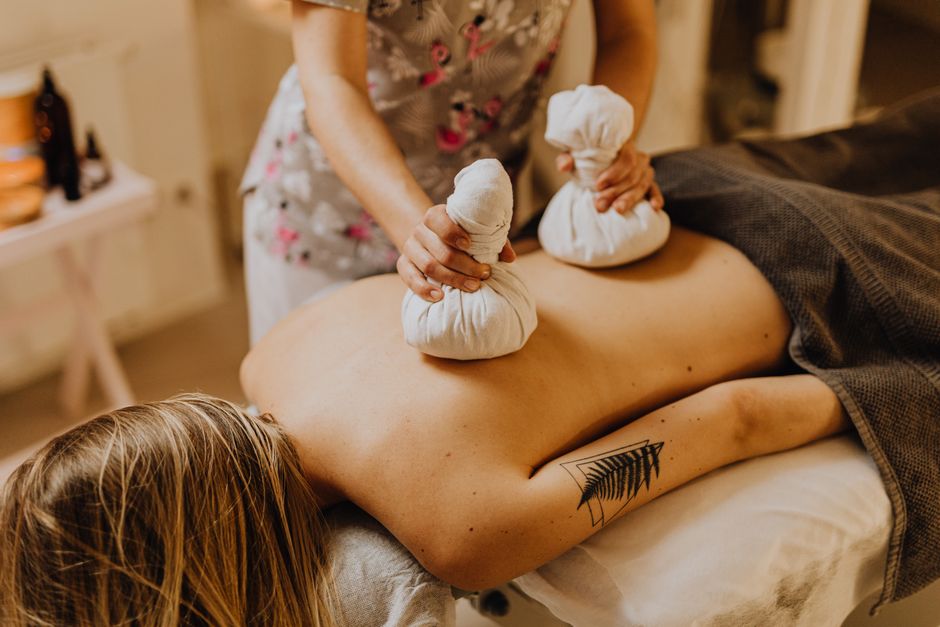
A hot compress is a simple, time-tested tool for pain relief. It is a warm, moist cloth or pack applied directly to the skin. The heat works by increasing blood flow to the area, which helps relax tight muscles and ease stiffness. It is one of the most basic and effective home remedies for certain types of aches and pains.
How Does a Hot Compress Work?
Heat therapy works through a straightforward biological process. When you apply warmth to your skin, the blood vessels beneath the surface widen. This process is called vasodilation. Wider blood vessels mean more oxygen and nutrients reach the tissues in that area.
This increased blood flow helps soothe sore muscles and reduces joint stiffness. It also stimulates sensory receptors in the skin. This can temporarily reduce the transmission of pain signals to the brain, making the area feel more comfortable.
The warmth also helps relax muscle fibers. Tight, spasming muscles often loosen up when heat is applied consistently. This is why heat feels so good on a stiff neck or a tense lower back.
When Should You Use a Hot Compress?
Heat is most effective for chronic pain and stiffness. It is the go-to choice for conditions that have been present for a while, rather than fresh injuries.
Common situations where a hot compress helps include:
- Menstrual cramps
- Chronic lower back pain
- Neck and shoulder tightness
- Arthritis stiffness
- Muscle soreness after exercise
Heat is particularly useful before physical activity. Applying warmth to a stiff joint or muscle before stretching can improve flexibility and reduce the risk of injury. It prepares the tissue for movement.
When Should You NOT Use a Hot Compress?
Heat is not for everything. The most important rule is to avoid heat on new, acute injuries. If you just sprained an ankle or pulled a muscle, skip the heat for the first 48 hours.
Fresh injuries involve swelling and inflammation. Heat increases blood flow, which can actually make swelling worse. For a new injury, use a cold compress instead. Cold constricts blood vessels and limits swelling.
Do not use a hot compress on areas with broken skin, blisters, or open wounds. Heat can increase bleeding and promote infection. If you have a condition that affects sensation, like diabetes or neuropathy, be extra cautious. You may not feel if the compress is too hot, which increases your risk of burns.





How to Make a Hot Compress at Home
Making a hot compress is easy and requires only common household items. The most traditional method uses a clean cloth and warm water.
Start by running warm water from your tap. The water should feel comfortably warm on your wrist, not hot. Soak a clean washcloth or small towel in the water. Wring it out so it is damp but not dripping.
Fold the cloth and place it on the affected area. Leave it in place for 15 to 20 minutes. Re-wet the cloth with warm water if it cools down too quickly. You can repeat this process several times a day as needed.
For a dry heat option, you can use a microwaveable gel pack or a heating pad. If using a microwave pack, follow the manufacturer’s instructions carefully. Always test the temperature on your forearm before applying it to the painful area.
Never use a hot compress while sleeping. You cannot monitor the temperature, and prolonged exposure can cause burns. Set a timer if you are prone to relaxing or dozing off during treatment.
Hot Compress vs. Cold Compress
Understanding the difference between heat and cold therapy is essential. They work in opposite ways and are used for different phases of injury and pain.
Heat promotes blood flow and relaxes muscles. Cold reduces blood flow and numbs pain. Choosing the wrong one can delay healing or increase discomfort.
Here is a simple comparison to guide your choice:
| Treatment | Best For | When to Use |
|---|---|---|
| Hot Compress | Muscle stiffness, chronic pain, joint arthritis | After the first 48 hours, before activity |
| Cold Compress | Swelling, acute injuries, sharp pain | Immediately after injury, within 48 hours |
Some people alternate between heat and cold. This is called contrast therapy. It can be helpful for certain conditions, but the evidence supporting it is limited. For most home use, sticking to one method based on your symptoms is the safest approach.
Safety Tips and Precautions
Burns are the main risk of using a hot compress. Your skin can burn even at temperatures that feel tolerable at first. Always start with a lower temperature and increase it gradually if needed.
Limit each session to 20 minutes or less. Longer sessions do not provide extra benefit and increase the risk of skin damage. Allow the skin to return to its normal temperature between sessions.
Avoid using heat on areas with poor circulation or on regions that are numb. If you have heart disease or high blood pressure, talk to your doctor before using heat therapy on large areas of your body. Heat causes blood vessels to widen, which can affect blood pressure.
Pregnant women should be cautious with heat on the abdomen and lower back. Excessive heat in these areas is not well studied. Some clinicians recommend avoiding prolonged heat exposure during pregnancy. If you are pregnant, check with your healthcare provider before using a hot compress.
When to See a Doctor
A hot compress is a home remedy, not a cure. If your pain does not improve after a few days of heat therapy, it is time to seek medical advice.
See a doctor if you experience any of the following:
- Pain that is severe or getting worse
- Swelling that does not go down
- Redness or warmth in the area that spreads
- Fever accompanying your pain
- Numbness or weakness in the affected limb
These symptoms may indicate an infection or a more serious underlying condition. Heat will not resolve these issues, and delaying treatment can make things worse. Listen to your body. If something feels wrong, professional evaluation is the right step.
Frequently Asked Questions
How long should I leave a hot compress on?
Leave a hot compress on for 15 to 20 minutes per session. Remove it sooner if the area becomes red or uncomfortable.
Can I use a hot compress on a swollen ankle?
No, avoid heat on a swollen ankle within the first 48 hours of injury. Use a cold compress to reduce swelling instead.
Is it safe to use a hot compress every day?
Yes, daily use is generally safe for chronic pain if you limit sessions to 20 minutes. Allow the skin to cool completely between applications.
Does a hot compress help with headaches?
Heat can help with tension headaches by relaxing tight neck and shoulder muscles. For migraines, cold compresses are often more effective.
