
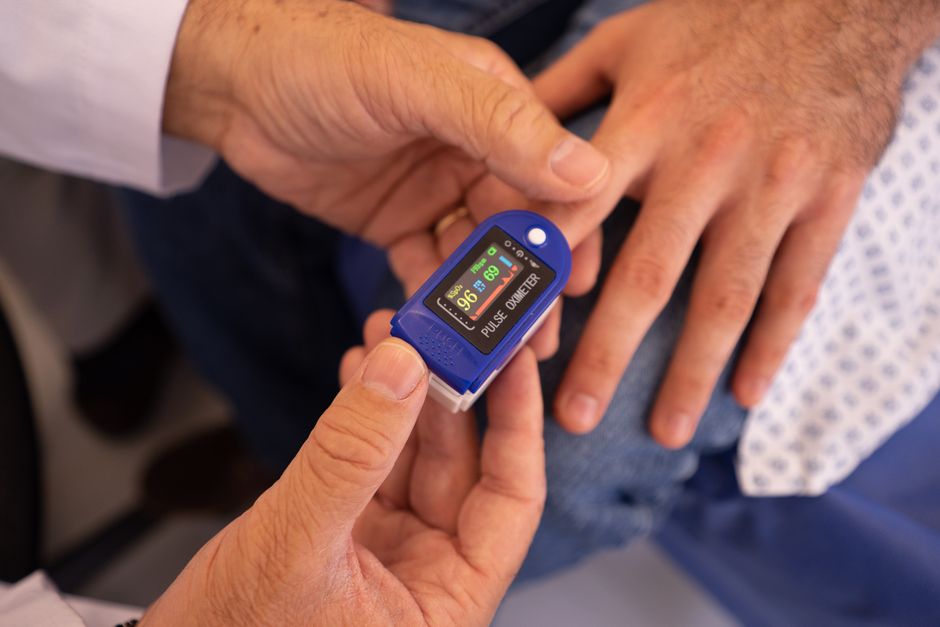
A pulse rate above 100 beats per minute at rest is considered high. That threshold comes from established clinical reference ranges, not from a single study. For most healthy adults, a normal resting heart rate falls between 60 and 100 beats per minute.
When your heart beats faster than that at rest, it is called tachycardia. The word comes from Greek — “tachy” meaning fast, “cardia” meaning heart. It is a description, not a diagnosis. The reason behind the fast rate matters far more than the number itself.
What Is A High Pulse Rate?
A high pulse rate means your heart is beating more than 100 times per minute while you are at rest. Doctors call this tachycardia.
Your pulse is the pressure wave you feel when your heart pushes blood through your arteries. Each beat sends a wave you can feel at your wrist, neck, or groin. Counting those waves for 60 seconds gives you your pulse rate in beats per minute.
Rest matters. If you just climbed stairs or drank three cups of coffee, a rate over 100 may be completely normal. The definition applies when you are calm, seated, and have not recently exerted yourself.
There are different types of tachycardia. Some start in the upper chambers of the heart. Some start in the lower chambers. The lower-chamber types are generally more serious. A doctor can tell the difference with an electrocardiogram, often called an EKG or ECG.
What Causes A High Pulse Rate?
Causes fall into two broad groups: normal responses and abnormal heart rhythms.
Normal responses happen when your body genuinely needs more blood flow. Exercise, fever, anxiety, pain, dehydration, and low blood pressure all push the heart to beat faster. Anemia can do it too, because fewer oxygen-carrying red blood cells mean the heart must work harder. An overactive thyroid gland is another well-established cause. So are stimulants like caffeine, nicotine, and some decongestants.
Abnormal rhythms happen when the heart’s electrical system misfires. The heart has a natural pacemaker called the sinus node. It sends electrical signals that tell the chambers when to squeeze. When extra signals come from somewhere else, or when the wiring short-circuits, the heart can race even when the body does not need it to.
Common rhythm problems include atrial fibrillation, where the upper chambers quiver instead of squeezing in an organized way. Supraventricular tachycardia is a sudden racing that starts and stops abruptly. Ventricular tachycardia starts in the lower chambers and can be dangerous.
Some causes are not about the heart’s wiring at all. A blood clot in the lung, called a pulmonary embolism, can cause a rapid pulse. So can severe infections, major blood loss, and certain electrolyte imbalances. These are medical emergencies.
What Does A High Pulse Rate Feel Like?
Some people feel nothing at all. Others notice a fluttering, pounding, or racing sensation in the chest. That awareness is called palpitations.
Other possible symptoms include:
- Lightheadedness or dizziness
- Shortness of breath
- Chest discomfort
- Fainting or near-fainting
- Unusual fatigue
- Confusion, especially in older adults
Not everyone with a fast pulse has symptoms. A person can have a rate of 120 and feel fine. Another can have a rate of 105 and feel terrible. Symptoms depend on many factors, including how well the heart is pumping and how long the fast rate lasts.
One detail worth knowing: a fast pulse and palpitations are not the same thing. Palpitations are the sensation. Tachycardia is the measured rate. You can have one without the other.





When Should You Take A High Pulse Rate Seriously?
Call emergency services if a fast pulse comes with chest pain, fainting, severe shortness of breath, or confusion. These signs suggest the heart may not be pumping enough blood to the brain and body.
See a doctor soon if you notice a resting pulse consistently above 100, if episodes come and go without a clear trigger, or if you have a known heart condition and your pulse changes.
The number alone does not tell the whole story. A trained athlete might have a resting pulse in the 40s and be perfectly healthy. A person with a heart condition might have a pulse of 95 and be in trouble. Context matters.
Age matters too. Infants and young children normally have much faster heart rates than adults. A resting rate of 120 in a newborn is expected. In a 50-year-old, it is not.
How Is A High Pulse Rate Evaluated?
A doctor starts with your history and a physical exam. They will ask when the fast rates happen, how long they last, and what you were doing when they started.
An electrocardiogram is the main tool. It records the heart’s electrical activity and can show whether the rhythm is normal or abnormal. If the fast rate comes and goes, a single EKG in the office may miss it. In that case, a doctor may recommend a portable monitor you wear for a day or longer.
Blood tests can check for anemia, thyroid problems, and electrolyte imbalances. An echocardiogram, which uses sound waves to create pictures of the heart, can show structural problems.
Sometimes the cause is obvious — you were dehydrated, or you had a fever. Sometimes it takes several tests to find the answer. That is normal.
Can You Lower A High Pulse Rate?
It depends entirely on the cause. If dehydration is the trigger, drinking fluids may bring the rate back to normal. If caffeine or nicotine is the trigger, reducing them may help. If an overactive thyroid is the cause, treating the thyroid usually corrects the pulse.
For abnormal heart rhythms, treatment may include medications that slow the heart, procedures to reset the rhythm, or a procedure called ablation that destroys the small area of heart tissue causing the problem. Some people need a pacemaker or an implantable defibrillator.
Lifestyle factors can influence resting heart rate over time. Regular aerobic exercise tends to lower it. So does getting enough sleep and managing stress. But these are general influences, not guaranteed fixes for a specific rhythm problem.
No single approach works for everyone. What helps one person may do nothing for another. The right treatment depends on the exact cause, your overall health, and how much the fast rate affects your daily life.
One non-obvious point: a slow resting pulse is not automatically healthier than a fast one. In athletes, a slow pulse reflects efficient heart function. In someone with a conduction problem, a slow pulse can be dangerous. The number is a clue, not a verdict.
What Is The Difference Between A Fast Pulse And A High Blood Pressure?
They are two different measurements. Pulse rate is how often your heart beats. Blood pressure is the force of blood against your artery walls.
You can have a fast pulse with normal blood pressure. You can have high blood pressure with a normal pulse. They can also occur together, but one does not cause the other.
This confuses many people. A racing heart does not mean your blood pressure is high. A high blood pressure reading does not mean your pulse is fast. They are measured separately and mean different things.
What Is A Normal Resting Pulse Rate?
For most adults, a normal resting heart rate is 60 to 100 beats per minute. Well-trained athletes often have rates below 60 at rest, sometimes in the 40s, without any problem.
Children have faster normal rates than adults. Newborns typically range from 100 to 160 beats per minute. By adolescence, the range narrows toward adult values. These ranges come from standard clinical references and apply at rest.
Several things shift your resting rate throughout the day. It rises with activity, stress, fever, and pain. It falls during sleep. A single reading rarely tells you much. A pattern over time is more useful.
Frequently Asked Questions
What is considered a high pulse rate?
A resting pulse above 100 beats per minute is considered high in adults. This threshold applies when you are calm and have not recently exerted yourself.
Is a pulse of 110 at rest dangerous?
It depends on the cause and your overall health. A rate of 110 at rest should be evaluated by a doctor, but it is not automatically an emergency.
Can anxiety cause a high pulse rate?
Yes. Anxiety triggers the release of adrenaline, which speeds up the heart. The rate usually returns to normal once the anxiety passes.
Does a high pulse rate mean a heart attack?
No. A fast pulse has many possible causes, and most are not a heart attack. Chest pain, fainting, or severe shortness of breath along with a fast pulse requires emergency care.
