

A high level of alcohol in the blood means the amount of ethanol circulating in your bloodstream has crossed a threshold that impairs your body and mind. In the United States, the legal limit for driving is a blood alcohol concentration (BAC) of 0.08%. At that level, most people show clear signs of impairment. Above it, the risks to your brain, heart, and life rise sharply.
BAC is measured as the percentage of alcohol in your blood. A reading of 0.08% means 0.08 grams of alcohol per 100 milliliters of blood. That number is not just a legal marker. It reflects how much alcohol has moved from your gut into your bloodstream and how quickly your liver can clear it.
How Is Blood Alcohol Concentration Measured?
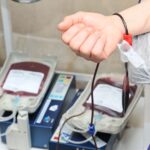
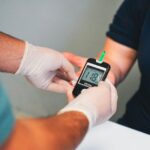
BAC is most accurately measured through a blood sample. Breath tests, which estimate BAC from alcohol in your breath, are the most common method used by law enforcement. They are generally reliable but can be affected by factors such as mouthwash, certain medications, and how recently you drank.
The relationship between alcohol in your breath and alcohol in your blood is based on a well-established physiological principle. When alcohol passes through your lungs, some of it transfers into the air you exhale. The ratio of breath alcohol to blood alcohol is consistent enough that breath analyzers can estimate BAC with reasonable accuracy when used correctly.
Other methods exist. Urine tests can detect alcohol, but they measure metabolites and cannot give a precise current BAC. Saliva and sweat tests are less common and less accurate. For clinical and legal purposes, blood and breath testing remain the standard.
What Factors Affect How High Your BAC Gets?
Many things determine how high your BAC climbs after drinking. The same number of drinks can produce very different BAC levels in two people.
- Body weight and composition. Alcohol distributes throughout body water. A person with more body water (generally someone heavier or more muscular) will have a lower BAC from the same amount of alcohol than a smaller person or someone with more body fat.
- Sex. At the same body weight and same number of drinks, women typically reach a higher BAC than men. This is partly because women generally have less body water and different levels of alcohol-metabolizing enzymes.
- How fast you drink. Your liver processes alcohol at a fairly fixed rate. Drinking quickly overwhelms that rate, and BAC rises faster.
- Food in your stomach. Eating before or while drinking slows the absorption of alcohol into your bloodstream. An empty stomach leads to a faster rise in BAC.
- Medications and health conditions. Some drugs interact with alcohol or affect liver function. Liver disease can slow alcohol metabolism.
- Genetics. Enzyme variants affect how quickly your body breaks down alcohol. Some people metabolize it faster or slower than average.
Age also plays a role. Older adults tend to have less body water and may metabolize alcohol more slowly than younger adults. This means the same drink can produce a higher BAC in a 60-year-old than in a 30-year-old of similar size.
What BAC Levels Mean for Impairment and Risk
The effects of alcohol follow a fairly predictable pattern as BAC rises. The table below reflects general ranges that are well established in clinical and forensic literature. Individual responses vary, especially in people who drink heavily and have developed tolerance.
| BAC Range | Typical Effects |
|---|---|
| 0.01–0.03% | Mild relaxation, slight changes in mood and attention. Most people do not appear impaired. |
| 0.04–0.06% | Reduced coordination and judgment. Lowered inhibitions. Driving skills begin to decline. |
| 0.07–0.09% | Clear impairment of balance, speech, and reaction time. Legal driving limit in the U.S. is 0.08%. |
| 0.10–0.15% | Significant loss of coordination and judgment. Slurred speech. Risk of injury rises. |
| 0.16–0.29% | Severe impairment. Blackouts possible. Nausea and vomiting common. |
| 0.30–0.39% | Stupor. Loss of consciousness possible. Medical attention needed. |
| 0.40% and above | Coma, respiratory depression, and death are possible. This is a medical emergency. |
Tolerance complicates this picture. A person who drinks heavily may show fewer outward signs at a given BAC, but their impairment — especially their reaction time and judgment — is still present. Tolerance does not make driving or operating machinery safe.


How Does the Body Process Alcohol?
The liver does most of the work. It breaks down about 90% of the alcohol you drink. The rest is eliminated through urine, sweat, and breath.
The main pathway involves an enzyme called alcohol dehydrogenase (ADH), which converts alcohol into acetaldehyde. Acetaldehyde is toxic and is largely responsible for hangover symptoms. Another enzyme, aldehyde dehydrogenase (ALDH), then converts acetaldehyde into acetate, which is harmless and broken down into water and carbon dioxide.
A second pathway, called the microsomal ethanol oxidizing system (MEOS), becomes more active with heavy or chronic drinking. It can contribute more to alcohol metabolism over time, but it also produces harmful byproducts and contributes to liver damage.
The liver processes alcohol at a limited rate. On average, it clears roughly one standard drink per hour. This rate varies between individuals but cannot be sped up by coffee, cold showers, food, or exercise. Nothing speeds up the liver’s work. Time is the only thing that lowers BAC.
This is one of the most misunderstood points about alcohol. Many people believe coffee or a cold shower can sober someone up. They cannot. They may make a person feel more alert, but BAC remains unchanged and impairment persists.
What Are the Dangers of a High BAC?
At high BAC levels, the risks become severe. Alcohol depresses the central nervous system, slowing breathing and heart rate. At very high levels, this depression can be fatal.
Alcohol poisoning is a medical emergency. It occurs when BAC is high enough to impair basic life functions. Signs include confusion, vomiting, seizures, slow or irregular breathing, pale or bluish skin, and loss of consciousness. If you suspect alcohol poisoning, call 911 immediately. Do not wait for the person to “sleep it off.”
Beyond the immediate danger, repeated high BAC episodes are linked to lasting harm. Chronic heavy drinking is associated with liver disease, heart problems, certain cancers, and brain changes. Research published in The Lancet and other major journals has consistently found that heavy alcohol use increases the risk of premature death and disability.
Even a single episode of very high BAC can cause harm. Falls, car crashes, drowning, and other injuries are far more common when BAC is elevated. The risk of these events rises steadily as BAC climbs.
How Long Does Alcohol Stay in Your Blood?
Alcohol is usually detectable in the blood for up to about 6 hours after the last drink, though this varies. After that, the liver has generally cleared it. Breath tests can detect alcohol for up to 24 hours in some cases. Urine tests can detect alcohol metabolites for longer, sometimes up to 80 hours, but these do not reflect current BAC.
The time it takes for BAC to return to zero depends on how high it got. A BAC of 0.08% typically takes about 5 to 6 hours to reach zero in an average person. A BAC of 0.20% could take 12 hours or more. These are general estimates. Individual metabolism, liver health, and other factors affect the actual time.
No product, supplement, or drink can lower BAC faster. Claims otherwise are not supported by clinical evidence.
When Should You Seek Help?
If you or someone else shows signs of alcohol poisoning, call 911. Do not try to treat it at home. Do not leave the person alone. Turn them on their side to prevent choking if they vomit.
If you are concerned about your drinking patterns, talk to a doctor. They can assess your health, discuss your BAC risks, and connect you with support. Heavy drinking is a medical issue, not a moral one, and effective treatments exist.
Frequently Asked Questions
What is a high level of alcohol in the blood?
A BAC of 0.08% or higher is legally considered impaired for driving in the U.S. BAC above 0.30% can cause stupor or loss of consciousness, and above 0.40% is potentially fatal.
How many drinks does it take to reach 0.08% BAC?
For an average-sized adult, about 2 to 3 standard drinks in one hour can reach 0.08%. This varies widely based on weight, sex, food intake, and other factors.
Can coffee lower your BAC?
No. Coffee, cold showers, and food do not lower BAC. Only time allows the liver to clear alcohol. Coffee may make you feel more alert but does not reduce impairment.
What should you do if someone has a high BAC?
If they show signs of alcohol poisoning — confusion, vomiting, slow breathing, or unconsciousness — call 911 immediately. Do not leave them alone or wait for them to sober up.
