
A heavy metal detox is any diet, supplement, or procedure that claims to remove metals like lead, mercury, or arsenic from your body. The commercial versions sold online — juices, powders, chelation pills, clay drinks — do not work, and some are dangerous. Real medical treatment exists, but it is reserved for people with confirmed poisoning and is done under close medical supervision.
That gap between marketing and medicine is where most confusion starts. Heavy metals are real, and so is heavy metal toxicity. But the products marketed to “detox” you are not the same thing as the treatment a hospital gives someone with dangerous blood lead levels.
What Is A Heavy Metal Detox And Does It Actually Work?
In medicine, removing heavy metals from the body is called chelation therapy. It uses prescription drugs that bind to metal molecules so they can be excreted in urine. This is a legitimate treatment for confirmed heavy metal poisoning. It is not a wellness practice, and it is not something you should attempt at home.
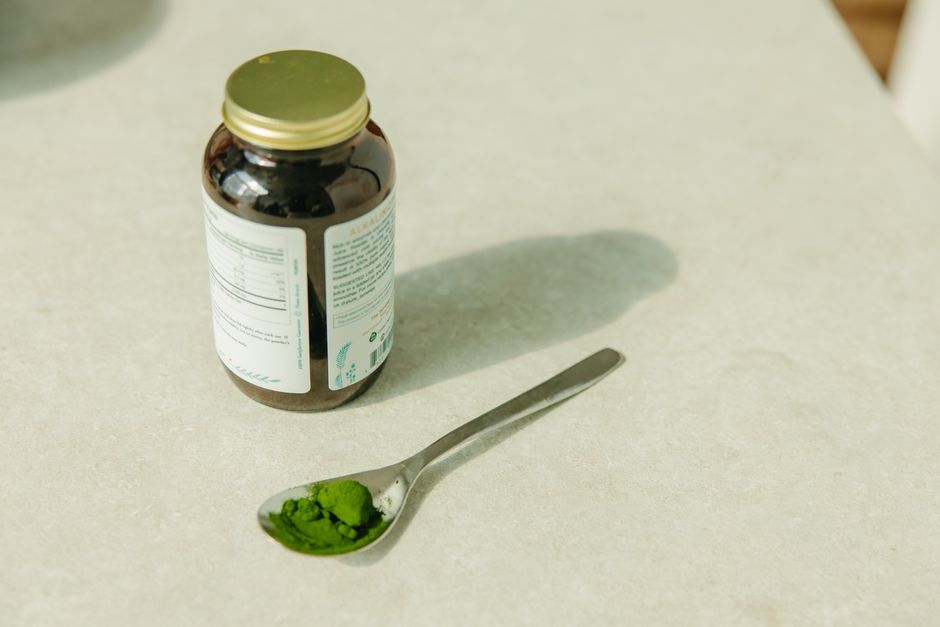
The detox products sold to consumers are a different category entirely. They include juices, herbal supplements, bentonite clay, activated charcoal, foot patches, and IV drips. No clinical evidence confirms these remove meaningful amounts of heavy metals from the body. Some carry real risks.
Here is the distinction that matters. Your body already has systems for handling small amounts of metals. The kidneys filter and excrete what they can. The liver processes and packages waste for removal. A healthy body does this continuously without any product’s help.
What these systems cannot do is safely clear a genuine overload. When exposure is high enough to cause poisoning, the body’s natural clearance is overwhelmed. That is a medical emergency requiring drugs, not juice.
What Are Heavy Metals And How Do They Get Into Your Body?
Heavy metals are a group of naturally occurring elements with high density. The ones that matter most for human health are lead, mercury, arsenic, and cadmium. Small amounts of some, like zinc and iron, are essential nutrients. The problem metals are the ones with no useful biological role.
Exposure happens through several common routes:
- Lead: Old paint in homes built before 1978, contaminated water from aging pipes, and some imported cosmetics and pottery.
- Mercury: Certain large predatory fish like shark, swordfish, and king mackerel, which accumulate mercury over long lives.
- Arsenic: Contaminated groundwater in some regions, and certain rice products grown in affected soil.
- Cadmium: Cigarette smoke is a major source, along with some industrial exposures and certain foods.
For most people, everyday exposure is low. The body handles small amounts and clears them. The concern is chronic, repeated exposure over years, or a single high-dose event. This is why public health agencies focus on reducing exposure at the source — removing lead paint, testing water, and setting fish consumption advisories — rather than on detox products afterward.
What Are The Real Symptoms Of Heavy Metal Poisoning?
Heavy metal poisoning symptoms depend on which metal and how much exposure occurred. They are often vague at first, which is part of why diagnosis is difficult.
Lead exposure can cause abdominal pain, constipation, fatigue, headaches, and in more serious cases, anemia and nerve damage. In children, even low-level lead exposure is linked to learning and behavior problems, which is why childhood lead screening is standard in many areas.
Mercury exposure, particularly the methylmercury found in fish, can cause numbness or tingling in the hands and feet, memory problems, and in severe cases, damage to the nervous system. Arsenic exposure can cause skin changes, stomach problems, and over time, increased cancer risk. Cadmium exposure is linked to kidney damage and bone weakness.
None of these symptoms are specific. Fatigue and headaches have dozens of causes. This is exactly why testing matters. A symptom alone does not confirm poisoning, and a detox product cannot diagnose or treat it.





How Is Heavy Metal Poisoning Actually Diagnosed And Treated?
Diagnosis requires laboratory testing, not symptom checklists. Doctors use blood tests, urine tests, and sometimes hair or nail analysis, depending on the suspected metal. Blood lead testing is the standard for lead exposure. Urine testing is common for mercury and arsenic.
Treatment depends on the severity. For mild exposure, the main step is removing the source — stopping the exposure. For more serious cases, chelation therapy may be used. These are prescription drugs given under medical supervision, often in a hospital setting, with repeated blood tests to monitor levels and kidney function.
Chelation carries real risks. It can lower levels of essential minerals like calcium, magnesium, and zinc. It can stress the kidneys. In people who are not actually poisoned, the risks outweigh any benefit. This is why chelation is not offered as a preventive or wellness treatment.
One clarification worth knowing: chelation drugs are approved for specific types of poisoning, not all heavy metals. The choice of drug depends on which metal is involved. A single “detox” approach cannot address every metal, because the chemistry of binding each one is different.
Why Do Detox Products And Kits Not Work?
No clinical evidence confirms that commercial detox products remove heavy metals from the body. The claims are not supported by controlled human trials. When a product claims to “flush” metals, there is no established mechanism by which drinking a juice or taking a supplement would bind metals in your bloodstream and carry them out.
Some products rely on a misunderstanding of how the body works. Bentonite clay and activated charcoal can bind to substances in the gut, which is why charcoal is used medically for certain poisonings. But binding a metal in the digestive tract does not remove what is already stored in your tissues, bones, or blood. The two are not the same.
Others rely on observation that is not evidence. If you feel better after a detox, that does not prove it removed metals. Feeling better can come from many things — changes in diet, more sleep, or simply the placebo effect, which is real and well documented.
Foot patches that turn dark overnight are a common example. The discoloration comes from the patch reacting with sweat and moisture, not from metals leaving your body. No study has confirmed these patches remove heavy metals.
Are Detox Products Safe?
Not all of them. The evidence here is limited, and in some cases, the risks are documented.
Some herbal detox supplements have been found to contain heavy metals themselves, including lead and arsenic. This is a particular concern with imported or unregulated products, where quality control may be poor. A product marketed to remove metals that contains metals is a real problem.
Chelation supplements sold without a prescription are a serious concern. The FDA has warned about products marketed as chelation therapy, and unregulated chelation has been linked to serious harm, including kidney damage and dangerous drops in blood calcium. Some deaths have been reported.
IV detox drips carry the usual risks of any intravenous procedure — infection, vein damage, and reactions — plus the risk of unnecessary treatment. For a person without confirmed poisoning, there is no established benefit to outweigh these risks.
If you suspect you have been exposed to a heavy metal, the safe path is a conversation with a doctor and proper testing. Not a product.
What Actually Helps Reduce Heavy Metal Exposure?
Reducing exposure at the source is the approach with the strongest evidence. This is what public health agencies focus on, and it is far more reliable than any product sold afterward.
- Test your water if your home has older pipes or you use a private well.
- Address lead paint safely, using certified professionals rather than dry sanding or scraping.
- Follow local fish consumption advisories, which are set based on real mercury data for specific waters and species.
- Avoid smoking, since cigarette smoke is a major source of cadmium exposure.
- Be cautious with imported cosmetics, pottery, and traditional remedies, which are sometimes contaminated.
For most healthy adults, a balanced diet supports the body’s natural clearance systems. Fiber, adequate hydration, and normal kidney and liver function do the work. There is no food or supplement that has been shown to speed up metal removal in a person who is not poisoned.
If you have a known exposure or concerning symptoms, testing is the answer. A blood or urine test tells you whether there is a real problem. A detox product does not.
Frequently Asked Questions
Does a heavy metal detox actually work?
No commercial detox product has been shown in clinical trials to remove heavy metals from the body. Real removal requires prescription chelation drugs for confirmed poisoning, given under medical supervision.
How do you test for heavy metals in the body?
Doctors use blood, urine, and sometimes hair or nail tests, depending on the suspected metal. Blood testing is standard for lead, and urine testing is common for mercury and arsenic.
Are detox foot patches safe and effective?
No study has confirmed foot patches remove heavy metals. The dark discoloration comes from the patch reacting with sweat, not from metals leaving your body.
Can I do a heavy metal detox at home?
You should not attempt chelation at home, because unregulated products have been linked to serious harm. If you suspect exposure, see a doctor for proper testing instead.
