
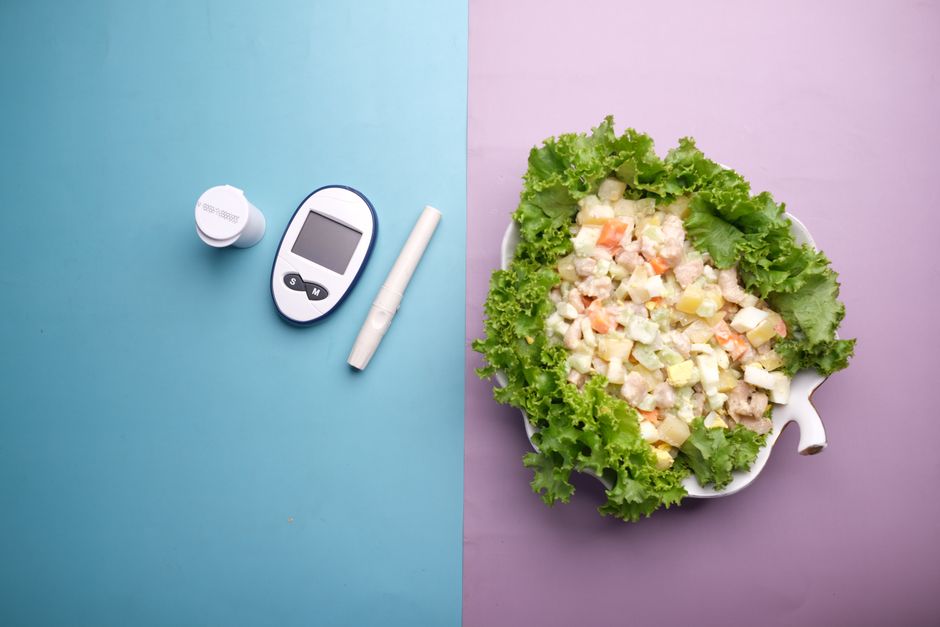
Cholesterol numbers can feel like a code you were never given the key to. Here is the short answer: for most healthy adults, a healthy total cholesterol is below 200 mg/dL, LDL (“bad” cholesterol) is below 100 mg/dL, HDL (“good” cholesterol) is at least 60 mg/dL, and triglycerides are below 150 mg/dL. Those are general reference points from the National Heart, Lung, and Blood Institute. Your own target may differ based on your heart disease risk, and that is worth understanding before you worry about any single number.
What Is A Healthy Cholesterol Level, LDL, HDL, And More?
Cholesterol is a waxy substance your body needs to build cells and make hormones. Your liver makes most of it. The rest comes from food, mainly animal products.
Because cholesterol does not dissolve in blood, it travels inside particles called lipoproteins. The two you hear about most are low-density lipoprotein (LDL) and high-density lipoprotein (HDL). LDL carries cholesterol to your arteries, where excess amounts can build up as plaque. HDL helps carry cholesterol back to the liver for removal.
Triglycerides are a separate type of fat in your blood. They are not cholesterol, but they are measured on the same standard lipid panel and matter for heart risk.
A standard fasting lipid panel reports four numbers: total cholesterol, LDL, HDL, and triglycerides. Sometimes a non-HDL number is included. That is simply your total cholesterol minus your HDL.
What Do The Numbers Mean?
These ranges come from the National Heart, Lung, and Blood Institute and apply to most adults without other major risk factors.
| Measure | Desirable | Borderline | High |
|---|---|---|---|
| Total cholesterol | Below 200 mg/dL | 200–239 mg/dL | 240 mg/dL and above |
| LDL cholesterol | Below 100 mg/dL | 100–129 mg/dL near optimal; 130–159 mg/dL borderline | 160–189 mg/dL high; 190 mg/dL and above very high |
| HDL cholesterol | 60 mg/dL and above | 40–59 mg/dL | Below 40 mg/dL (men) or below 50 mg/dL (women) is a risk factor |
| Triglycerides | Below 150 mg/dL | 150–199 mg/dL | 200 mg/dL and above |
One thing people often miss: these cutoffs are population reference points, not personal verdicts. A total cholesterol of 210 mg/dL means something different for a 40-year-old with no other risk factors than for someone who has already had a heart attack. The number is a starting point for a conversation, not the whole story.
Why Is LDL Cholesterol The Main Target?
LDL is the number doctors focus on most because the evidence linking it to heart disease is the strongest. When LDL particles circulate in high amounts, they can slip into the artery wall. The body responds with inflammation, and over years this can narrow or block arteries. That process is called atherosclerosis.
Research consistently shows that lowering LDL reduces the risk of heart attack and stroke. The relationship holds across many studies and many types of treatment. This is one of the more settled findings in cardiology.
Lower is generally better for LDL, but how low depends on your overall risk. For people at very high risk, such as those who have already had a cardiovascular event, some guidelines recommend pushing LDL well below 100 mg/dL. The exact target should come from your clinician, not a general chart.

Does Higher HDL Always Mean Better?
HDL is more complicated than it looks. Higher HDL is linked with lower heart disease risk in large population studies. That part is well established.
What is less clear is whether raising HDL directly protects the heart. Several drugs that raised HDL did not reduce heart attacks in clinical trials. That surprised researchers and changed how they think about HDL.
So HDL is a useful marker of risk, but it is not a proven treatment target the way LDL is. A high HDL number does not cancel out a high LDL number. Some people with naturally high HDL still develop heart disease.
Low HDL is a genuine risk factor. Below 40 mg/dL in men and below 50 mg/dL in women is considered low. Lifestyle factors like exercise, not smoking, and maintaining a healthy weight tend to raise HDL modestly.
What About Triglycerides And Non-HDL Cholesterol?
Triglycerides above 150 mg/dL are considered elevated. High triglycerides often travel with other conditions: type 2 diabetes, obesity, excess alcohol use, and diets high in refined carbohydrates. Very high levels, above 500 mg/dL, raise the risk of pancreatitis, which is a serious condition.
Non-HDL cholesterol is total cholesterol minus HDL. Some clinicians prefer it because it captures all the cholesterol carried by particles that can clog arteries, not just LDL. It can be useful when triglycerides are high, since LDL calculations become less reliable in that situation.
If your triglycerides are high, your LDL number on a standard panel may be less accurate. Your clinician may order a direct LDL measurement or a different type of panel.
What Affects Your Cholesterol Numbers?
Several things shape your cholesterol, and some are outside your control.
- Genetics. Familial hypercholesterolemia is an inherited condition that causes very high LDL from birth. It affects roughly 1 in 250 people and often goes undiagnosed.
- Diet. Saturated fat and trans fat raise LDL. Soluble fiber and unsaturated fats tend to lower it.
- Weight. Excess body weight can raise LDL and triglycerides and lower HDL.
- Activity. Regular physical activity is linked with higher HDL and lower triglycerides.
- Smoking. Smoking lowers HDL and damages blood vessels.
- Age and sex. Cholesterol tends to rise with age. LDL often rises after menopause in women.
- Medical conditions. Diabetes, an underactive thyroid, and kidney disease can all affect cholesterol levels.
Diet matters, but genetics often matter more than people expect. Someone with a strong family history may have high LDL despite eating carefully. That is not a personal failure. It is biology.
How Often Should You Get Your Cholesterol Checked?
For most adults, checking cholesterol every 4 to 6 years is a common approach. People with risk factors such as diabetes, heart disease, or a strong family history may need testing more often.
Routine screening is generally recommended starting around age 20 for adults at average risk. Some guidelines suggest earlier or more frequent testing for people with familial hypercholesterolemia in the family.
Your clinician can tell you what interval fits your situation. There is no single schedule that works for everyone.
Do You Need To Fast For A Cholesterol Test?
Not always. Many guidelines now allow non-fasting cholesterol tests for routine screening. Eating mainly affects triglycerides, and total cholesterol and HDL change very little after a meal.
Fasting may still be requested if your triglycerides are being closely watched or if your clinician wants a more precise LDL reading. If you are unsure, ask before your appointment. A non-fasting result is usually better than skipping the test entirely.
What Can Actually Change Your Numbers?
Lifestyle changes can move cholesterol, though the size of the effect varies a lot between people.
Reducing saturated fat and eliminating trans fat tends to lower LDL. Adding soluble fiber from oats, beans, and barley can help. Regular aerobic exercise tends to raise HDL and lower triglycerides. Losing excess weight can improve several numbers at once.
For people at higher risk, medication may be needed. Statins are the most studied class of cholesterol-lowering drugs and have the strongest evidence for reducing heart attacks and strokes in appropriate patients. Whether they are right for you depends on your overall risk, not just one number.
No supplement has been shown to match the effect of standard cholesterol medication. Some products marketed for cholesterol have little or no supporting evidence in humans. If a claim sounds too strong, it usually is.
Frequently Asked Questions
What is a healthy cholesterol level for adults?
For most healthy adults, total cholesterol below 200 mg/dL, LDL below 100 mg/dL, HDL at least 60 mg/dL, and triglycerides below 150 mg/dL are considered desirable. Your personal target may be different based on your overall heart disease risk.
Is LDL or HDL more important?
LDL matters more as a treatment target because the evidence that lowering it reduces heart attacks and strokes is strong. HDL is a useful risk marker, but raising it directly has not been shown to reduce heart events in clinical trials.
Can I lower my cholesterol without medication?
Diet and exercise can lower LDL and triglycerides and raise HDL for many people, though the effect varies. Some people, especially those with inherited high cholesterol, need medication to reach safe levels.
Do I need to fast before a cholesterol blood test?
Not usually. Many guidelines now allow non-fasting cholesterol tests for routine screening because eating mainly affects triglycerides. Your clinician may still ask you to fast if your triglycerides are being closely monitored.
