
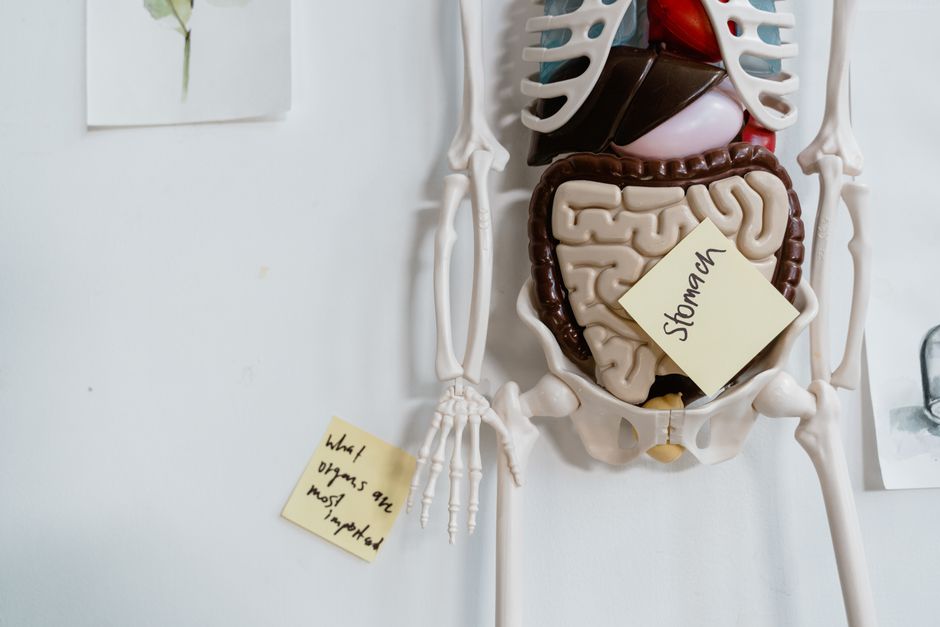
A gut health program is a structured plan that combines diet changes, lifestyle habits, and sometimes supplements or testing to support the bacteria and other organisms living in your digestive tract. Most programs focus on adding fiber and fermented foods, reducing highly processed foods, managing stress, and improving sleep. The term itself has no fixed medical definition, so what a program includes depends entirely on who designed it.
That lack of a standard is the first thing to understand. “Gut health program” is a marketing and wellness category, not a clinical diagnosis or a regulated treatment. Some programs are built on solid nutrition science. Others are mostly supplements with thin evidence behind them. Knowing what a credible program actually contains — and what it cannot promise — helps you tell the difference.
What Is A Gut Health Program And What Does It Include?
A gut health program is a set of habits and sometimes products aimed at supporting the gut microbiome — the trillions of bacteria, fungi, and other microbes that live in your intestines. These microbes help break down fiber, produce some vitamins, and interact with your immune system. The gut also contains the enteric nervous system, sometimes called the “second brain,” a dense network of neurons that helps control digestion.
Most programs, whatever their branding, draw from the same handful of components:
- Diet changes — more fiber from vegetables, fruits, legumes, and whole grains; more fermented foods; fewer ultra-processed foods and added sugars.
- Lifestyle habits — sleep, stress management, and regular physical activity.
- Tracking or testing — food and symptom diaries, and in some cases stool tests sold by the program.
- Supplements — probiotics, prebiotics, or fiber powders, which vary widely in quality and evidence.
- Coaching or education — app-based lessons, meal plans, or sessions with a dietitian.
What separates a reasonable program from a questionable one is usually how much it leans on the first two items versus the last three.
What Does the Science Say About the Gut Microbiome?
The microbiome is real and well studied. Research consistently shows that diet shapes the gut bacterial community, and that fiber is a major driver because gut bacteria ferment it and produce short-chain fatty acids such as butyrate, which feed the cells lining the colon. This part is established physiology.
Where things get murky is the leap from “the microbiome matters” to “this program will improve your health.” The microbiome differs enormously from person to person. There is no single agreed-upon definition of a “healthy” microbiome, and no standard test that tells you whether yours is good or bad. Some commercial stool tests report a “gut health score,” but no clinical guideline endorses such scores for diagnosing or managing disease.
That is a non-obvious point worth sitting with: you cannot currently measure your way to a healthy gut the way you can measure blood pressure. A test result showing low levels of a certain bacterium does not reliably tell you what to do about it.
Which Foods and Habits Do Programs Usually Recommend?
Credible programs tend to emphasize dietary patterns rather than single “superfoods.” The general direction is consistent with mainstream nutrition advice: eat more plants, include fiber-rich foods, and limit ultra-processed products.
Fiber is the centerpiece for most evidence-based approaches. The Dietary Guidelines for Americans recommend about 25 to 30 grams of fiber per day for adults, though most people eat considerably less. Fiber comes from vegetables, fruits, beans, lentils, and whole grains. Increasing it gradually and drinking enough water helps avoid bloating and gas, which are common when fiber intake rises quickly.
Fermented foods — yogurt with live cultures, kefir, sauerkraut, kimchi, and tempeh — are another common recommendation. Some research suggests fermented foods can influence the gut microbiome, though the strength of evidence varies by food and by outcome. Not every fermented product contains live cultures; many shelf-stable versions are pasteurized, which kills the microbes.
Beyond food, programs often address sleep, stress, and activity. The gut and brain communicate through what researchers call the gut-brain axis, and stress can affect digestion and bowel habits. The evidence that stress-reduction techniques directly change the microbiome is limited, but the link between stress and digestive symptoms is well recognized.
Do Probiotic Supplements Help?
Probiotics can help in specific, well-defined situations. The strongest evidence is for certain strains in particular contexts — for example, some probiotics reduce the risk of antibiotic-associated diarrhea. That is a narrow, documented use.
For general “gut health” in healthy adults, the picture is much less clear. Probiotic effects tend to be strain-specific and condition-specific, meaning a product that helps one problem may do nothing for another. The evidence is mixed, and results vary widely across studies. Many commercial probiotic products are not standardized, and the number of live organisms can differ from what the label states.
No clinical guideline currently recommends probiotics as a general wellness supplement for everyone. If you are considering one, it is worth discussing with a clinician — especially if you are immunocompromised, seriously ill, or have a central line, because probiotics carry real risks in some of these groups. For infants, children, and pregnant women, guidance is more limited still, and no universal recommendation exists.
Are Gut Health Programs Worth It?
It depends almost entirely on what the program asks you to do. A program that gets you eating more vegetables, beans, and whole grains, sleeping better, and moving more is essentially delivering solid, low-risk health advice. Those habits are supported by broad evidence for many health outcomes, not just digestion.
A program built mainly around expensive supplements, unvalidated testing, or elimination diets that cut out entire food groups deserves more skepticism. Elimination diets can be appropriate for diagnosing specific conditions like certain food intolerances, but they should be guided by a clinician or registered dietitian, not a generic app. Unnecessary restriction can reduce fiber intake and nutrient variety — the opposite of what most gut advice aims for.
Some red flags to weigh:
- Promises to “fix” or “reset” your gut with a specific timeline.
- Stool tests sold with a supplement plan attached.
- Claims that a product treats or prevents disease.
- Pressure to buy before you understand what is included.
None of these automatically make a program fraudulent, but each one raises the bar for what the evidence should show.
When Should You Talk to a Doctor Instead?
Persistent digestive symptoms deserve medical attention, not a wellness program. See a clinician if you have ongoing abdominal pain, unexplained weight loss, blood in your stool, chronic diarrhea or constipation, or symptoms that disrupt daily life. These can point to conditions — such as irritable bowel syndrome, inflammatory bowel disease, or celiac disease — that need proper diagnosis and treatment.
A gut health program is not a substitute for that evaluation. It also is not a treatment for any diagnosed disease. If you already have a digestive condition, talk with your care team before starting any program, supplement, or major diet change, since some recommendations may conflict with your treatment.
For otherwise healthy adults, the practical takeaway is fairly simple. The habits most likely to support your gut are the same unglamorous ones that support the rest of your body: eat more fiber and plants, include fermented foods if you tolerate them, sleep well, manage stress, and stay active. A program can help you build those habits — but it does not have a secret ingredient beyond them.
Frequently Asked Questions
What is a gut health program?
It is a structured plan combining diet, lifestyle habits, and sometimes supplements or testing to support the gut microbiome. The term has no fixed medical definition, so contents vary by provider.
Do gut health programs actually work?
Programs focused on more fiber, plants, fermented foods, sleep, and stress management align with solid nutrition evidence. Programs built mainly on supplements or unvalidated tests have far weaker support.
Do I need a stool test to know if my gut is healthy?
No clinical guideline endorses commercial stool tests or “gut health scores” for assessing general gut health. There is no standard definition of a healthy microbiome to measure against.
Should I take probiotics for gut health?
Probiotics have documented benefits in specific situations, such as some cases of antibiotic-associated diarrhea. For general wellness in healthy adults, evidence is mixed and no universal recommendation exists.
