
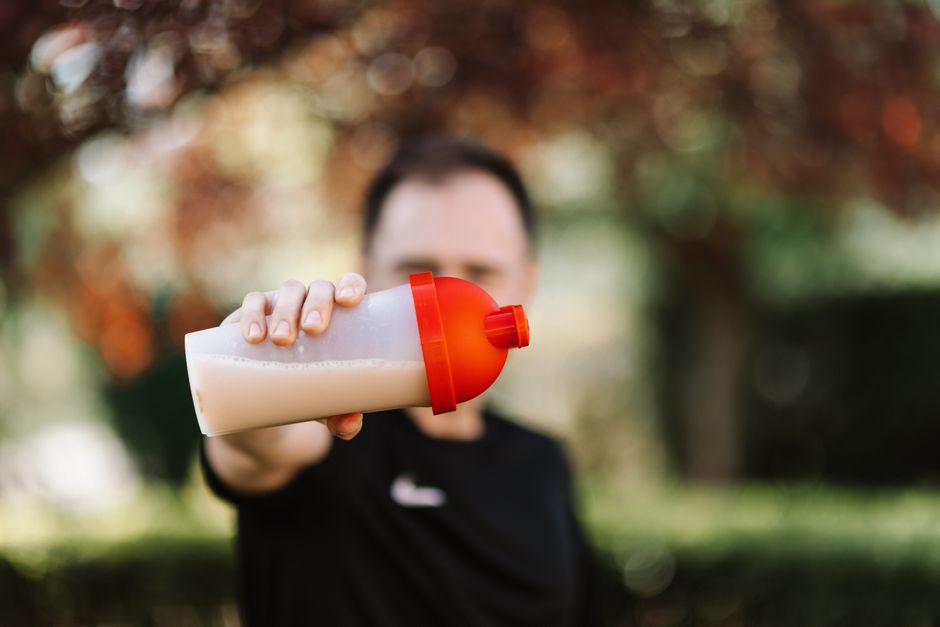
If you want the protein benefits of whey without the whey itself, several foods and supplements can do the job. The closest direct substitutes are other milk-based proteins like casein, and non-dairy protein powders made from soy, pea, rice, or egg. If you would rather get protein from food, eggs, Greek yogurt, chicken, fish, lean meat, tofu, and legumes all work well.
Whey is popular because it digests quickly and contains all nine essential amino acids. That makes it useful, but not unique. Other proteins can match it for muscle building and general nutrition when the total amount of protein you eat in a day is adequate.
The right substitute depends on why you are replacing whey in the first place. A dairy allergy, lactose intolerance, a vegan diet, and simple taste fatigue all point to different answers.
What Is A Good Substitute For Whey Protein?
Soy protein isolate is the most studied plant-based substitute, and it is a complete protein with all nine essential amino acids. Pea protein is another strong option, though it is lower in one amino acid called methionine, which matters little if you eat a varied diet. Egg white protein powder, casein, and rice protein round out the common choices.
For whole foods, the list is longer than most people expect. A cup of cooked lentils, a chicken breast, a can of tuna, or a bowl of Greek yogurt each deliver a meaningful protein dose. None of them require a shaker bottle.
Here is a practical comparison of common substitutes and their protein content per typical serving:
| Substitute | Protein per serving | Complete protein | Notes |
|---|---|---|---|
| Soy protein isolate | About 25 g per scoop | Yes | Most researched plant option |
| Pea protein | About 20-25 g per scoop | Near-complete | Low in methionine |
| Egg white protein | About 25 g per scoop | Yes | Not suitable for egg allergy |
| Casein | About 24 g per scoop | Yes | Dairy-based, digests slowly |
| Greek yogurt (plain) | About 20 g per 7 oz cup | Yes | Also contains calcium |
| Chicken breast | About 26 g per 3 oz cooked | Yes | Whole food option |
| Firm tofu | About 15-20 g per half cup | Yes | Plant-based whole food |
Serving sizes vary by brand, so check the label rather than assuming a number. The figures above reflect common values and may differ from what you find on a specific product.
Are Plant Proteins As Effective As Whey For Muscle?
When total daily protein is matched, plant and animal proteins produce similar muscle-building results in most studies. The catch is that plant proteins are often lower in leucine, an amino acid that triggers muscle protein synthesis. You may need a slightly larger dose of a plant protein to get the same leucine signal.
Some research suggests that blending plant proteins, such as pea and rice together, improves the amino acid profile and brings it closer to whey. This is why many vegan protein powders combine sources rather than relying on one.
The bigger factor is total protein intake across the day, not the specific powder you use after a workout. If you hit an adequate daily amount from a mix of sources, the type of protein matters far less than most supplement marketing suggests.
What If You Cannot Have Dairy?
Dairy-free substitutes are widely available and nutritionally capable. Soy, pea, hemp, rice, and pumpkin seed proteins are all dairy-free. So are egg white protein powders, though those are not vegan.
If you have a true milk allergy, you need to avoid casein and whey entirely, since both are milk proteins. This is different from lactose intolerance, which involves the sugar in milk rather than the protein. Some whey products are labeled lactose-free and may be tolerable for people with lactose intolerance, but a milk allergy is a separate and more serious issue that requires avoiding all milk proteins.
Hemp protein deserves a note. It is a complete protein but tends to be lower in protein concentration per scoop, so you may need more of it to match whey. Rice protein is hypoallergenic and easy to digest but is lower in lysine, another essential amino acid.
Can You Just Eat Food Instead Of Protein Powder?
Yes, and for most people this is the simpler path. Protein powder is a convenience product, not a necessity. If you can eat enough protein from food, you do not need a powder at all.
Good whole-food substitutes include:
- Eggs and egg whites
- Greek yogurt and cottage cheese
- Chicken, turkey, and lean beef
- Fish and shellfish
- Tofu, tempeh, and edamame
- Lentils, chickpeas, and black beans
- Quinoa and other whole grains
The trade-off is convenience. A scoop of powder mixes into water in seconds. Cooking chicken or beans takes planning. If your goal is meeting a protein target and you struggle to eat enough, a powder can help close the gap regardless of what it is made from.
Which Substitute Is Best For Weight Loss?
Protein itself supports fullness, and that effect comes from the protein, not from whey specifically. Any protein source that helps you feel satisfied and hit your intake goal can play a role in a weight loss plan.
Whole-food proteins tend to be more filling than liquids because they take longer to eat and contain more fiber and water in many cases. A chicken breast or a bowl of lentils will generally keep you fuller than a shake. That said, a shake can be useful when you need something quick and portable.
No protein powder causes weight loss on its own. Claims that a specific substitute burns fat or boosts metabolism are not supported by clinical evidence. Weight loss comes down to overall calorie balance and sustainable habits.
What About Digestive Comfort And Allergies?
Whey can cause digestive issues in people who are lactose intolerant, since whey contains lactose, though the amount varies by product type. Whey protein isolate contains less lactose than whey concentrate, which is why some people tolerate it better.
If whey upsets your stomach, a non-dairy substitute may solve the problem. Pea and rice proteins are generally well tolerated. Soy is a common allergen, so people with a soy allergy should avoid it. Egg white protein is off the table for anyone with an egg allergy.
For people with no allergies or intolerances, there is little evidence that one protein powder is easier on digestion than another. Individual tolerance varies, and the best way to know is to try a small amount and see how you respond.
Do You Need A Protein Powder At All?
Most healthy adults can meet their protein needs from food alone. The general recommendation for most adults is roughly 0.8 grams of protein per kilogram of body weight per day for basic needs, though people who are active, older, or recovering from illness may need more. Athletes and people building muscle often aim higher, and some research supports intakes well above the basic recommendation for those groups.
Protein powder makes sense when food alone is not practical. If you travel often, have a small appetite, follow a restricted diet, or simply find it hard to eat enough protein, a powder is a tool. It is not required for health or fitness.
The substitute you choose matters less than the total amount of protein you eat and the overall quality of your diet. Whey is one option among many, not a standard you have to match.
Frequently Asked Questions
What is the closest substitute for whey protein?
Casein is the closest match because it is also a milk protein with a complete amino acid profile. Soy protein isolate is the closest plant-based option.
Is pea protein as good as whey protein?
Pea protein supports muscle building well when you eat enough total protein, though it is lower in one amino acid called methionine. Blending it with rice protein improves the amino acid profile.
Can I replace whey protein with regular food?
Yes, foods like eggs, Greek yogurt, chicken, fish, tofu, and lentils can fully replace whey protein. You just need to eat enough of them across the day to hit your protein target.
Is soy protein safe to use every day?
Current evidence supports daily soy consumption as safe for most adults, including men. People with a soy allergy should avoid it.
