
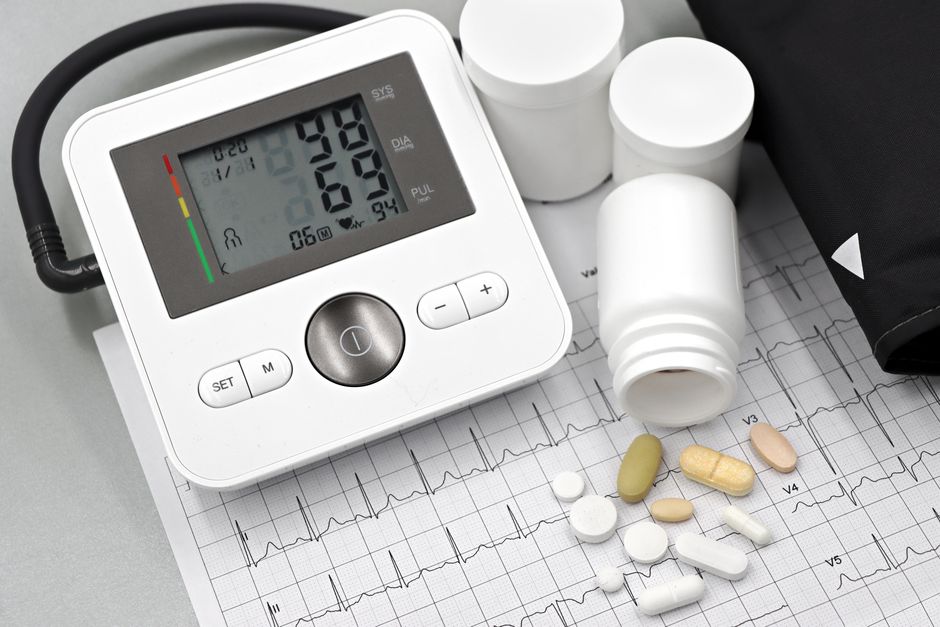
A cardiac stress test does not produce a single “score” the way a blood test does. Instead, it generates several measurements and observations that a cardiologist interprets together. A result is generally considered reassuring when you reach an adequate heart rate for your age, have no chest pain or dangerous rhythm changes during the test, and show no signs of reduced blood flow to the heart muscle on the images or ECG tracing.
That said, “good” depends heavily on why the test was ordered and which type of stress test you had. A normal result in someone with no symptoms carries a different weight than a normal result in someone with known coronary artery disease. Understanding what each part of the report means helps you have a more useful conversation with your doctor.
What Is A Good Score On A Cardiac Stress Test?
There is no universal number that defines a good result. The closest thing to a “score” is how your heart performs against expected values for your age and sex, combined with whether any abnormalities appear.
A stress test typically evaluates four things:
- Heart rate achieved. Your target is usually about 85% of your maximum predicted heart rate, which is estimated as 220 minus your age. For a 50-year-old, that is roughly 145 beats per minute. Reaching this target without symptoms is a good sign.
- Blood pressure response. A normal response is a gradual rise in systolic pressure during exercise, then a return toward baseline during recovery. A drop in blood pressure during exercise is a warning sign.
- ECG changes. Certain shifts in the ST segment of the tracing can suggest reduced blood flow to part of the heart muscle.
- Symptoms. Chest pain, severe shortness of breath, dizziness, or an abnormal heart rhythm during the test are all significant findings.
When all four of these are normal, the test is generally reported as negative or normal. That does not mean your coronary arteries are guaranteed to be completely clear. It means the test did not detect evidence of significant blockage under the conditions tested.
What Do the Different Types of Stress Tests Measure?
Not all stress tests work the same way. The type your doctor chooses depends on your symptoms, your ability to exercise, and your medical history.
An exercise stress test (also called a treadmill test) is the most basic form. You walk on a treadmill while your heart rhythm and blood pressure are monitored. It is best at detecting significant blockages in the major coronary arteries, but it can miss smaller or less severe narrowings.
A stress echocardiogram adds ultrasound imaging. Pictures of your heart are taken before and immediately after exercise. If part of the heart muscle does not squeeze normally after stress, that can indicate reduced blood flow in that region.
A nuclear stress test uses a small amount of radioactive tracer injected into your bloodstream. Images taken at rest and during stress show how blood flows through the heart muscle. Areas that receive less tracer during stress may have reduced blood supply.
For people who cannot exercise, a pharmacologic stress test uses medication to simulate the effects of exercise on the heart. This is common in people with arthritis, severe lung disease, or other conditions that limit walking.
Each type has different strengths and limitations. No single test is perfect, and a normal result on one type does not rule out all forms of heart disease.
What Does a Normal Stress Test Result Actually Mean?
A normal stress test means the test did not find evidence of significant coronary artery disease under the conditions of the test. It does not mean your heart is guaranteed healthy for the rest of your life.
Several factors affect how much a normal result can be trusted:
- Your pretest probability. If you have multiple risk factors or symptoms that strongly suggest heart disease, a normal stress test is less reassuring than it would be in someone with no risk factors.
- Whether you reached your target heart rate. If you could not exercise long enough or hard enough, the test may be inconclusive rather than truly normal.
- The type of test. Some tests are more sensitive than others for detecting certain patterns of blockage.
- Whether you were taking certain medications. Some heart medications can blunt the heart rate response and affect results.
Your doctor considers all of this when interpreting your result. A normal finding on a stress test is one piece of information, not a final verdict.





What Findings on a Stress Test Are Considered Abnormal?
An abnormal stress test does not automatically mean you need surgery or a stent. It means further evaluation may be needed.
Findings that doctors pay close attention to include:
- ST-segment changes on the ECG that suggest ischemia (reduced blood flow to the heart muscle)
- Chest pain or pressure during the test, especially at low workloads
- A drop in systolic blood pressure during exercise instead of the expected rise
- Dangerous heart rhythms, such as sustained ventricular tachycardia
- New wall motion abnormalities on stress echocardiography
- Reversible perfusion defects on nuclear imaging
When these appear, the next step might be a coronary angiogram, which uses contrast dye and X-rays to directly visualize the arteries. Not everyone with an abnormal stress test needs an angiogram right away. Some people are managed with medication and lifestyle changes, depending on the severity of findings and their overall health.
How Does Your Heart Rate Target Relate to Your Result?
Reaching your target heart rate matters because it makes the test more meaningful. If your heart is not working hard enough, blockages that would show up under stress may not be detected.
Maximum predicted heart rate is estimated as 220 minus your age. This is a rough formula and does not fit everyone perfectly. Some people naturally have higher or lower maximum heart rates. Your doctor may adjust the target based on your fitness level and other factors.
If you cannot reach 85% of your predicted maximum, the test may be labeled “submaximal” or “inconclusive.” That does not mean something is wrong. It means the test did not provide enough information to be confident either way. In that case, your doctor may recommend a pharmacologic stress test or a different imaging approach.
Beta-blockers and some other heart medications can slow your heart rate and make it harder to reach the target. Your doctor may ask you to hold certain medications before the test, but never stop a medication without being told to do so.
What Should You Ask Your Doctor About Your Stress Test Results?
Getting a report that says “normal” or “abnormal” is not the end of the conversation. Asking a few specific questions can help you understand what your result means for your health.
Consider asking:
- Did I reach my target heart rate?
- Were there any ECG changes during the test?
- How did my blood pressure respond?
- What type of stress test did I have, and what are its limitations?
- Based on my risk factors and symptoms, how confident are you in this result?
- Do I need any further testing?
If your test was normal but you continue to have symptoms, tell your doctor. A normal stress test does not always rule out heart problems, particularly in women, people with diabetes, and those with certain types of coronary disease that affect smaller vessels rather than the main arteries.
What Are the Limits of Stress Testing?
Stress tests are useful but not perfect. They can produce false negatives (missing a real problem) and false positives (suggesting a problem that is not there).
False negatives are more likely when the blockage is mild, when only one artery is affected, or when the patient does not reach an adequate heart rate. False positives can occur in people with certain ECG patterns at baseline, such as those with left bundle branch block or a pacemaker.
This is why stress test results are always interpreted alongside your symptoms, risk factors, and other clinical information. No test result stands alone.
Newer imaging techniques and blood tests are being studied to improve detection of heart disease, but stress testing remains one of the most widely used tools for evaluating chest pain and exercise tolerance.
Frequently Asked Questions
What is a normal result on a cardiac stress test?
A normal result means you reached an adequate heart rate without chest pain, dangerous rhythm changes, or ECG signs of reduced blood flow. It does not guarantee your arteries are completely clear.
What heart rate should I reach during a stress test?
The usual target is about 85% of your maximum predicted heart rate, estimated as 220 minus your age. Your doctor may adjust this based on your medications and fitness level.
Can a stress test be normal even if I have heart disease?
Yes. Stress tests can miss blockages that are mild or affect smaller arteries, especially if you did not reach your target heart rate. This is why results are interpreted alongside your symptoms and risk factors.
What happens if my stress test is abnormal?
An abnormal result does not always mean you need surgery or a stent. Your doctor may recommend further testing, medication changes, or lifestyle adjustments depending on the specific findings.
