
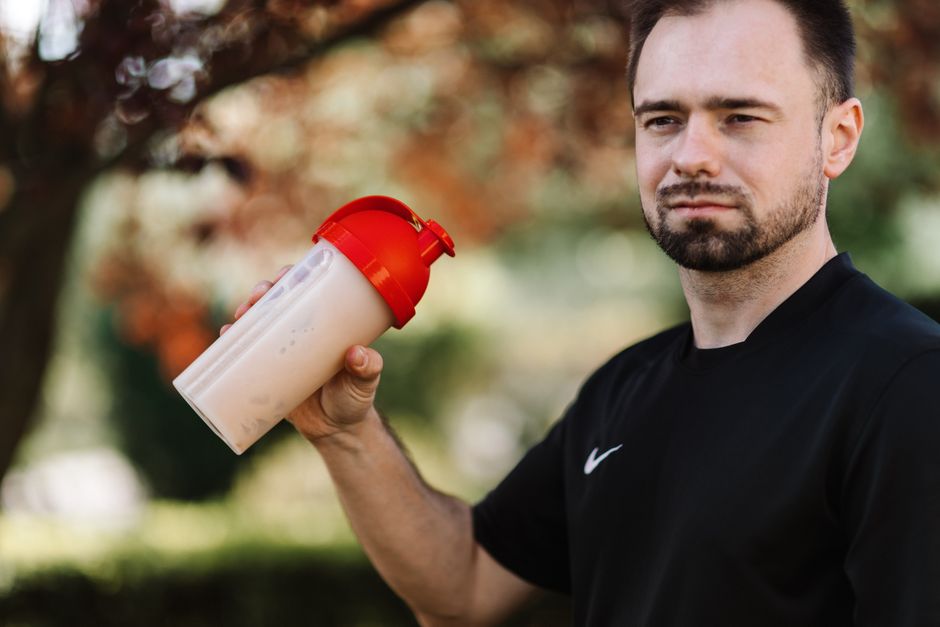
A good protein powder is one that delivers the protein it claims on the label, has been tested for heavy metals and banned substances, and contains few unnecessary ingredients. The three things to check first are the third-party testing seal, the protein amount per scoop, and the ingredient list. Everything else — flavor, price, isolate versus concentrate — matters less than those basics.
Protein powder is a supplement, not a food. In the US, that means it is not reviewed by the FDA for safety and effectiveness before it is sold. That single fact explains why label reading and independent testing matter more here than they do at the grocery store.
Why Does Third-Party Testing Matter Most?
Independent testing is the closest thing to a guarantee you can get with a supplement. Because protein powders are not pre-approved by the FDA, a product can reach the shelf without anyone outside the manufacturer confirming what is inside it.
Testing programs like NSF Certified for Sport, Informed Sport, and USP Verified check for contaminants and, in some cases, verify label accuracy. These are voluntary. A product without a seal is not necessarily bad. But a product with one has been checked by someone other than the company selling it.
What are these programs actually looking for? Heavy metals are a real concern in this category. Plant-based proteins in particular have been found to contain measurable levels of lead, cadmium, and arsenic in some independent testing, because plants take up metals from soil. That does not mean plant proteins are unsafe. It means testing is not a theoretical worry.
For athletes subject to drug testing, the stakes go up. Banned-substance contamination has been documented in supplements, which is why the sports-specific certifications exist. If you compete under anti-doping rules, a plain “natural” label tells you nothing about contamination risk.
How Much Protein Should Each Scoop Actually Contain?
A scoop should contain roughly what the front of the tub implies, and the number that counts is on the Nutrition Facts panel. Most standard whey and plant protein powders provide somewhere in the range of 20 to 25 grams of protein per scoop. Some isolates go higher.
Here is the part people miss. Protein powder is sold by weight, and the tub weight includes flavoring, sweeteners, thickeners, and fillers. A 30-gram scoop that lists 15 grams of protein is half protein and half other stuff. That is not automatically a bad product, but you are paying a lot per gram of actual protein.
Compare products by cost per gram of protein, not cost per tub. A cheaper tub with less protein per scoop is often the more expensive option.
Watch for amino acid spiking. Some products add individual amino acids like glycine or taurine, which can inflate the protein number on the label without adding complete protein. The nitrogen-based tests used to measure protein cannot tell the difference between complete protein and added free amino acids. If the ingredient list shows isolated amino acids and the protein number looks unusually high, that is worth a second look.
What Should You Look For in the Ingredient List?
Shorter is generally easier to evaluate. A plain whey or pea protein with a flavoring and a sweetener is a simple product. A list with twenty ingredients is harder to assess, and some of those ingredients exist for texture or shelf life rather than nutrition.
Things worth noticing:
- Protein source. Whey, casein, soy, pea, rice, and egg are all complete proteins. Many plant blends combine sources to cover the amino acid profile. Single-source rice protein on its own is lower in lysine, which is why blends are common.
- Added sugars. Check the grams of added sugar on the label. Some flavored powders carry a meaningful amount per scoop.
- Sugar alcohols and fiber. Ingredients like sorbitol, maltitol, and added inulin can cause digestive upset in some people, especially in larger amounts.
- Proprietary blends. A blend that hides individual ingredient amounts makes it impossible to know what you are getting.
- Certifications and allergens. If you avoid dairy, confirm the product is actually dairy-free, not just “plant-based” in the marketing.
Digestive enzymes and probiotics are sometimes added to protein powders. The evidence that these survive in a powder and meaningfully improve digestion is limited. They are not a reason to choose a product.
Whey, Plant, or Something Else?
Whey and plant proteins both support muscle protein synthesis when you take in enough total protein across the day. The choice usually comes down to digestion and diet, not to one being clearly superior.
Whey is a complete protein and is absorbed relatively quickly. It contains lactose, though whey isolate has less than concentrate. People with lactose intolerance often tolerate isolate better, but this varies.
Plant proteins are suitable for anyone avoiding dairy. Pea and soy are the strongest single sources. Blends of pea and rice are common because their amino acid profiles complement each other.
Casein digests more slowly, which some people prefer before bed. The practical difference between fast and slow proteins is smaller than the marketing suggests. Total daily protein intake matters far more than timing or type.
How Do You Read the Label Without Getting Fooled?
Start with the serving size and the protein grams per serving, then work down. The front of the tub is marketing. The Nutrition Facts panel and the ingredient list are the product.
A few label habits worth building:
- Check whether the serving is one scoop or two. Some products list a two-scoop serving to make the protein number look bigger.
- Look for a third-party seal near the label or on the company website, and confirm it applies to that specific product, not just the brand.
- Scan for added amino acids if the protein number seems high for the protein source listed.
- Note the grams of added sugar and the type of sweetener.
One clarification that surprises people: “grass-fed,” “non-GMO,” and “no artificial sweeteners” are claims about sourcing and formulation. They are not evidence of purity or protein quality. A product can carry all three and still never have been tested for heavy metals.
Does Protein Powder Fit Into a Normal Diet?
Protein powder is a convenience food. It helps close a gap when whole foods are not practical, and it is not required for anyone hitting their protein needs through meals.
General protein guidance for most adults sits around 0.8 grams per kilogram of body weight per day as a minimum, with higher intakes common for active people and older adults trying to preserve muscle. A single scoop covers a meaningful share of that for many people. It is not a meal replacement, and it does not replace the fiber, micronutrients, and whole-food structure of actual meals.
People with kidney disease should talk to their clinician before increasing protein intake from any source. That is a conversation, not a label-reading decision.
What About Cost and Marketing Claims?
Price per gram of protein is the honest comparison. Beyond that, most front-of-tub claims tell you little about quality.
Claims like “muscle building,” “recovery,” and “clean” are not regulated in the way drug claims are. They describe a category, not a tested outcome for that specific product. The things that actually predict a good purchase are testing, protein content, and a short ingredient list you can read.
Buying the most expensive tub does not buy quality. Buying the one with a testing seal and an honest label does.
Frequently Asked Questions
What is the most important thing to check on a protein powder?
Look for independent third-party testing, such as an NSF Certified for Sport, Informed Sport, or USP Verified seal. Because protein powders are not reviewed by the FDA before sale, this is the strongest outside confirmation available.
How much protein should a scoop contain?
Most standard whey and plant powders provide about 20 to 25 grams per scoop, though isolates can be higher. Compare products by cost per gram of protein rather than by tub price.
Are plant-based protein powders safe?
They are generally safe, but some independent testing has found measurable heavy metals in certain plant proteins because plants absorb metals from soil. Choosing a product with third-party testing is the practical way to manage that concern.
Do I need a protein powder at all?
No. Protein powder is a convenience product, not a requirement, and most people can meet their protein needs with whole foods. It is useful mainly when meals are impractical or intake is falling short.
