
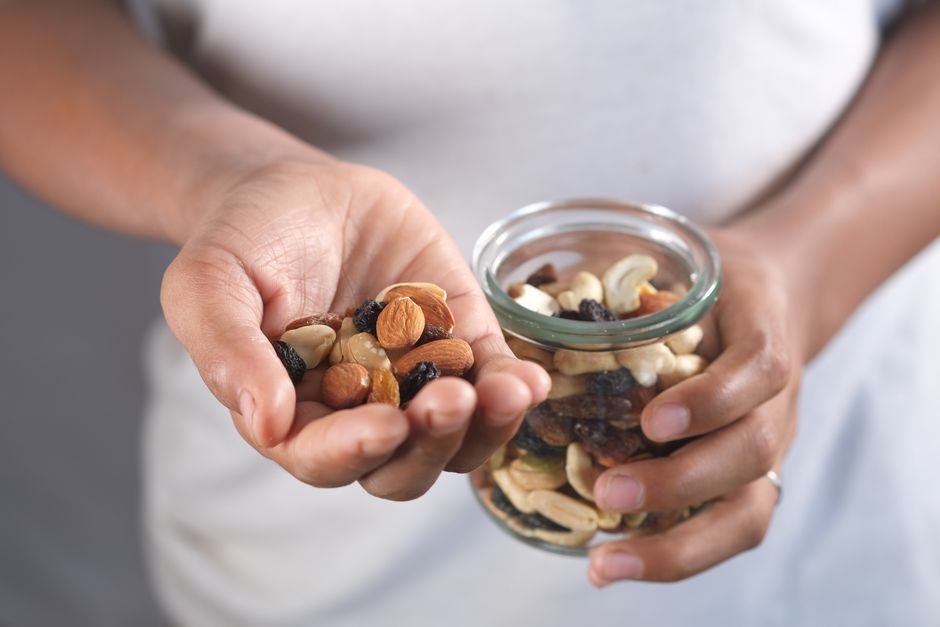
A good low carb snack is one built around protein, fat, and fiber with very little starch or sugar. Nuts, eggs, cheese, plain Greek yogurt, and non-starchy vegetables with dip all fit that pattern. The best choice depends on your appetite, your daily carb target, and whether you need the snack to hold you until your next meal.
Carbohydrate counting matters most for people managing diabetes, prediabetes, or insulin resistance. For everyone else, the quality of the snack still matters, but the exact gram count matters less.
What Makes a Snack Low Carb?
There is no single official cutoff for “low carb.” Clinical guidelines and research groups define low-carbohydrate diets in different ways, and the range runs from roughly under 130 grams of carbohydrate per day at the liberal end to under 20 to 50 grams at the strict end.
What matters more for a single snack is the carbohydrate load of that snack. A snack with 5 to 15 grams of carbohydrate fits most low-carb eating patterns. A snack with 30 grams or more of refined carbohydrate does not, even if the rest of the day is low carb.
Three things make a snack work in a low-carb pattern:
- Protein and fat — these slow digestion and help you feel full longer than carbohydrate alone.
- Fiber — fiber is a carbohydrate, but it is not fully digested, and it has less impact on blood glucose than starches and sugars.
- Low added sugar — sugar adds carbohydrate without much nutritional value.
One clarification worth making: “net carbs” is a marketing and label term, not a formal regulatory category in most countries. It usually means total carbohydrate minus fiber and sometimes minus sugar alcohols. The FDA does not currently define or regulate “net carbs” on nutrition labels. If you count carbohydrates for medical reasons, total carbohydrate is the more reliable number.
Nuts: Which Ones Fit Best?
Nuts are a natural fit for low-carb snacking. Most nuts are high in fat and protein and relatively low in digestible carbohydrate. Almonds, walnuts, pecans, macadamia nuts, Brazil nuts, and hazelnuts are all on the lower end. Cashews and pistachios carry more carbohydrate per ounce than most other nuts.
A one-ounce portion — about a small handful — is the standard reference amount used in USDA nutritional data. One ounce of almonds provides roughly 6 grams of carbohydrate, about 3 to 4 grams of which is fiber. Walnuts and pecans are similar or slightly lower.
Portion size is the real issue with nuts, not the carb content. It is easy to eat several ounces without noticing, and the calories add up quickly. Pre-portioning into small containers helps if that is a problem for you.
Watch the type you buy. Dry roasted and raw nuts work well. Honey roasted, candied, and sugar-glazed varieties add carbohydrate that changes the picture entirely. Flavored nuts with coatings often carry added starch or sugar.
Eggs: A Near-Zero Carb Option
Eggs contain almost no carbohydrate. One large egg has less than 1 gram. That makes them one of the most flexible low-carb snack options available.
Hard-boiled eggs are the obvious choice because they keep in the refrigerator for about a week and need no preparation at snack time. A sprinkle of salt, pepper, or paprika adds no carbohydrate.
If you want something more substantial, a two-egg omelet with cheese and spinach stays low carb. So does a deviled egg made with mayonnaise and mustard. Watch the add-ins — a small amount of onion or tomato is fine, but bread, potatoes, and sugary sauces are not.
Eggs have a complicated reputation because of cholesterol. Current dietary guidance in the United States no longer sets a strict daily limit on dietary cholesterol for most healthy adults, because research has shown that for most people, dietary cholesterol has a smaller effect on blood cholesterol than saturated and trans fats do. People with diabetes or existing heart disease may still be advised to be mindful of egg intake. That is a conversation to have with your own clinician rather than a rule to apply broadly.





What Is a Good Low Carb Snack Beyond Nuts and Eggs?
Plenty of other foods work. The pattern to look for is the same: protein, fat, and fiber with minimal starch or sugar.
- Cheese — hard cheeses like cheddar, Swiss, and parmesan are very low in carbohydrate. A one-ounce serving of cheddar has under 1 gram.
- Plain Greek yogurt — higher in protein than regular yogurt. Plain versions have far less sugar than flavored ones. A 5-ounce serving of plain Greek yogurt has roughly 5 to 8 grams of carbohydrate depending on fat content.
- Vegetables with dip — cucumber, bell pepper, celery, broccoli, and cauliflower are all low in carbohydrate. Pair them with hummus, guacamole, or a yogurt-based dip. Hummus carries some carbohydrate from chickpeas, so portion matters if you are counting.
- Turkey or chicken slices — roll them around a slice of cheese for a quick option. Check the label, since some deli meats contain added sugar.
- Cottage cheese — a half-cup of full-fat cottage cheese has around 4 to 5 grams of carbohydrate and a solid amount of protein.
- Tuna or salmon salad — made with mayonnaise, it is essentially carbohydrate-free. Eat it with a fork or on cucumber slices instead of crackers.
- Olives — very low in carbohydrate and high in fat. A small bowl works as a snack on its own.
Some of these options are higher in sodium than others. If you are watching salt intake for blood pressure reasons, cheese, olives, and deli meats are worth monitoring.
Which Low Carb Snacks Are Actually Not Low Carb?
Several foods get marketed as healthy snacks but carry a surprising amount of carbohydrate.
- Most granola and protein bars — many contain 20 to 30 grams of carbohydrate per bar, often from added sugar, honey, or syrups.
- Trail mix — dried fruit and chocolate chips push the carbohydrate content up fast. A small handful can carry 20 grams or more.
- Flavored yogurt — a single cup can contain 20 to 30 grams of carbohydrate, much of it added sugar.
- Fruit smoothies — even without added sugar, a large smoothie can deliver 40 grams of carbohydrate or more from fruit alone.
- Rice cakes and crackers — low in fat but high in quickly digested starch.
- Hummus with pita — the hummus is reasonable, but the pita adds a large starch load.
This is not to say these foods are unhealthy for everyone. They are simply not low carb, and treating them as such can throw off a carefully managed eating plan.
How Do You Choose the Right Snack for You?
The right snack depends on why you are eating it. Hunger between meals calls for something with protein and fat that will hold you. A snack before a workout calls for different thinking than a snack before bed.
If you are managing blood glucose, the total carbohydrate in the snack is the number that matters most. If you are managing weight, calories matter alongside carbohydrate. If you are managing both, portion control becomes the practical skill that ties everything together.
Protein and fat slow gastric emptying, which is part of why they help with satiety. That mechanism is well established. How much any individual snack reduces later calorie intake varies a great deal from person to person, and no single snack works the same way for everyone.
A practical approach: keep two or three low-carb snacks ready and accessible. Hard-boiled eggs in the fridge, a pre-portioned bag of almonds, and cut vegetables with dip cover most situations. Convenience matters more than perfection when hunger hits.
Are There Downsides to Snacking Low Carb?
For most people, no. But a few points are worth knowing.
Nuts are a common allergen, and reactions can be severe. If you have a known nut allergy, none of the nut options apply. Eggs are also a common allergen, particularly in children.
Very low carb eating patterns can lead to what is sometimes called “keto flu” in the first days — headache, fatigue, and irritability as the body adjusts. This is generally temporary and is more associated with strict carbohydrate restriction than with individual snacks.
People taking insulin or certain diabetes medications need to be aware that changing carbohydrate intake can affect blood glucose and medication needs. This is a situation where adjusting your diet without adjusting your medication can be genuinely risky. Talk to your clinician before making significant changes.
For people with kidney disease, high-protein eating patterns may need medical supervision. This does not apply to most healthy adults, but it is a real consideration for some.
Frequently Asked Questions
Are nuts a good low carb snack?
Yes. Most nuts are high in fat and protein and low in digestible carbohydrate, with almonds, walnuts, and pecans among the better options. Cashews and pistachios carry more carbohydrate per ounce, and portion size matters because nuts are calorie-dense.
How many carbs are in a hard-boiled egg?
One large egg contains less than 1 gram of carbohydrate. That makes eggs one of the lowest-carb snack options available, and the carb count barely changes when you add salt, pepper, or mustard.
Is cheese a low carb snack?
Hard cheeses like cheddar, Swiss, and parmesan are very low in carbohydrate, with under 1 gram per one-ounce serving. Softer cheeses and processed cheese products vary more, so check the label if you are counting.
What snacks should I avoid on a low carb diet?
Most granola bars, trail mix with dried fruit, flavored yogurt, and rice cakes are higher in carbohydrate than people expect. Many protein bars also carry 20 to 30 grams of carbohydrate per bar, often from added sugar.
