
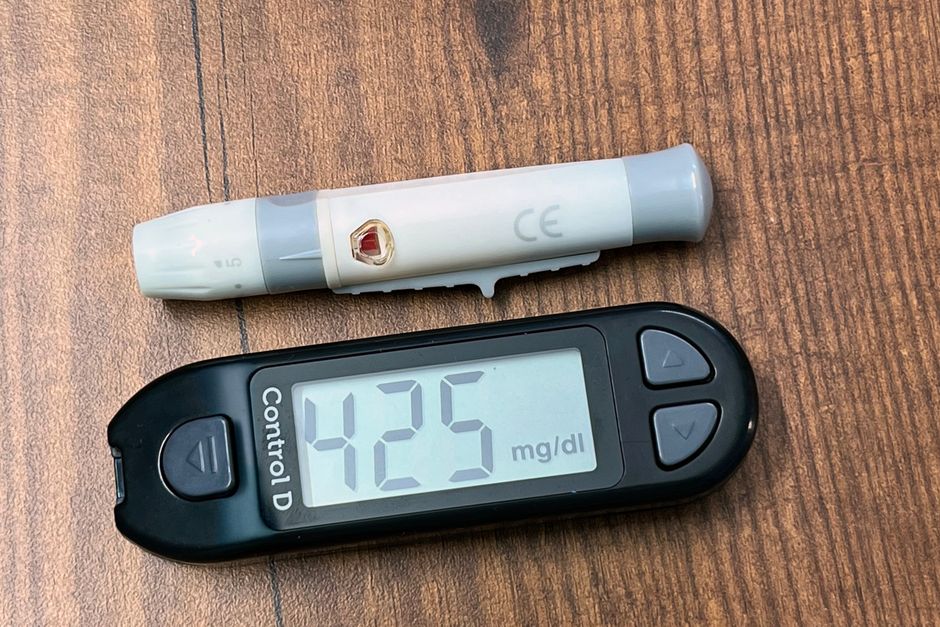
A good fasting glucose level is generally between 70 and 99 mg/dL for most adults, regardless of age. Two hours after eating, a normal glucose level is typically below 140 mg/dL. Those numbers come from widely used diagnostic criteria, but the full picture is more nuanced — age, pregnancy, and existing health conditions all shift what counts as “good.”
What Is A Good Glucose Level By Age And Condition?
There is no single glucose number that fits everyone. The reference ranges most clinicians use come from the American Diabetes Association and are based on large population studies of fasting and post-meal glucose.
Here is what those ranges look like for the most common groups:
| Group | Fasting glucose | 2-hour glucose after eating (OGTT) | A1C |
|---|---|---|---|
| Adults (non-pregnant), normal | 70–99 mg/dL | Below 140 mg/dL | Below 5.7% |
| Adults, prediabetes | 100–125 mg/dL | 140–199 mg/dL | 5.7–6.4% |
| Adults, diabetes | 126 mg/dL or higher | 200 mg/dL or higher | 6.5% or higher |
| Pregnant women (gestational diabetes screening) | 95 mg/dL or higher is abnormal | Varies by test protocol | Not used for diagnosis in pregnancy |
For children and adolescents, the same fasting ranges generally apply, though clinical guidance for diagnosing diabetes in children is based on the same thresholds used in adults. What differs is how often screening is recommended and what other risk factors are considered.
Age alone does not change the diagnostic thresholds. A fasting glucose of 100 mg/dL means the same thing whether you are 35 or 65 — it falls in the prediabetes range. What changes with age is how likely those numbers are to drift upward, and how much they matter for overall health risk.
Why Does Glucose Tend to Rise With Age?
Glucose levels tend to creep up as people get older. This is well documented and has several causes.
Insulin sensitivity declines with age. Muscle mass — which is a major site of glucose uptake — tends to decrease. Fat tissue, especially around the abdomen, tends to increase. Both changes make it harder for the body to move glucose out of the bloodstream efficiently.
The pancreas also changes. Beta cells, which produce insulin, become less responsive over time. They may still produce insulin, but the timing and amount can be off.
None of this means rising glucose is inevitable. It means the same lifestyle habits that keep glucose in range become more important with age, not less. Physical activity and maintaining muscle mass both support insulin sensitivity at any age.
Does Pregnancy Change What Counts as Normal?
Yes, significantly. Pregnancy changes glucose metabolism in ways that affect both what is measured and what is considered normal.
During pregnancy, the placenta produces hormones that increase insulin resistance. This is a normal physiological change. It ensures the growing fetus has adequate glucose. But in some women, the pancreas cannot compensate enough, and blood sugar rises to abnormal levels. This is gestational diabetes.
Gestational diabetes screening usually happens between 24 and 28 weeks of pregnancy. The thresholds are stricter than for non-pregnant adults. For example, a fasting glucose of 95 mg/dL or higher on the diagnostic test is considered abnormal during pregnancy, compared with 100 mg/dL for non-pregnant adults.
Women with gestational diabetes face a higher risk of developing type 2 diabetes later in life. The American Diabetes Association recommends glucose testing for these women after delivery and periodically afterward. The exact schedule should come from a clinician.
What About People With Existing Health Conditions?
For people already diagnosed with diabetes, the target glucose range is different from the diagnostic range. Diagnosis is about identifying the disease. Management is about preventing complications.
The American Diabetes Association generally recommends an A1C below 7% for many non-pregnant adults with diabetes. But this is not a universal target. Individual targets vary based on age, how long someone has had diabetes, other health conditions, and risk of low blood sugar.
For older adults with multiple health problems or limited life expectancy, a higher A1C target may be appropriate. For younger people with recent diagnoses and no complications, a lower target may be reasonable. These decisions are made between a patient and their clinician.
Some medications, particularly insulin and sulfonylureas, can cause hypoglycemia — blood sugar dropping below 70 mg/dL. This is a serious concern that affects target-setting. A target that is too aggressive can cause more harm than benefit in some people.
People with chronic kidney disease, liver disease, or who take corticosteroids may also have altered glucose metabolism that requires different monitoring and targets.
What Do the Different Glucose Tests Actually Measure?
There are three main ways to assess glucose, and they tell you different things.
- Fasting glucose measures blood sugar after at least 8 hours without eating. It reflects baseline glucose control.
- Two-hour oral glucose tolerance test (OGTT) measures glucose two hours after drinking a standardized glucose solution. It shows how well the body handles a glucose load.
- A1C reflects average blood glucose over roughly the past 2 to 3 months. It does not require fasting.
A1C is useful because it captures long-term patterns rather than a single moment. But it has limitations. It can be inaccurate in people with certain types of anemia, hemoglobin variants, or conditions that affect red blood cell turnover. In those cases, fasting glucose or OGTT may be more reliable.
Home glucose monitors measure capillary blood from a fingerstick. They are useful for tracking day-to-day patterns, especially for people with diabetes. But they are not designed for diagnosis. Their accuracy varies, and results should be confirmed with a lab test if there is any question.
What Should You Do If Your Numbers Are Borderline?
Borderline results — fasting glucose in the 100–125 mg/dL range or A1C between 5.7% and 6.4% — indicate prediabetes. This is a meaningful finding, not a false alarm.
Research consistently shows that people with prediabetes are at higher risk of progressing to type 2 diabetes. The Diabetes Prevention Program, a large clinical trial, found that lifestyle changes — modest weight loss and increased physical activity — reduced the risk of developing diabetes more effectively than medication in the study population.
That does not mean everyone with prediabetes will develop diabetes. Many people do not. But the diagnosis is a signal to pay attention.
What counts as “modest” weight loss and “increased” activity? The Diabetes Prevention Program used a goal of at least 7% body weight loss and 150 minutes of moderate physical activity per week. Those are specific to that trial and may not be right for everyone. A clinician can help tailor the approach.
Repeat testing is usually recommended to confirm borderline results. A single elevated reading does not always mean prediabetes. Stress, illness, certain medications, and even poor sleep the night before can affect glucose.
Do Age-Specific Glucose Targets Exist for Older Adults?
For diagnosis, no. The thresholds are the same. But for management of diabetes in older adults, yes — clinical guidance does acknowledge that targets may need to be relaxed.
The American Diabetes Association and the American Geriatrics Society both recognize that tight glucose control in older adults can increase the risk of hypoglycemia, which is more dangerous in this population. Falls, cognitive impairment, and hospitalization are all potential consequences.
For older adults who are functionally independent and have a long life expectancy, standard targets may still be appropriate. For those with multiple chronic conditions, cognitive impairment, or limited life expectancy, less aggressive targets are often recommended. The specific A1C target should be individualized.
This is one area where the evidence supports a more personalized approach rather than a one-size-fits-all number. The right target depends on the person, not just their age.
Frequently Asked Questions
What is a normal fasting blood sugar level?
A normal fasting glucose is between 70 and 99 mg/dL. A level of 100–125 mg/dL indicates prediabetes, and 126 mg/dL or higher on two separate tests indicates diabetes.
Does blood sugar naturally increase with age?
Yes, glucose levels tend to rise with age due to declining insulin sensitivity and changes in body composition. The diagnostic thresholds do not change with age, but the likelihood of developing prediabetes or diabetes increases.
What is a good blood sugar level for a pregnant woman?
During pregnancy, a fasting glucose of 95 mg/dL or higher on the diagnostic test is considered abnormal. Pregnancy uses stricter thresholds than for non-pregnant adults because of the risks to both mother and baby.
Should older adults have different blood sugar targets?
For diagnosis, no — the thresholds are the same at any age. For managing diabetes, clinical guidance does support individualized targets for older adults, especially those with other health conditions or a higher risk of low blood sugar.
