
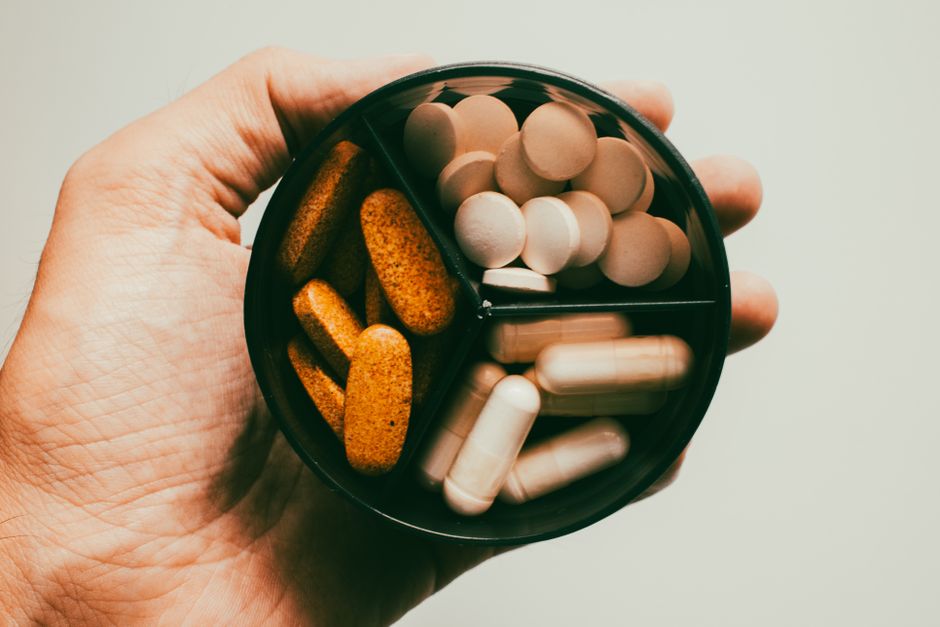
A good fiber supplement is one that matches the fiber type to your goal, is introduced slowly, and is taken with enough water. The main types are soluble fibers like psyllium and beta-glucan, insoluble fibers like wheat bran and cellulose, and synthetic or isolated fibers like methylcellulose and inulin. Each behaves differently in the gut, and no single supplement is best for everyone.
Fiber supplements are not interchangeable. Two products sitting side by side on a shelf can work through completely different mechanisms. One forms a gel. Another adds bulk. Another feeds gut bacteria. Knowing which is which helps you choose with your eyes open instead of guessing.
What Is A Good Fiber Supplement Types Compared?
A good fiber supplement depends on what you need it to do. Psyllium is the most studied soluble fiber for regularity and cholesterol. Wheat bran and cellulose add bulk and speed transit. Beta-glucan from oats or barley has the strongest evidence for lowering LDL cholesterol. Inulin and other fermentable fibers feed gut bacteria but can cause gas.
The table below compares the major types on the factors that matter most.
| Fiber type | Class | Main effect | Common supplement form |
|---|---|---|---|
| Psyllium | Soluble, gel-forming | Regularity, cholesterol, blood sugar response | Powder, capsules, wafers |
| Beta-glucan | Soluble, viscous | Cholesterol lowering | Powder, capsules |
| Wheat bran | Insoluble | Bulk, faster transit | Powder, cereal |
| Methylcellulose | Synthetic soluble | Bulk, regularity | Powder, tablets |
| Inulin and chicory root | Soluble, fermentable | Feeds gut bacteria | Powder |
| Polydextrose | Synthetic soluble | Feeds gut bacteria, bulk | Powder, added to foods |
Fiber supplements are not a substitute for fiber-rich foods. Whole foods bring vitamins, minerals, and plant compounds that a powder does not. Supplements are best viewed as a way to fill a gap, not replace the whole diet.
How Do Soluble and Insoluble Fiber Supplements Differ?
Soluble fiber dissolves in water and forms a gel in the gut. Insoluble fiber does not dissolve and mostly adds bulk to stool. That single difference explains most of the practical effects you feel.
Soluble fibers like psyllium and beta-glucan slow the movement of food through the upper gut. That gel can soften hard stool and firm loose stool at the same time. It can also blunt the rise in blood sugar after a meal and bind bile acids, which the body then replaces using cholesterol — one reason soluble fiber can lower LDL cholesterol.
Insoluble fibers like wheat bran and cellulose hold water and increase stool bulk. They tend to speed transit time. For some people that is helpful for constipation. For others, especially those with irritable bowel syndrome, it can worsen bloating and cramping.
A useful clarification: many people assume psyllium is insoluble because it feels gritty. It is actually a soluble, gel-forming fiber. That is why it works in both directions — for constipation and for loose stools.
Which Fiber Supplement Helps With Constipation?
Psyllium is the most studied fiber supplement for constipation. It is a soluble, gel-forming fiber that holds water in the stool. Methylcellulose is a reasonable alternative for people who cannot tolerate psyllium.
The key practical point is water. Gel-forming fibers need fluid to work. Taking psyllium with little water can make constipation worse, not better. Drink a full glass with each dose and keep your fluid intake up through the day.
Start with a small dose and increase slowly over one to two weeks. Fiber supplements taken at full dose from day one are a common cause of bloating and gas. Your gut adapts, but it needs time.
Some clinicians recommend starting with diet first — fruit, vegetables, legumes, and whole grains — before adding a supplement. That is reasonable. But for people who have tried diet changes and still struggle, a fiber supplement is a legitimate tool.
Which Fiber Supplement Lowers Cholesterol?
Psyllium and beta-glucan have the strongest evidence for lowering LDL cholesterol. Both are viscous soluble fibers that bind bile acids and increase cholesterol use by the liver.
Oat beta-glucan is the better known of the two because it appears in food as well as supplements. Some research suggests oat and barley beta-glucan can lower LDL cholesterol modestly when consumed regularly at meaningful amounts. Psyllium has similar evidence behind it from controlled trials.
What the evidence does not support is the idea that any fiber supplement will meaningfully lower cholesterol on its own. The effect is modest. It is most useful as part of a diet that is already low in saturated fat. A fiber supplement is not a substitute for a statin or for medical treatment of high cholesterol.
If you are taking a cholesterol medication, talk to your clinician before adding a fiber supplement. Soluble fibers can reduce the absorption of some medications if taken at the same time. Separating them by a couple of hours is a common approach, but the exact timing depends on the medication.
Are Fermentable Fiber Supplements Good for Gut Health?
Fermentable fibers like inulin, chicory root, and polydextrose feed gut bacteria. They are often marketed as prebiotics. The marketing outruns the evidence here, so it is worth being precise.
Feeding gut bacteria is a real biological effect. Certain fermentable fibers do increase populations of beneficial bacteria in controlled studies. Whether that translates into better health outcomes for a given person is much less settled. The evidence is mixed and still developing.
The practical downside is gas. Fermentable fibers produce gas as bacteria break them down. For some people that is mild. For others it causes real bloating and discomfort, especially at higher doses. Starting low and increasing slowly helps, but some people simply do not tolerate these fibers well.
People with irritable bowel syndrome are often advised to be cautious with highly fermentable fibers. Some clinicians recommend a low-FODMAP approach, in which certain fermentable fibers are limited. That is a clinical decision best made with a doctor or dietitian rather than guessed at.
What Should You Check Before Buying a Fiber Supplement?
Check the fiber type first, then the dose per serving, then the added ingredients. Many fiber powders are mostly sweetener and flavoring with a modest amount of actual fiber.
- Fiber type: Match it to your goal — psyllium for regularity, beta-glucan for cholesterol, inulin if you specifically want a fermentable fiber.
- Fiber per serving: Look at the nutrition label. A product with a small amount of fiber per scoop may not deliver much.
- Added sugar and sweeteners: Some powders carry significant added sugar or sugar alcohols, which can cause digestive upset.
- Medication interactions: Soluble fibers can affect absorption of some drugs. Ask a pharmacist if you take prescription medication.
- Water requirement: Gel-forming fibers need water. Products that do not make this clear are a warning sign.
One thing worth knowing: fiber supplements are regulated as foods in the US, not as drugs. That means they do not go through the same pre-market review for effectiveness that medications do. The label claims are not the same as proof.
How Should You Start a Fiber Supplement?
Start with a small dose, take it with plenty of water, and increase slowly over one to two weeks. This single habit prevents most of the bloating and gas people blame on fiber itself.
Take fiber supplements at a consistent time. Some people prefer them with breakfast. Others split the dose across the day, which can reduce digestive upset. There is no strong evidence that one timing is better than another, so choose what you will actually stick with.
Watch for warning signs. Severe abdominal pain, vomiting, or the inability to pass stool after taking a fiber supplement are reasons to stop and seek medical care. Fiber supplements can cause blockage in rare cases, especially if taken with too little fluid or in people with certain bowel conditions.
If you have a bowel obstruction, a narrowing of the intestine, or a condition like gastroparesis, talk to your doctor before starting any fiber supplement. Some fibers are not appropriate in these situations.
Frequently Asked Questions
What is the best fiber supplement for constipation?
Psyllium is the most studied fiber supplement for constipation because it forms a gel that holds water in the stool. Methylcellulose is a reasonable alternative if psyllium causes bloating.
Is psyllium soluble or insoluble fiber?
Psyllium is a soluble, gel-forming fiber, even though it feels gritty. That gel is why it can help with both constipation and loose stools.
Can fiber supplements lower cholesterol?
Psyllium and beta-glucan have the strongest evidence for modestly lowering LDL cholesterol. The effect is modest and works best alongside a diet low in saturated fat, not as a replacement for medical treatment.
Why do fiber supplements cause gas and bloating?
Fermentable fibers like inulin are broken down by gut bacteria, which produces gas. Starting with a small dose and increasing slowly over one to two weeks reduces this for most people.
