
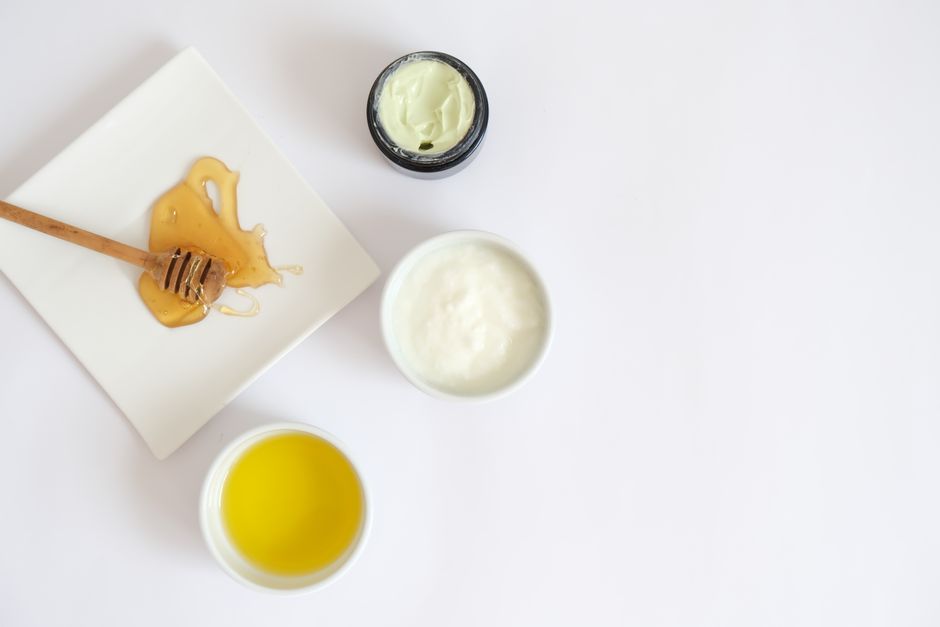
An emulsifier is a substance that helps two liquids that normally don’t mix, like oil and water, stay blended together. In food, good emulsifiers include egg yolks, mustard, soy lecithin, and honey. In skincare, good emulsifiers include beeswax, cetearyl alcohol, and lecithin. The best choice depends on what you are making, but these are the most reliable, widely used options for both home and commercial use.
How Do Emulsifiers Actually Work?
Oil and water naturally separate because their molecules repel each other. Oil molecules are non-polar, and water molecules are polar. Without help, they will always separate into distinct layers over time.
Emulsifiers have a unique molecular structure. One end of the molecule loves water, and the other end loves oil. The water-loving end attaches to water droplets, while the oil-loving end attaches to oil droplets. This creates a stable bridge that holds the two liquids together in a uniform mixture.
This mixture is called an emulsion. Mayonnaise is a classic example. It is mostly oil and vinegar, but egg yolks keep them suspended together in a creamy, stable sauce. Without the egg yolk, the vinegar and oil would separate within minutes.
What Is A Good Emulsifier For Food?
A good food emulsifier is one that is safe, effective at low concentrations, and stable under the conditions you are using it in. Different foods need different emulsifiers because of temperature, acidity, and the specific fats involved.
Egg yolk is one of the oldest and most effective food emulsifiers. It contains lecithin, a natural compound that is excellent at binding oil and water. Egg yolks are ideal for mayonnaise, hollandaise sauce, and salad dressings. They work at room temperature and can handle moderate heat, but they will break if overheated or if acid is added too quickly.
Mustard is a surprisingly strong emulsifier. It contains mucilage, a thick, sticky substance that coats oil droplets and prevents them from merging. Many vinaigrette recipes include a teaspoon of Dijon mustard specifically because it helps the dressing stay blended longer.
Soy lecithin is the most common commercial food emulsifier. It is extracted from soybeans and used in chocolate, margarine, baked goods, and salad dressings. It is highly effective at very small amounts and does not affect flavor. Sunflower lecithin is a good alternative for people avoiding soy.
Honey is a mild emulsifier. It works well in simple vinaigrettes and marinades because its thickness helps suspend oil droplets. It is not as powerful as egg yolk or mustard, but it adds flavor and works for light emulsions.
Commercial food manufacturers also use mono- and diglycerides, polysorbates, and sodium stearoyl lactylate. These are synthetic or semi-synthetic and are highly effective, but they are not typically used in home cooking.
For home use, the most reliable rule is this: use egg yolk for thick, rich emulsions like mayonnaise. Use mustard for vinaigrettes. Use honey when you want a simple, sweet dressing that stays blended for a short time.
What Is A Good Emulsifier For Skincare?
Skincare emulsions are different from food emulsions because they need to be stable over months, not hours. They also need to be safe for skin and compatible with preservatives and active ingredients.
Beeswax is one of the oldest skincare emulsifiers. It thickens formulas and helps oil and water stay mixed. It is widely used in balms, lotions, and creams. Beeswax is mild and suitable for most skin types, but it can feel heavy or waxy if used in high amounts.
Cetearyl alcohol is a fatty alcohol that acts as both an emulsifier and a thickener. Despite the name, it does not dry out skin. It is one of the most common emulsifiers in commercial lotions and creams because it is stable, affordable, and produces a smooth, non-greasy texture.
Lecithin is used in skincare as well as food. It is gentle and works well for lightweight lotions and serums. It is less stable than cetearyl alcohol and may require additional stabilizers in the formula.
Glyceryl stearate is another common skincare emulsifier. It is derived from glycerin and stearic acid and is used in many commercial creams. It produces a rich, creamy texture and is compatible with most ingredients.
For homemade skincare, many people use emulsifying wax. This is a blend of cetearyl alcohol and other emulsifiers, designed specifically for DIY lotion making. It is reliable, easy to use, and produces consistent results. It is not a single chemical but a prepared mixture, so check the ingredient list before buying.
The most important factor in choosing a skincare emulsifier is the oil-to-water ratio in your formula. High-oil formulas like balms need strong emulsifiers like beeswax. High-water formulas like lotions need lighter emulsifiers like cetearyl alcohol or glyceryl stearate.
What Is the Difference Between Natural and Synthetic Emulsifiers?
Natural emulsifiers come from plants, animals, or minerals. Egg yolk, lecithin, beeswax, and mustard are all natural. They are generally safe and well-tolerated, but they can be less stable and may require more skill to use effectively.
Synthetic emulsifiers are manufactured in a lab. Polysorbates, mono- and diglycerides, and sodium stearoyl lactylate are common examples. They are highly stable, work at very low concentrations, and produce consistent results. They are widely used in commercial food and skincare because they are reliable and cost-effective.
Natural does not automatically mean safer or better. Many natural emulsifiers can cause allergic reactions in sensitive individuals. Synthetic emulsifiers are heavily tested and approved for use by regulatory agencies. Both types are safe when used correctly.
Some consumers prefer natural emulsifiers because they are derived from recognizable sources. Others prefer synthetic because they are more stable and predictable. Neither choice is wrong. The right choice depends on your priorities and the specific product you are making.
Which Emulsifier Should You Choose?
Start with the product you are making. Food and skincare have different requirements, and the same emulsifier rarely works well for both.
For food, choose based on the texture you want and the ingredients you are using:
- Egg yolk for thick, rich sauces like mayonnaise and hollandaise
- Mustard for vinaigrettes and light dressings
- Soy or sunflower lecithin for baking, chocolate, and commercial-style products
- Honey for simple, sweet dressings and marinades
For skincare, choose based on the consistency you want:
- Beeswax for thick balms and heavy creams
- Cetearyl alcohol for smooth, light lotions
- Glyceryl stearate for rich, creamy formulas
- Emulsifying wax for reliable DIY lotion making
If you are new to making emulsions at home, start with a simple recipe and one emulsifier. Egg yolk mayonnaise and beeswax lotion bars are both forgiving for beginners. Once you understand how emulsions behave, you can experiment with other options.
Common Mistakes When Using Emulsifiers
The most common mistake is adding oil too quickly. Emulsions need time to form. If you pour all the oil in at once, the mixture will separate and you cannot fix it. Add oil slowly, in a thin stream, while whisking or blending constantly.
Temperature matters. Many emulsifiers work best when both the oil and water are at similar temperatures. For skincare, this usually means around 70°C (158°F). For food, room temperature is usually fine, but egg yolks work best when they are not ice cold.
Overheating destroys some emulsifiers. Egg yolks curdle above about 76°C (169°F). Beeswax can tolerate higher temperatures but may become brittle if overheated. Follow the recipe temperature guidelines and you will get better results.
Using too much emulsifier is another common issue. More is not better. Excess emulsifier can make food taste waxy or make skincare feel greasy. Start with the amount in a tested recipe and adjust only slightly.
Are Emulsifiers Safe?
Yes, approved emulsifiers are safe for their intended use. Food emulsifiers like lecithin, mono- and diglycerides, and polysorbates have been studied extensively and are approved by food safety authorities worldwide.
Skincare emulsifiers are also safe when used in properly formulated products. Cetearyl alcohol, glyceryl stearate, and beeswax have long histories of safe use in cosmetics. They are approved for use in leave-on products at typical concentrations.
Some people have sensitivities or allergies to specific emulsifiers, just as they can react to any ingredient. If you have sensitive skin, patch test new skincare products before applying them to your face or body. If you have food allergies, check labels carefully because soy lecithin is derived from soy and may trigger reactions in highly allergic individuals.
Frequently Asked Questions
Can I use honey as an emulsifier in skincare?
Honey is not a strong enough emulsifier for skincare products. It can help thicken a formula, but it will not keep oil and water mixed in a stable cream or lotion.
What is the best emulsifier for homemade mayonnaise?
Egg yolk is the best emulsifier for homemade mayonnaise. It is reliable, natural, and produces the classic thick, creamy texture that mayonnaise is known for.
Is lecithin safe to eat?
Yes, lecithin is safe to eat and is approved as a food additive. It is commonly used in chocolate, baked goods, and salad dressings, and it is generally well-tolerated by most people.
Can I substitute one emulsifier for another in a recipe?
Not usually. Different emulsifiers have different strengths and behave differently under heat, acid, and storage conditions. Substituting one for another often changes the final texture or causes the emulsion to break.
