
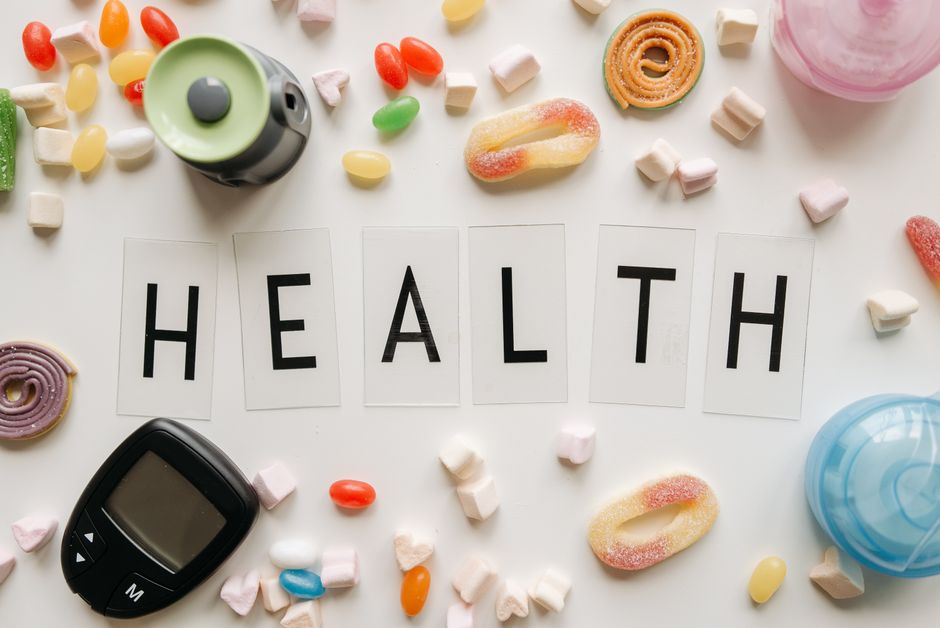
A glucose and glutamine free diet is an eating plan that removes two specific substances from food: glucose, the simple sugar your body uses for fuel, and glutamine, the most abundant amino acid in your bloodstream. People usually try it for one of two reasons — to limit sugar for metabolic or medical reasons, or because of a belief that cutting glutamine can slow the growth of cancer cells. The first goal is well understood. The second is far more complicated than most online sources admit.
What Is A Glucose And Glutamine Free Diet?
It is a diet that avoids foods containing glucose and foods containing glutamine. In practice, that means cutting most added sugars, many refined carbohydrates, and a wide range of protein foods, because glutamine is found in nearly all protein.
This is where the diet runs into a hard biological fact. Glutamine is not just something you eat. Your body makes it. Skeletal muscle produces and releases glutamine continuously, and it is the most plentiful free amino acid in human blood. Even a person eating nothing at all still has glutamine circulating in their body, because the body synthesizes it.
Glucose works the same way. Your liver makes glucose and releases it into the blood to keep levels stable, a process called gluconeogenesis. You cannot drive blood glucose to zero by diet alone without becoming seriously ill. So a “glucose and glutamine free diet” is really a diet that lowers dietary intake of both — not one that eliminates them from the body.
Why Do People Try a Glucose and Glutamine Free Diet?
The main driver is cancer. The idea comes from a real observation in cell biology: many cancer cells consume large amounts of glucose and glutamine to grow and divide. This is sometimes called the Warburg effect for glucose, and cancer cells are often described as “glutamine addicted” in laboratory studies.
That observation is accurate in a petri dish. What follows from it in a human body is where the reasoning breaks down.
Cancer cells are not the only cells that need glucose and glutamine. So do your immune cells, your gut lining, your red blood cells, and your brain. Glutamine is especially important for rapidly dividing cells in the intestinal tract and for immune function. A diet that genuinely starved cancer of these nutrients would also stress healthy tissue.
There is also a practical problem. No human trial has shown that removing glucose and glutamine from the diet slows cancer growth in people. The evidence for this approach comes almost entirely from laboratory and animal work, not from controlled studies in humans. That gap matters. A mechanism that works in a dish does not automatically work in a person.
What Foods Contain Glucose and Glutamine?
Glucose is present in almost anything sweet or starchy. Table sugar, honey, fruit, fruit juice, milk, bread, rice, pasta, and most processed foods contain glucose either directly or as something your body converts into it quickly.
Glutamine is different. It is one of the amino acids that make up protein, so it is found in essentially all protein foods — meat, poultry, fish, eggs, dairy, beans, lentils, soy, and nuts. It is also sold as a standalone supplement, often marketed for gut health and exercise recovery.
This creates the central contradiction of the diet. If you avoid glutamine, you avoid protein. If you avoid protein for long, you lose muscle, weaken your immune system, and slow healing. For anyone already dealing with illness, that trade-off can be dangerous.
Common foods the diet would restrict
- Added sugars and sweetened drinks
- Refined grains like white bread, white rice, and most pasta
- Fruit and fruit juice
- Milk and yogurt
- Meat, poultry, fish, and eggs
- Beans, lentils, and soy products
- Nuts and seeds
That list covers most of what people eat. Following this diet strictly for more than a short time is difficult, and could lead to nutrient deficiencies if not carefully managed with a professional.




Does Cutting Glutamine Actually Starve Cancer Cells?
No human evidence supports that it does. This is the honest answer, and it is worth stating plainly because the opposite claim is repeated widely online.
Laboratory studies do show that some cancer cells depend heavily on glutamine. That finding has led researchers to develop drugs that block glutamine metabolism, not diets. Those drugs are still being studied in clinical trials and are not the same as avoiding glutamine in food.
There is a second problem with the dietary approach. When you eat less glutamine, your body does not simply run out. Muscle tissue can release more. The body tightly regulates glutamine levels in the blood, so a low-glutamine diet does not reliably lower the glutamine available to a tumor. Some research even suggests that blocking glutamine can push cancer cells to adapt and use other fuel sources.
Cancer nutrition is a field where the stakes are high and misinformation spreads fast. Legitimate cancer centers generally advise patients to eat enough protein and calories to tolerate treatment, not to restrict protein. Anyone considering a restrictive diet during cancer treatment should talk to their oncology team first, because malnutrition during treatment is a real and serious risk.
Is There a Legitimate Reason to Limit Glucose?
Yes, and it is much better established than the glutamine side. Limiting added sugar and refined carbohydrates is standard advice for several conditions.
For people with type 2 diabetes, managing carbohydrate intake helps control blood glucose. For people with insulin resistance or prediabetes, reducing refined carbs and added sugars is a common clinical recommendation. The American Heart Association advises limiting added sugars, and the Dietary Guidelines for Americans recommend keeping added sugars to less than 10% of daily calories.
But “limiting glucose” and “glucose free” are not the same thing. You need glucose to live. Your brain and red blood cells depend on it, and your body will make it from other sources if you do not eat it. A truly glucose-free diet is not a real option for a living person.
What people usually mean by this part of the diet is cutting added sugar and refined carbs — a goal that overlaps with well-known eating patterns like low-carb or Mediterranean-style diets. Those have real evidence behind them for metabolic health. The glutamine restriction does not.
What Are the Risks of This Diet?
The biggest risk is malnutrition, especially from cutting protein. Protein is not optional. It provides the amino acids your body cannot make on its own, and it is needed to maintain muscle, support the immune system, and repair tissue.
Other potential risks include:
- Muscle loss and weakness from low protein intake
- Weakened immune response, since immune cells rely on glutamine
- Poor gut health, because intestinal cells use glutamine heavily
- Blood sugar swings if carbohydrate intake is cut too aggressively, especially for people on diabetes medication
- Nutrient gaps from removing entire food groups like fruit, dairy, and legumes
For people with diabetes, cutting carbohydrates sharply without adjusting medication can cause blood sugar to drop too low. That is a medical issue, not a lifestyle tweak, and it needs a doctor’s guidance.
How Does a Glucose and Glutamine Free Diet Compare to Other Diets?
It overlaps with low-carb and ketogenic diets on the glucose side, but goes further by also targeting protein. That extra step is what separates it from diets with actual evidence behind them.
| Diet | Limits glucose/carbs | Limits glutamine/protein | Human evidence |
|---|---|---|---|
| Glucose and glutamine free | Yes | Yes | No trials for cancer; risk of malnutrition |
| Low-carb | Yes | No | Evidence for blood sugar and weight |
| Ketogenic | Yes, severely | No | Used medically for some conditions under supervision |
| Mediterranean | Moderately | No | Strong evidence for heart and metabolic health |
Notice the pattern. The diets with real human evidence limit carbohydrates, not protein. The glutamine restriction is the part with no clinical support — and the part most likely to cause harm.
The Bottom Line on Glucose and Glutamine
Your body makes both glucose and glutamine on its own, so no diet can remove them. Cutting added sugar and refined carbs has real, well-documented benefits for metabolic health. Cutting glutamine by avoiding protein does not have that support, and it carries genuine risks.
The claim that a glutamine-free diet starves cancer is not backed by human evidence. It comes from lab findings that have not translated into people. If you or someone you love is considering this diet during cancer treatment or for a chronic condition, talk to a doctor or a registered dietitian first. That conversation is worth more than any diet trend.
Frequently Asked Questions
Can you actually follow a glucose and glutamine free diet?
Not completely, because your body makes both glucose and glutamine on its own. You can lower how much you eat of each, but you cannot eliminate them from your body through food choices.
Does a glutamine free diet starve cancer cells?
No human studies have shown that it does, even though lab studies show some cancer cells use glutamine heavily. The body regulates blood glutamine levels, so cutting it from food does not reliably lower what reaches a tumor.
What foods are highest in glutamine?
Protein foods are the main sources, including meat, poultry, fish, eggs, dairy, beans, lentils, soy, and nuts. Glutamine is also sold as a supplement, often marketed for gut and muscle health.
Is cutting glucose safe for people with diabetes?
Reducing added sugar and refined carbs is a standard part of diabetes care, but cutting carbohydrates sharply can cause blood sugar to drop too low, especially with medication. This should be done with a doctor’s guidance, not on your own.
