

Your muscular system does far more than help you lift a grocery bag or walk across a room. It produces every movement your body makes, keeps you upright against gravity, generates most of your body heat, and moves food through your digestive tract without any conscious effort from you. The muscular system is one of the most widespread organ systems in the body, and its functions touch nearly every other system.
What Is A Function Of The Muscular System?
The primary function of the muscular system is to produce force and movement. Muscle tissue contracts — it shortens and pulls — and that single action drives everything from a heartbeat to a smile.
Beyond movement, the muscular system performs several other jobs that are easy to overlook:
- Movement: Skeletal muscles pull on bones to create walking, reaching, chewing, and speaking.
- Posture and stability: Muscles hold your spine, head, and joints in position against gravity all day.
- Heat production: Muscle contractions release heat that helps maintain your core body temperature.
- Protection: Muscles cushion and shield internal organs, bones, and joints.
- Internal transport: Smooth muscle pushes food through the digestive tract and moves blood through vessels.
- Substance movement: Sphincter muscles control the release of urine and feces, and muscles in the chest drive breathing.
These functions happen simultaneously. When you stand up from a chair, your leg muscles generate movement, your core muscles maintain balance, and your heart muscle keeps pumping — all at once.
What Are The Three Types Of Muscle In The Body?
Your body contains three distinct types of muscle tissue, each built for a different job. They differ in structure, control, and where they are found.
Skeletal muscle is attached to bones by tendons. It is voluntary, meaning you consciously control it. These are the muscles you see and feel when you flex. Skeletal muscle appears striped (striated) under a microscope because of how its protein fibers are arranged.
Smooth muscle lines the walls of hollow organs — your stomach, intestines, blood vessels, bladder, and uterus. It is involuntary. You cannot consciously tell your intestines to contract. Smooth muscle works slowly and steadily, and it does not tire the way skeletal muscle does.
Cardiac muscle exists only in your heart. It is also involuntary and striated like skeletal muscle, but it has unique properties. Cardiac muscle cells connect to each other and generate their own electrical impulses, which is why your heart beats without you thinking about it.
| Feature | Skeletal | Smooth | Cardiac |
|---|---|---|---|
| Control | Voluntary | Involuntary | Involuntary |
| Location | Attached to bones | Walls of hollow organs | Heart only |
| Appearance | Striated | Not striated | Striated |
| Fatigue resistance | Fatigues quickly | Fatigues very slowly | Does not fatigue under normal conditions |
All three types work by the same basic mechanism: proteins inside the cells slide past each other to shorten the muscle fiber. The differences lie in how that process is triggered and regulated.
How Do Muscles Actually Create Movement?
Muscles create movement by contracting — they pull, they never push. That single fact explains a lot about how your body is built.
When a muscle contracts, the fibers inside it shorten. Those fibers are made of two proteins, actin and myosin, that slide past each other. This is called the sliding filament mechanism, and it is well established in physiology. The muscle pulls on the tendon, the tendon pulls on the bone, and the bone moves at the joint.
Because muscles can only pull, they work in pairs. Your biceps muscle bends your elbow. Your triceps muscle straightens it. When one contracts, the other relaxes. This arrangement exists throughout your body.
The signal to contract comes from your nervous system. A motor neuron sends an electrical impulse to muscle fibers, which triggers the release of calcium inside the cells. Calcium is the switch that allows actin and myosin to interact. Without that signal, the muscle stays relaxed.
One detail worth knowing: the strength of a muscle contraction depends on how many motor units are activated, not on how hard a single fiber pulls. A single fiber either contracts fully or not at all. Your brain controls force by recruiting more fibers or fewer.



How Does The Muscular System Help With Posture And Stability?
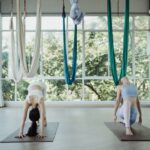
Staying upright is active work. Your postural muscles contract continuously to hold your skeleton in alignment against gravity, even when you feel like you are standing still.
Muscles in your back, abdomen, hips, and neck make constant small adjustments to keep your center of gravity over your feet. This is why your muscles feel tired after standing for a long time. They have been working the whole time, just not in a way you notice.
Core muscles — those around your trunk and pelvis — stabilize your spine during movement. When you lift something heavy, your core braces before your arms even move. This bracing protects your spine from excessive load.
Weak postural muscles can contribute to slouching, back discomfort, and reduced balance. This is one reason physical activity matters for people of all ages. The relationship between muscle strength and fall risk is well documented in older adults. Research consistently shows that strength training can improve balance and reduce falls in this population.
Does The Muscular System Help Regulate Body Temperature?
Yes. Muscles generate a large share of your body heat, and they help regulate temperature in two ways.
First, muscle contractions produce heat as a byproduct. When you exercise, your muscles generate excess heat, which is why you sweat. Sweating cools you as the moisture evaporates from your skin.
Second, when you are cold, your body triggers shivering. Shivering is rapid, involuntary muscle contraction that produces heat without creating useful movement. It is your body’s emergency heating system.
Muscle tissue also affects metabolism. Muscle burns more calories at rest than fat tissue does. This means that muscle mass influences your resting metabolic rate, though the exact contribution varies between individuals. The relationship is real but often overstated in fitness marketing. Muscle does not burn hundreds of extra calories per pound per day, as some sources claim.
What Other Body Functions Depend On Muscles?
Several critical body functions rely on muscle tissue that you never consciously control.
Breathing depends on the diaphragm, a dome-shaped skeletal muscle below your lungs. When it contracts, it flattens and creates space for your lungs to expand. The intercostal muscles between your ribs also assist. You can control breathing voluntarily, but the basic rhythm is automatic.
Digestion uses smooth muscle to push food through your esophagus, stomach, and intestines. This process is called peristalsis — wave-like contractions that move contents forward. Without it, food would not travel through your digestive tract.
Blood circulation involves smooth muscle in your blood vessel walls. These muscles adjust vessel diameter to control blood pressure and direct blood flow to where it is needed. Your heart, a cardiac muscle, provides the pumping force.
Waste elimination depends on sphincter muscles that control the release of urine and feces. These muscles stay contracted most of the time and relax when you need to go.
Childbirth involves powerful smooth muscle contractions in the uterus. This is one of the strongest muscular efforts the human body produces.
Vision relies on tiny muscles inside your eyes that change the shape of your lens and the size of your pupils. These are among the smallest and fastest muscles in the body.
How Does Muscle Change With Age And Use?
Muscle tissue adapts to how you use it. This principle applies at every age.
When you challenge your muscles with resistance — lifting weights, carrying loads, climbing stairs — the fibers respond over time by getting stronger and sometimes larger. This is called hypertrophy. The process requires adequate protein intake and recovery time between sessions.
When you stop using muscles, they weaken and shrink. This is called atrophy. It happens after injury, during illness, and with prolonged bed rest. Astronauts experience significant muscle loss in space because they no longer work against gravity.
Starting around age 30, adults begin to lose muscle mass gradually. This age-related loss is called sarcopenia. The rate varies widely between individuals and depends heavily on activity level, nutrition, and overall health. Some research indicates that physically active adults lose muscle mass more slowly than sedentary ones, though the exact protective effect varies.
Resistance training can slow or partially reverse sarcopenia at almost any age. Studies in older adults show that muscle strength improves with training even into the 80s and 90s. The gains may be smaller than in younger people, but they are real and measurable.
What Happens When Muscles Do Not Work Properly?
Muscle dysfunction can take many forms, and the causes range from temporary to permanent.
Muscle cramps are sudden, involuntary contractions that can happen during exercise, dehydration, or at rest. They are common and usually harmless, though frequent cramps can sometimes signal an underlying issue such as a mineral imbalance or medication side effect.
Muscle weakness can result from nerve damage, since muscles depend on nerve signals to contract. Conditions that affect the nerves, the junction between nerve and muscle, or the muscle tissue itself can all cause weakness. The pattern of weakness — which muscles are affected and how it progresses — helps clinicians narrow down the cause.
Muscular dystrophies are a group of genetic conditions that cause progressive muscle weakness and loss. They differ in which muscles are affected, when symptoms begin, and how quickly they progress. These are uncommon conditions, and diagnosis typically involves genetic testing and sometimes muscle biopsy.
Inflammatory myopathies are conditions where the immune system attacks muscle tissue. They can cause weakness, pain, and sometimes skin changes. Diagnosis usually requires blood tests, imaging, and sometimes biopsy.
Muscle pain after exercise — delayed onset muscle soreness — is normal and typically peaks a day or two after unfamiliar activity. It is not the same as injury pain, which tends to be sharper and more localized.
Any persistent muscle weakness, pain, or loss of function deserves medical evaluation. The cause could be minor or serious, and only a clinician can determine which.
Frequently Asked Questions
What is the main function of the muscular system?
The main function is producing movement by contracting and pulling on bones. Muscles also maintain posture, generate body heat, and move substances through internal organs.
How many muscles are in the human body?
Most anatomy references describe around 600 skeletal muscles in the human body, though counts vary because some sources group certain muscles together. This number does not include the smooth muscle in organs or the cardiac muscle in the heart.
Can you survive without your muscular system?
No. You cannot survive without muscle function because breathing, heartbeat, and digestion all depend on muscle tissue. Even a complete loss of skeletal muscle would make breathing impossible.
Do muscles burn calories at rest?
Yes, muscle tissue uses energy even at rest, and it burns more calories than fat tissue does. The difference per pound is real but smaller than many fitness sources suggest.
