
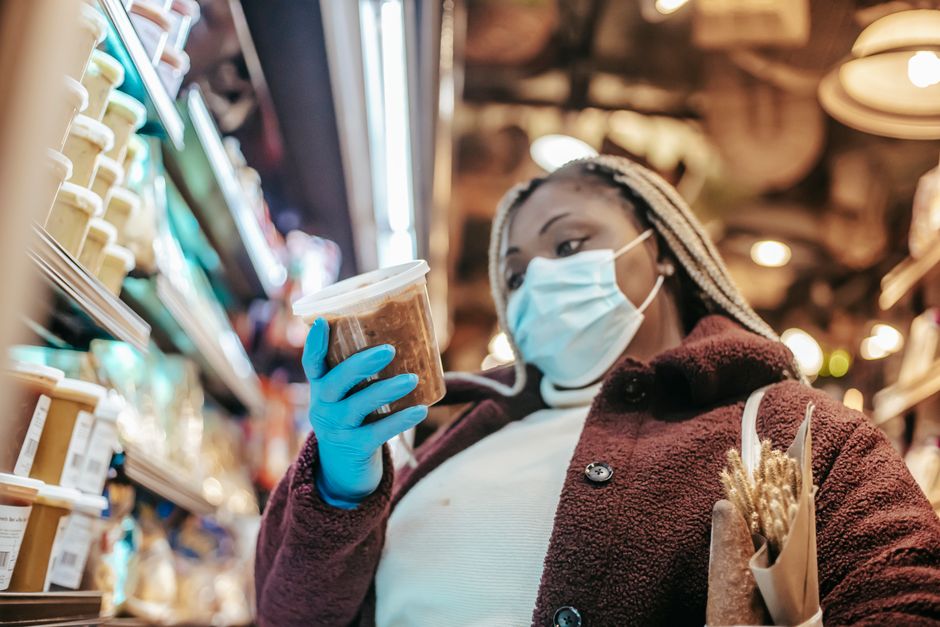
A food safety system is the set of rules, records, and physical controls that keeps food from causing harm as it moves from a farm or factory to your plate. Its structure describes how responsibilities are divided among growers, processors, regulators, and sellers. Its standards are the specific, measurable limits and practices those parties must meet. Together they form a chain of accountability that runs from raw ingredients to the final package.
What Is A Food Safety System Structure And Standards?
Think of the structure as the skeleton and the standards as the joints that hold it together. The structure answers “who is responsible for what.” The standards answer “what does good look like, and how do we prove it.”
In the United States, that structure involves food producers, processors, distributors, retailers, and several government agencies. The Food and Drug Administration oversees most domestic and imported food, while the Food Safety and Inspection Service within the U.S. Department of Agriculture oversees meat, poultry, and processed egg products. State and local health departments handle restaurants, grocery stores, and food service. The standards they enforce come from federal regulations, industry programs, and international benchmarks.
The key idea is that no single test or inspection makes food safe. Safety comes from preventing contamination at each step, then verifying that the prevention worked.
The Three Layers of Any Food Safety System
Most systems, whether a small bakery or a global supplier, rest on three layers.
- Prerequisite programs: basic hygiene, pest control, water quality, employee training, and equipment maintenance. These create a clean baseline.
- Preventive controls: steps designed to stop specific hazards, such as cooking to a set temperature, refrigerating below a set point, or testing for pathogens.
- Verification: records, testing, and audits that confirm the controls actually worked. Without this layer, a system is just paperwork.
This layered approach is why food safety is often described as a system rather than a single rule. Removing one layer weakens the whole chain.
What Are the Main Components of a Food Safety System?
A working system has several moving parts that must connect. If any part fails, contamination can slip through.
Hazard analysis identifies what could go wrong — bacteria, viruses, parasites, allergens, chemicals, or physical objects like glass or metal. Preventive controls are the specific actions taken to stop those hazards. Monitoring checks whether the controls are working in real time. Corrective actions describe what happens when monitoring shows a problem. Verification confirms the whole system is functioning. Record-keeping documents all of it so regulators and auditors can review the evidence.
These components are not unique to large companies. A small restaurant that checks cooler temperatures twice a day and logs the results is running a simplified version of the same structure.
Why Records Matter More Than People Realize
A food safety system without records is unverifiable. Records show that a control was applied at a specific time and that it met a specific standard. During an outbreak investigation, those records are often the first thing investigators request. They help trace which batch, which line, or which supplier may be involved.
This is also why food safety culture matters. A system can be perfectly designed on paper and still fail if workers skip steps or if managers ignore warning signs. The structure and standards only work when people follow them consistently.
What Standards Do Food Safety Systems Follow?
Standards are the measurable requirements that define safe food handling. They come from several sources, and a single product may need to meet more than one set.
Government regulations set legal minimums. In the U.S., the FDA Food Safety Modernization Act shifted the focus from reacting to outbreaks toward preventing them. It requires many food facilities to have a written food safety plan based on hazard analysis and risk-based preventive controls. The USDA sets similar requirements for meat and poultry. International standards, such as those from the Codex Alimentarius Commission, provide benchmarks used in global trade.
Private standards also exist. Retailers and buyers often require suppliers to meet additional audits or certifications. These are not laws, but they can determine whether a product reaches a particular shelf.
Common Standards You May See on Labels or Audits
- Temperature control: refrigeration and cooking limits that slow or kill pathogens.
- Allergen control: preventing cross-contact between allergenic and non-allergenic foods.
- Sanitation: cleaning and sanitizing procedures for surfaces, tools, and equipment.
- Traceability: the ability to track a product one step back and one step forward in the supply chain.
- Water safety: ensuring water used in processing or irrigation does not introduce contamination.
Each standard exists because a specific hazard has caused illness before. They are practical responses to real problems, not arbitrary rules.





How Does HACCP Fit Into Food Safety Systems?
HACCP stands for Hazard Analysis and Critical Control Points. It is a systematic method for identifying where contamination is most likely to occur and building controls at those exact points. It was developed in the 1960s for the space program and later adopted widely across the food industry.
HACCP has seven principles: conduct a hazard analysis, determine critical control points, set critical limits, monitor them, establish corrective actions, verify the system, and keep records. Many food safety regulations around the world are built on this framework.
HACCP is not the same as a full food safety system, though people often use the terms interchangeably. HACCP focuses on critical control points — the few steps where a failure would likely cause illness. A complete system also includes prerequisite programs like sanitation and training. HACCP works best when those basics are already in place.
A Simple Example
Consider a facility that cooks ground beef. A hazard analysis might identify E. coli as a biological hazard. The critical control point is the cooking step. The critical limit is a specific internal temperature. Monitoring means checking that temperature for every batch. If a batch fails, the corrective action is to continue cooking or discard it. Verification might include periodic testing. Records document all of it.
That sequence — hazard, control point, limit, monitor, correct, verify, record — is the backbone of modern food safety management.
What Is the Difference Between Food Safety and Food Quality?
Food safety and food quality are related but distinct. Safety is about preventing harm. Quality is about characteristics like taste, texture, color, and freshness.
A food can be safe but poor quality — think of a bruised apple that is still fine to eat. A food can also appear high quality but be unsafe — a perfectly ripe piece of fruit contaminated with bacteria. Safety standards are typically mandatory and enforced by law. Quality standards are often voluntary and driven by customer preference.
This distinction matters because a food that looks, smells, and tastes normal can still cause illness. Pathogens like Salmonella and Listeria do not usually change the appearance or smell of food. That is why safety relies on process controls and testing rather than sensory checks alone.
How Do Food Safety Systems Protect Consumers?
They protect consumers by reducing the chance that contaminated food reaches the market and by making it easier to remove food quickly when something goes wrong.
Preventive controls reduce contamination at the source. Traceability allows a company or regulator to identify affected products and issue a recall before more people get sick. Surveillance systems, including those run by public health agencies, track illness reports and spot patterns that might indicate an outbreak.
No system is perfect. Outbreaks still happen, and recalls are issued regularly. But the structure and standards exist to catch problems early and limit their spread. When they work well, most consumers never notice them.
What This Means for Your Kitchen
The same principles apply at home, though in a simpler form. Keeping raw meat separate from ready-to-eat foods, cooking to safe internal temperatures, refrigerating promptly, and washing hands and surfaces are all preventive controls. They follow the same logic as industrial systems, just scaled down.
Home food safety does not require records or audits. But the underlying idea is identical: stop contamination before it happens rather than trying to fix it afterward.
Why Food Safety Systems Keep Changing
Food safety systems evolve because the food supply and the science around it change. New pathogens emerge, supply chains stretch across continents, and testing methods improve. Regulations are updated to reflect what researchers learn about how contamination spreads and how to prevent it.
The shift toward prevention-based systems reflects a broad recognition that testing finished products is not enough. Testing catches some problems, but it cannot catch everything, and it happens after the food is made. Controlling the process is more reliable than hoping the final product passes a test.
That is the core principle behind every modern food safety system: control the process, document the control, and verify it worked.
Frequently Asked Questions
What is a food safety system in simple terms?
A food safety system is the combination of rules, procedures, and records that prevent food from causing illness as it moves from production to your table. It relies on preventing contamination rather than catching it after the fact.
What are the main standards in food safety?
Main standards include temperature control, allergen management, sanitation, traceability, and water safety. These come from government regulations, international benchmarks like Codex Alimentarius, and private buyer requirements.
What is the difference between HACCP and a food safety system?
HACCP is a method for identifying and controlling specific hazards at critical points in food production. A full food safety system includes HACCP plus prerequisite programs like sanitation, training, and pest control.
Can food be safe but still look or smell bad?
Yes. Appearance, smell, and taste are quality indicators, not safety indicators. Pathogens such as Salmonella and Listeria can be present without changing how food looks or smells.
