
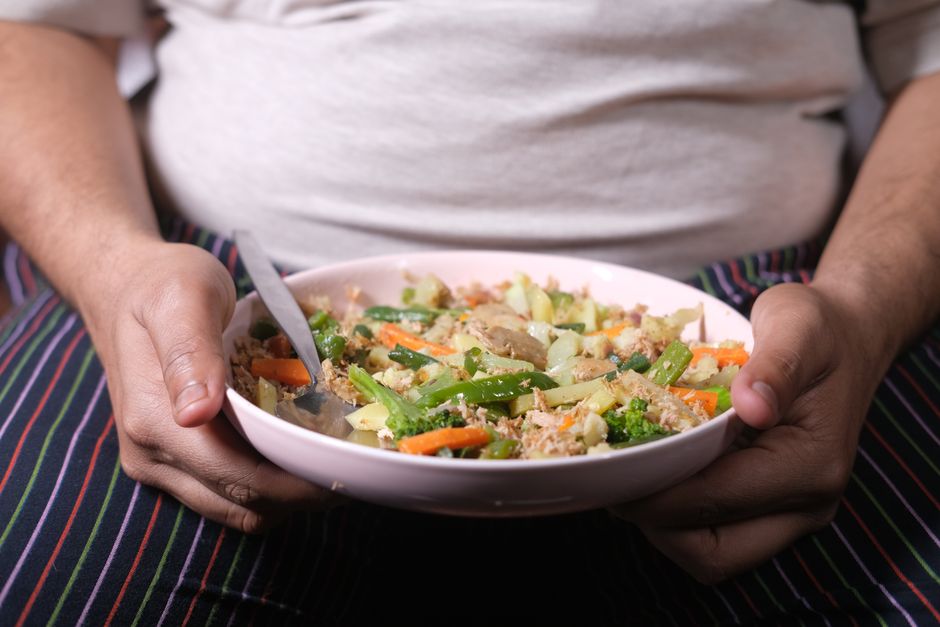
You just finished a big holiday meal. Twenty minutes later, your eyelids get heavy, your stomach feels stretched and full, and all you want to do is lie down. People call this a food coma. The medical term is postprandial somnolence — sleepiness after eating. It is a real, measurable shift in alertness, not just laziness. It is not a diagnosed disease, and in most cases it passes on its own within an hour or two. But the size of the meal, what was in it, and your underlying health all shape how hard it hits.
What Is a Food Coma and What Causes It?
Postprandial somnolence is the temporary drowsiness that follows a meal. It is not a coma in any medical sense. Nobody loses consciousness, and nobody needs treatment for the sleepiness itself.
The causes are partly mechanical and partly chemical. A large meal stretches the stomach wall, which triggers nerve signals that promote a feeling of fullness and calm. Blood flow shifts toward the digestive tract to handle the workload. Hormones tied to satiety — including cholecystokinin, glucagon-like peptide-1, and insulin — rise after eating, and some of these are associated with drowsiness. The brain’s orexin system, which helps keep you awake and alert, appears to be suppressed after a meal. Research in animal models has shown that glucose and insulin can blunt orexin-producing neurons. Human studies point in the same direction, though the exact chain of events in people is still being worked out.
One widely repeated claim deserves a correction. You may have heard that tryptophan in turkey causes Thanksgiving drowsiness. Tryptophan is an amino acid that the body uses to make serotonin and melatonin, and it does play a role in sleep regulation. But turkey does not contain unusually high amounts compared with chicken or other meats. The sleepiness after a holiday dinner is better explained by the total volume of food, the fat and carbohydrate load, alcohol, and the timing of the meal. The tryptophan story is mostly myth.
What Are the Symptoms of a Food Coma?
The symptoms are familiar and usually mild. They tend to peak within the first hour after eating and fade within one to two hours.
- Heavy eyelids and a strong urge to nap
- Reduced concentration and slower reaction time
- A stretched, overly full feeling in the abdomen
- Mild bloating or pressure
- Low motivation to move or be active
- Occasionally, mild nausea if the meal was very large or very rich
These are normal responses to a big meal. What is not normal is sleepiness that lasts for hours, comes with confusion, or shows up after every meal no matter how small. That pattern points to something else going on, and it is worth a conversation with a clinician.
Why Do Some Meals Hit Harder Than Others?
Not all meals produce the same slump. The composition and size of what you eat matter as much as the total calories.
High-fat meals tend to slow stomach emptying, which prolongs the full, heavy feeling. Large carbohydrate loads drive a bigger insulin response, and the resulting shifts in blood sugar can add to the drowsiness. Alcohol is a sedative on its own and compounds the effect. Eating quickly and eating far more than your usual portion both amplify the response.
Meal timing plays a role too. A heavy meal late at night, when the body’s circadian rhythm is already promoting sleep, tends to feel worse than the same meal at midday. There is also evidence that the body’s natural dip in alertness in the early afternoon overlaps with the after-lunch slump, which is why lunch often produces the most noticeable sleepiness of the day.
Is a Food Coma a Sign of a Health Problem?
Occasional sleepiness after a large meal is normal. A consistent, intense crash after eating is a different story and can be a signal worth investigating.
Postprandial somnolence is not a diagnosis. It is a symptom that can accompany several conditions. People with type 2 diabetes or prediabetes sometimes report pronounced sleepiness after high-carbohydrate meals, tied to swings in blood glucose. Insulin resistance can make those swings larger. Sleep disorders such as obstructive sleep apnea can leave a person chronically tired and make any post-meal dip feel much worse. Anemia, thyroid problems, and certain medications can also contribute to daytime sleepiness.
Here is where caution matters. Feeling sleepy after eating does not mean you have diabetes or any other condition. Most of the time it means you ate a large meal. The signal to pay attention to is a pattern — sleepiness that is severe, that happens after small meals, or that comes with other symptoms like unusual thirst, frequent urination, or unexplained weight change. Those are reasons to see a clinician, not to self-diagnose.
How Do You Prevent or Reduce a Food Coma?
You can blunt the effect by changing how and what you eat. None of these steps is a treatment for a medical condition, and none is guaranteed to eliminate the sleepiness entirely.
- Eat smaller portions. Volume is one of the biggest drivers.
- Slow down. Give your body time to register fullness.
- Balance the plate. Pair carbohydrates with protein, fiber, and fat to soften blood sugar swings.
- Go easy on alcohol, especially with a heavy meal.
- Take a short walk after eating rather than lying down immediately.
- Avoid your largest meal of the day close to bedtime.
A brief walk after a meal is one of the more practical steps. Light movement after eating is associated with better blood glucose control in some studies, and it also counteracts the urge to sink into the couch. It does not need to be vigorous. Ten minutes of easy walking is enough to make a difference for many people.
If you are genuinely tired, a short nap of about 20 minutes can take the edge off without leaving you groggy. Longer naps can interfere with nighttime sleep, which can create a cycle of daytime tiredness.
When Should You See a Doctor?
Talk to a clinician if the sleepiness is severe, if it happens after meals that are not large, or if it interferes with your daily life. The same applies if it comes with symptoms that suggest an underlying issue.
Those accompanying symptoms include persistent fatigue that is there even without eating, unusual thirst, frequent urination, blurred vision, unintended weight loss or gain, or mood changes. Loud snoring and waking up unrefreshed can point to sleep apnea. None of these should be self-diagnosed from an article. They are simply reasons to get a proper evaluation.
It also helps to bring a simple record to that appointment. Note what you ate, how much, when, and how sleepy you felt afterward. That pattern is far more useful to a clinician than a single vague complaint of being tired after meals.
What Actually Helps in the Moment?
Once the drowsiness has set in, there is no switch to flip. The feeling is driven by digestion, hormones, and blood flow that need time to settle. The most reliable approach is to let it pass.
If you can rest, a short nap helps. If you cannot, standing up, getting a little daylight, and moving around gently can take the edge off. Cold water and a brief walk are low-risk and may help you feel more alert. Caffeine can help with alertness, but it can also interfere with sleep later in the day, so timing matters.
What does not help is fighting through a very large meal and then expecting to be sharp immediately. The body is doing exactly what it is designed to do after a big meal. The realistic goal is to make the next meal smaller and better balanced, not to override the current one.
Frequently Asked Questions
What is a food coma?
A food coma is the everyday term for postprandial somnolence — sleepiness and reduced alertness after eating. It is a normal temporary response to a meal, not a medical condition or an actual coma.
What causes sleepiness after eating?
A large meal stretches the stomach, shifts blood flow to the digestive tract, and triggers satiety hormones that are linked to drowsiness. Meal size, fat and carbohydrate content, alcohol, and late-night timing all make it worse.
Does turkey really make you sleepy?
No, not because of its tryptophan. Turkey does not contain unusually high tryptophan compared with other meats. Holiday sleepiness is better explained by eating a very large meal, often with alcohol, late in the day.
When should I worry about a food coma?
See a clinician if the sleepiness is severe, happens after small meals, lasts for hours, or comes with symptoms like unusual thirst, frequent urination, or constant fatigue. Occasional sleepiness after a big meal is not a cause for concern.
