
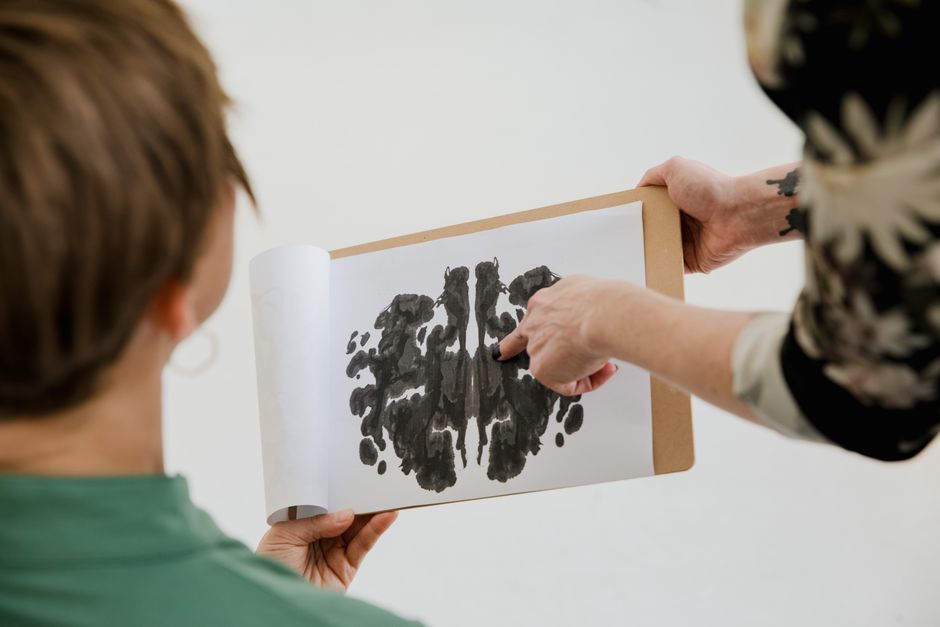
A dual diagnosis treatment center is a medical facility that treats people who have both a mental health condition and a substance use disorder at the same time. This is different from a standard rehab or psychiatric unit that only addresses one issue. In a dual diagnosis program, both conditions are treated together because they are deeply connected. Treating only one while ignoring the other often leads to relapse or a return of severe symptoms.
The term “dual diagnosis” is common, but the condition itself is more complex than the name suggests. A person might struggle with depression and alcohol dependence. Another might have anxiety and an opioid use disorder. The combination can involve any mental health condition paired with any form of substance misuse. The central idea is that these conditions feed into each other, and recovery requires a plan that accounts for both.
What Conditions Are Treated at a Dual Diagnosis Center?
Dual diagnosis centers treat the full range of mental health conditions alongside substance use disorders. The most common mental health conditions seen in these settings include major depression, bipolar disorder, anxiety disorders, post-traumatic stress disorder (PTSD), and schizophrenia. Substance use disorders can involve alcohol, opioids, stimulants, benzodiazepines, or cannabis. Some centers also treat behavioral addictions like gambling, though this is less common.
The specific combination matters less than the approach. A person with schizophrenia and a cocaine use disorder needs a different treatment plan than someone with social anxiety and alcohol dependence. The center should be able to tailor the program to the individual rather than applying a one-size-fits-all protocol.
It is also important to understand that substance use can cause mental health symptoms, and mental health conditions can drive substance use. Someone with untreated ADHD might use stimulants to self-medicate. Someone with chronic depression might drink heavily to numb emotional pain. In other cases, heavy drug use triggers a psychiatric condition that was dormant. A dual diagnosis center evaluates which came first when possible, but the treatment plan focuses on managing both conditions in the present.
How Does Dual Diagnosis Treatment Work?
Treatment at a dual diagnosis center usually follows a structured sequence. It begins with a comprehensive assessment. This includes a psychiatric evaluation, a substance use history, a medical exam, and often lab work to check for co-occurring physical health issues. The assessment determines the severity of both conditions and helps the team build an individualized plan.
Detoxification is often the first medical step. If a person is physically dependent on alcohol, benzodiazepines, or opioids, withdrawal can be dangerous. Medical detox provides supervision and medication to manage withdrawal symptoms safely. Detox alone does not treat the underlying conditions, but it stabilizes the person enough to participate in therapy.
After detox, the core treatment begins. This typically includes individual therapy, group therapy, and medication management. Cognitive behavioral therapy (CBT) is one of the most widely used and evidence-supported approaches. It helps people identify the thoughts and behaviors that drive both substance use and mental health symptoms. Dialectical behavior therapy (DBT) is also common, particularly for people with emotional regulation issues or borderline personality disorder.
Medication is often a critical part of the plan. Psychiatric medications may include antidepressants, mood stabilizers, antipsychotics, or anti-anxiety medications. Medications for substance use disorders may include buprenorphine or methadone for opioid dependence, naltrexone for alcohol or opioid dependence, or acamprosate for alcohol cravings. These medications are not replacements for therapy. They are tools that help stabilize brain chemistry so therapy can work.
Why Must Both Conditions Be Treated Together?
Treating only one condition is the most common reason treatment fails. If a person with depression and alcohol use disorder receives only psychiatric care, they may continue drinking, which worsens depression and interferes with medication effectiveness. If they receive only addiction treatment, the underlying depression may drive them back to alcohol as a coping mechanism.
Research consistently shows that integrated treatment produces better outcomes than treating the conditions separately. This means the same team or program addresses both issues simultaneously. The treatment plan is unified, not two separate plans running in parallel. This integration is the defining feature of a dual diagnosis treatment center.
The brain chemistry also explains why this matters. Chronic substance use alters the same neural circuits involved in mood, motivation, and stress regulation. Depression and anxiety involve overlapping circuits. When one system is disrupted, the other is affected. Treating both conditions together allows the brain to recover more evenly rather than pulling in one direction while the other remains unstable.





What Does a Typical Day Look Like in a Dual Diagnosis Program?
Most residential dual diagnosis programs follow a daily schedule. Mornings often start with a check-in or a brief group session. The day typically includes several therapy sessions, both individual and group. Educational groups teach skills like stress management, relapse prevention, and communication. Some programs include family therapy, which helps loved ones understand the conditions and how to support recovery.
Medication management happens throughout the week. A psychiatrist or nurse practitioner monitors how medications are working and adjusts them as needed. This is essential because psychiatric medications often take weeks to show full effects, and side effects may require dose changes.
Evening hours usually include relaxation or skill-building activities. Some centers incorporate exercise, mindfulness, or art therapy. These are not core treatments, but they help people build healthy routines and coping skills. The structure itself is therapeutic for many people who have lived with chaotic patterns of substance use and unstable moods.
Outpatient dual diagnosis programs follow a similar model but with fewer hours per week. People live at home and attend treatment during the day or evening. This works well for people with less severe conditions or those transitioning out of residential care. The level of care should match the severity of the conditions and the person’s home environment.
How Long Does Dual Diagnosis Treatment Last?
The length of treatment varies widely based on the person. Short-term residential programs may last 30 days. Longer programs can run 60 to 90 days or more. Research generally suggests that longer treatment duration is associated with better outcomes, but the ideal length depends on the severity of both conditions and how the person responds to treatment.
Outpatient care often continues for several months after residential treatment ends. Many people need ongoing therapy and medication management for a year or more. Recovery from dual diagnosis is not a one-time event. It is a process that requires sustained effort and support. Relapse is possible, and it does not mean treatment failed. It often means the treatment plan needs adjustment.
Some people ask whether they can recover without residential treatment. For mild cases, outpatient care may be sufficient. For severe cases, residential treatment provides a controlled environment that removes triggers and allows intensive therapy. A professional assessment is the best way to determine the appropriate level of care.
How Do You Find a Legitimate Dual Diagnosis Treatment Center?
Finding a trustworthy center requires asking the right questions. Look for a program that is licensed by the state and accredited by a recognized organization. Accreditation means the facility meets established standards for safety and quality of care. Ask about the qualifications of the staff. A good center has psychiatrists, psychologists, licensed therapists, and medical professionals on staff.
Ask how the program handles both conditions. Does the treatment plan integrate mental health care and substance use treatment? Are psychiatric medications available on site? What happens if someone needs medical detox? A center that cannot clearly answer these questions may not provide true dual diagnosis care.
Beware of programs that make promises that sound too good to be true. No reputable center guarantees a cure. Recovery is not a straight line, and anyone who claims otherwise is not being honest. A legitimate program will discuss risks, challenges, and the possibility of relapse openly.
Cost is another factor. Many centers accept insurance, and federal law requires most insurance plans to cover mental health and substance use treatment. Verify coverage before entering a program. Ask about out-of-pocket costs and what services are included in the quoted price.
What Are the Success Rates for Dual Diagnosis Treatment?
Success rates are difficult to state with precision because studies define success differently. Some measure abstinence from substances. Others measure improvement in mental health symptoms. Still others measure quality of life or ability to maintain employment and relationships. No single number captures the full picture.
What the evidence does show is that integrated treatment produces better outcomes than sequential or parallel treatment. People who receive coordinated care for both conditions are more likely to stay in treatment, reduce substance use, and experience improvement in psychiatric symptoms. The evidence for integrated care is strong enough that it is considered the standard of care.
It is also true that dual diagnosis is a chronic condition for many people. Like diabetes or hypertension, it may require ongoing management rather than a one-time cure. This is not a failure of treatment. It is a realistic understanding of how these conditions work. People can and do live full, productive lives while managing both conditions, but it often requires continued effort and support.
Frequently Asked Questions
What is the difference between dual diagnosis and co-occurring disorders?
They are the same thing. The terms are used interchangeably to describe having both a mental health condition and a substance use disorder at the same time.
Do you need to detox before entering a dual diagnosis program?
Most residential programs require medical detox before starting therapy. Detox manages withdrawal safely and stabilizes the person so they can participate in treatment.
Can dual diagnosis be treated without medication?
Some people manage without medication, but many require psychiatric medication for conditions like depression, bipolar disorder, or schizophrenia. The treatment plan is individualized based on the specific conditions and their severity.
How much does dual diagnosis treatment cost?
Costs vary widely depending on the level of care and the facility. Many insurance plans cover mental health and substance use treatment, and some programs offer sliding scale fees or payment plans.
